
The digital world has undergone remarkable transformation over the past few decades, and website development has been at the center of this evolution. From simple static web pages to dynamic, interactive, and highly responsive platforms, websites have become essential tools for communication, information sharing, commerce, education, and entertainment.
The Early Days of the Web
In the early stages of the internet, websites were primarily built using basic HTML. These websites contained static content, limited functionality, and simple layouts. Their main purpose was to present information, with minimal interaction between users and the website itself.
The Rise of Dynamic Websites
As internet usage expanded, the demand for more engaging and interactive online experiences increased. Technologies such as CSS, JavaScript, and server-side programming languages enabled developers to create dynamic websites capable of displaying personalized content, processing user input, and connecting to databases.
This shift transformed websites from digital brochures into interactive platforms that could support various online activities, including communication, content management, and online transactions.
The Mobile Revolution
The widespread adoption of smartphones and tablets significantly changed the way people accessed the internet. Web development company in mumbai adapted by embracing responsive design principles, ensuring websites could provide consistent experiences across different screen sizes and devices.
Mobile-first development emerged as a key approach, prioritizing usability and performance for users on mobile devices while maintaining compatibility with larger screens.
The Era of User Experience
Modern website development extends beyond functionality and aesthetics. User experience (UX) has become a fundamental consideration in the design and development process. Navigation, accessibility, loading speed, content organization, and visual consistency all contribute to creating positive digital experiences.
Developers and designers increasingly focus on making websites intuitive, accessible, and user-friendly for diverse audiences.
Emerging Technologies and Innovation
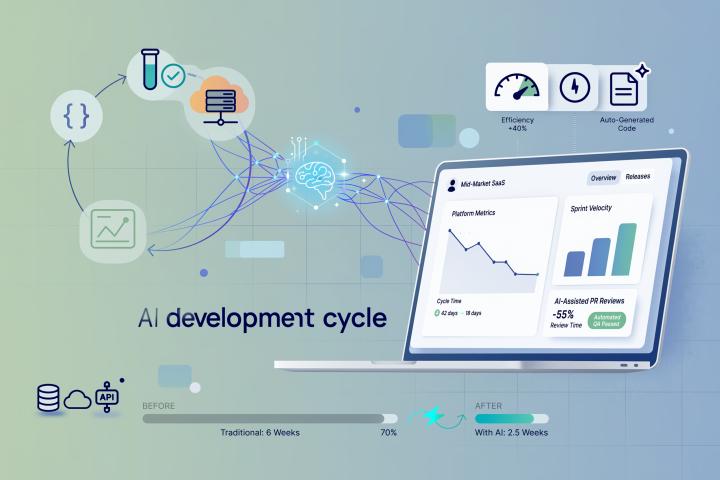
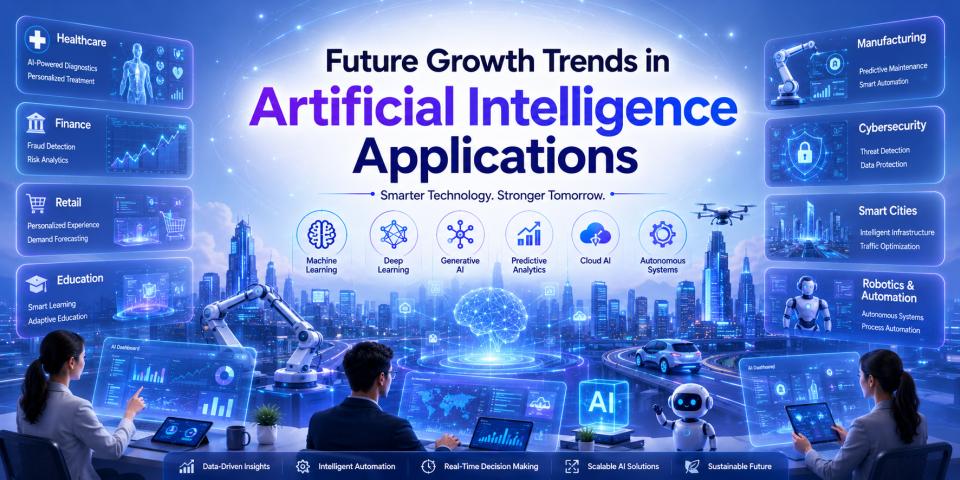
The digital age continues to introduce new technologies that influence website development. Cloud computing, artificial intelligence, automation, progressive web applications, and advanced security measures have expanded the capabilities of modern websites.
These innovations enable websites to deliver faster performance, enhanced personalization, improved reliability, and greater accessibility across platforms.
The Importance of Security and Accessibility
As websites handle larger volumes of information and user interactions, security has become a critical aspect of development. Modern practices emphasize data protection, secure communication protocols, and proactive risk management.
Accessibility has also gained prominence, encouraging developers to create websites that can be used by people with varying abilities and needs. Inclusive design principles help ensure broader access to digital content and services.
Looking Ahead
Website development continues to evolve alongside technological advancements and changing user expectations. Future developments may further integrate artificial intelligence, immersive digital experiences, enhanced automation, and innovative web technologies.
While tools and techniques continue to change, the primary goal of website development remains consistent: creating effective, accessible, and meaningful digital experiences that connect people with information, services, and opportunities.
Conclusion
The evolution of website development company in mumbai reflects the broader growth of the internet and digital technology. From simple static pages to sophisticated web applications, websites have become powerful platforms that shape how people interact, learn, communicate, and conduct business in the modern world. As technology advances, website development will continue to play a vital role in shaping the future of the digital landscape.