Introduction
Businesses today need fast and reliable ways to connect with customers. Traditional channels like email and SMS are still useful, but many customers now prefer messaging apps because they are simple and convenient. WhatsApp has become one of the most widely used communication platforms, making it an excellent channel for customer engagement.
One feature that has gained significant attention among businesses is the ability to send messages to multiple customers at once without creating a group. This helps companies share updates, offers, and important information while maintaining a personal communication experience. Whether you run a small business or a large organization, this messaging approach can help improve customer relationships and increase engagement.
What Are Broadcast Messages on WhatsApp?
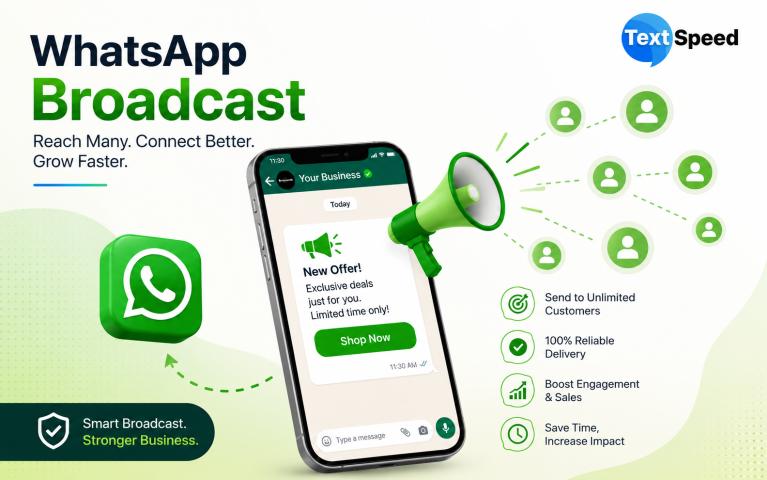
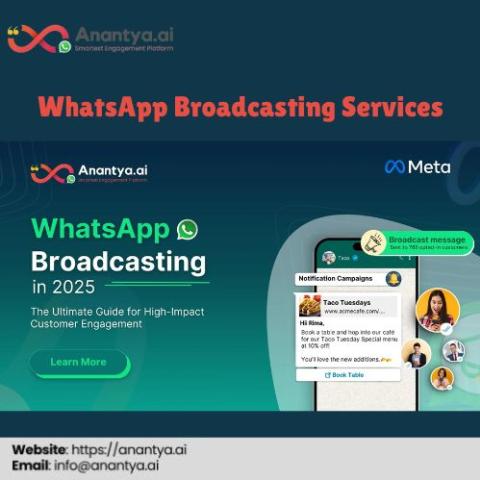
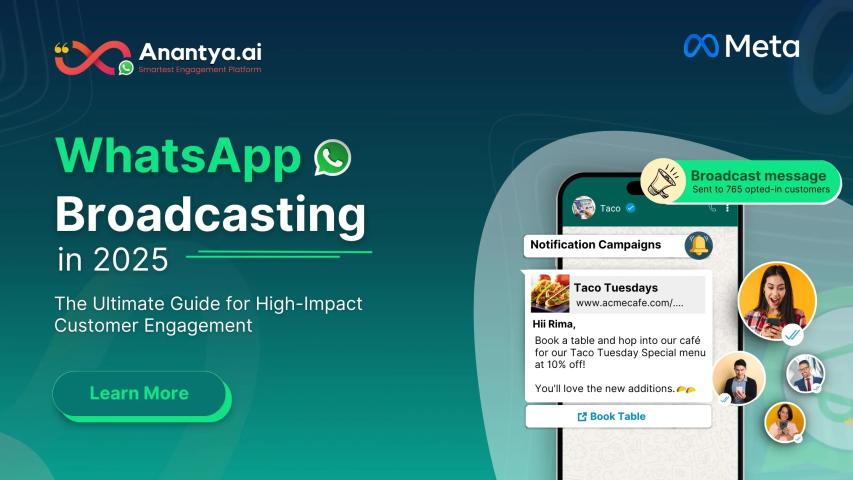
A broadcast message allows a business to send the same message to multiple contacts simultaneously. The message appears as a private chat to every recipient, which means customers receive the communication individually rather than in a public group.
This creates a more personalized experience because customers feel they are receiving direct communication from the business. They can also reply privately, making conversations more comfortable and professional. Companies often use this feature for announcements, offers, reminders, and customer updates.
How It Works
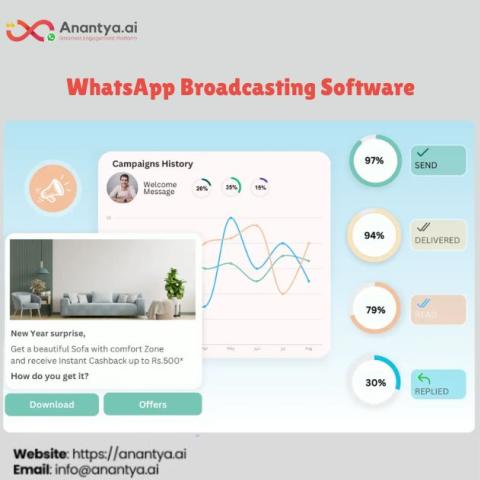
The process is simple. A business selects a list of contacts and sends one message to all of them at the same time. Every customer receives the message in their own chat window.
Unlike group conversations, recipients cannot see other people who received the same message. This helps maintain privacy and keeps the communication focused. Businesses can therefore reach many customers without compromising the user experience.
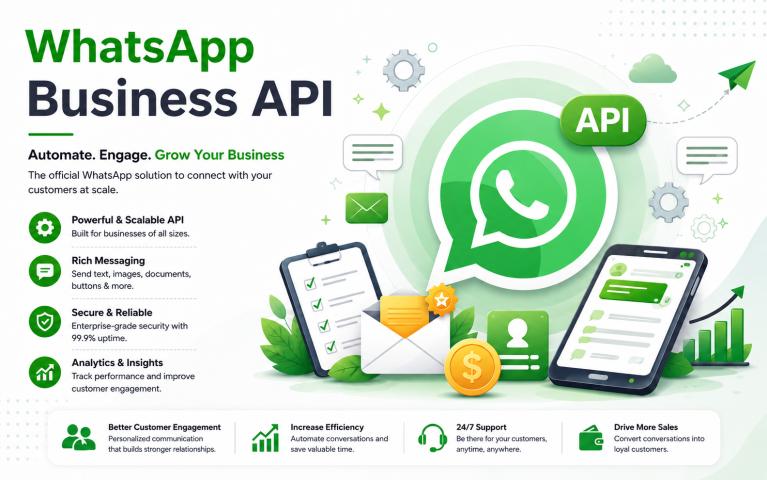
For larger campaigns, organizations often rely on the WhatsApp Business API, which allows them to send messages at scale, automate communication, and integrate messaging with their existing business systems.
Key Benefits for Businesses
One of the biggest advantages is improved customer engagement. Since people frequently check WhatsApp throughout the day, messages are more likely to be seen quickly compared to many other channels.
Another benefit is personalization. Businesses can segment audiences based on interests, purchase history, or location and send relevant content to each group. This makes communication more meaningful and increases the chances of customer interaction.
The feature is also useful for saving time. Instead of sending messages one by one, companies can communicate with hundreds or even thousands of customers through a single campaign.
Common Business Use Cases
Promotional Offers
Retail stores, restaurants, and online businesses use broadcast campaigns to inform customers about discounts, seasonal sales, and special deals. These messages help generate interest and encourage purchases.
Product Announcements
Launching a new product requires visibility. Businesses can quickly inform customers about new arrivals, features, and availability through direct messaging.
Event Notifications
Webinars, workshops, conferences, and business events can be promoted effectively through WhatsApp. Customers receive details instantly and can respond more easily.
Customer Service Updates
Many companies send order updates, delivery notifications, appointment reminders, and account-related information using this communication method. This improves customer satisfaction and reduces support queries.
WhatsApp Marketing Campaigns
Businesses running WhatsApp Marketing campaigns often combine customer segmentation with personalized messaging to improve engagement. This approach helps brands deliver relevant content instead of generic promotional messages.
Click to WhatsApp Ads
Many organizations use Click to WhatsApp Ads on Facebook and Instagram to attract potential customers. When users click the advertisement, they are directed to a WhatsApp conversation where businesses can continue the discussion and build relationships more effectively.
Best Practices
Always obtain customer consent before sending promotional messages. Permission-based communication builds trust and improves engagement rates.
Focus on sending useful and relevant content instead of constantly promoting products. Customers are more likely to stay engaged when they receive information that provides value.
It is also important to avoid excessive messaging. Sending too many updates can cause customers to lose interest or mute notifications. Maintaining a balanced communication strategy delivers better long-term results.
Conclusion
Direct messaging has become an important part of modern customer communication. It helps businesses connect with customers quickly, share updates efficiently, and build stronger relationships through personalized conversations. From promotional campaigns to service notifications, businesses across industries are using this approach to improve engagement and customer satisfaction.
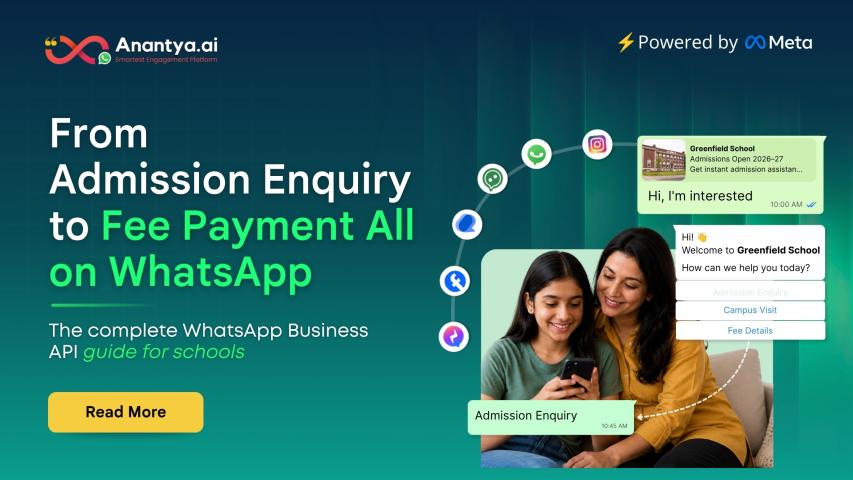
Companies looking for a professional solution can explore the services offered by Anantya ai. With advanced WhatsApp Business API capabilities, automation features, and campaign management tools, businesses can streamline communication and create better customer experiences at scale.
FAQs
What is the difference between a broadcast message and a group chat?
A broadcast message is delivered individually to each recipient, while group chats allow all members to see and interact with each other.
Can small businesses use this feature?
Yes, small businesses can use it to send offers, updates, reminders, and announcements to customers.
How does the WhatsApp Business API help?
It enables businesses to automate communication, send messages at scale, and integrate WhatsApp with business systems.
What are Click to WhatsApp Ads?
These are advertisements that open a WhatsApp chat when users click on them, helping businesses generate leads and conversations.
Why is this useful for customer engagement?
It allows businesses to communicate directly with customers, provide timely information, and build stronger relationships through personalized messaging.