1. Introduction: Breaking the Commodity Myth of Lithium Batteries
Many procurement directors and product design engineers regularly ask a fundamental question when researching power solutions: Are all lithium batteries the same? In an era where off-the-shelf components are widely available, it is easy to assume that any battery pack displaying a standard voltage rating will deliver identical performance. However, as an experienced, field-tested lithium battery manufacturer, we know that treating these complex chemical systems as simple commodities is a massive risk to product safety, field reliability, and overall system longevity.
The truth is that not all lithium batteries are created equal. The term itself covers a vast spectrum of chemical configurations, internal physical architectures, safety mechanisms, and manufacturing tolerances. When sourcing power for high-intensity commercial applications—such as agricultural spraying UAVs, heavy-duty industrial robotics, municipal energy storage, or electric vehicles—the differences between high-rate cells and low-cost consumer-grade packs become extremely apparent. Selecting an inappropriate power solution can lead to rapid capacity loss, operational safety hazards, or sudden voltage sag under load, ultimately resulting in expensive warranty claims and operational downtime.
2. The Core Chemistry: Decoupling NMC, LFP, and LCO Technologies
To understand the diversity of lithium batteries, we must examine the chemical compounds that make up the cathode. The cathode chemistry defines the nominal voltage, energy density, cycle life, thermal runaway limits, and rate performance of the cell. The three most dominant formulations in today’s industrial landscape are Lithium Nickel Manganese Cobalt Oxide (NMC), Lithium Iron Phosphate (LFP), and Lithium Cobalt Oxide (LCO).
NMC chemistry is highly regarded for its outstanding energy density and capacity-to-weight ratio. By adjusting the ratios of Nickel (which provides high capacity), Manganese (which stabilizes the internal structure), and Cobalt (which enhances discharge rates), manufacturers can tune cells for specific load profiles. NMC is the chemistry of choice for mobile machinery, electric motorcycles, and drone platforms where minimizing weight is critical. According to resources at Battery University, the high specific energy of NMC cells enables them to store significant energy in a small footprint, though they require careful thermal management because their thermal runaway threshold sits at approximately 210 degrees Celsius.
In our factory, we design custom battery modules using NMC cells, but we also utilize a high-rate battery cell line for systems requiring massive current draw. For future-generation projects, our R&D department is monitoring the development of solid-state NMC battery systems, though liquid-electrolyte models remain the most viable option for current volume deployments.
LFP chemistry represents the gold standard for safety and cycle life. Because LFP uses a robust olivine crystal structure, it exhibits high thermal stability and resists oxygen release under abuse conditions. While LFP has a lower nominal voltage (3.2V compared to NMC's 3.6V/3.7V) and lower volumetric energy density, it can easily survive 3,000 to 5,000 charge cycles at 100% Depth of Discharge. This makes LFP cells the preferred choice for stationary energy storage systems, backup power supplies, and heavy utility vehicles.
At our manufacturing facility, we specialize in high-quality lithium cells, including low-temperature and high-temperature LFP pouch cells that operate reliably in environments ranging from -40 degrees Celsius to +60 degrees Celsius. These wide-temperature lithium cells are critical for infrastructure projects deployed in extreme climates where standard cells would quickly freeze or overheat.
LCO chemistry is primarily used in small consumer electronics like smartphones and digital cameras due to its high density in small volumes. However, LCO is not suitable for heavy industrial applications. Its lower thermal runaway threshold and poor rate capabilities make it dangerous to deploy in high-drain systems. In the industrial and commercial sectors, buyers must choose between LFP and NMC depending on whether their application prioritizes maximum safety and cycle life or minimum weight and high discharge rates.
3. Cell Form Factors: Comparing Cylindrical, Prismatic, and Lithium Pouch Cells
While the chemical formula determines the potential performance, the physical cell structure governs how heat is dissipated, how much pressure the cell can withstand, and how efficiently cells can be packaged. The three main form factors used in modern applications are cylindrical, prismatic, and pouch cells.
Cylindrical cells, such as the widely used 18650, 21700, and 4680 formats, are built by winding the cathode, anode, and separator into a tight roll inside a rigid steel can. This steel can provides excellent mechanical protection and prevents the cell from swelling under gas pressure. However, cylindrical cells suffer from physical packaging inefficiencies, as the spaces between the cylinders create dead air zones in the module. Furthermore, extracting heat from the core of a cylindrical cell can be difficult, which limits its ability to handle continuous, high-current draws without cooling.
Prismatic cells feature a layered or wound electrode stack inside a rectangular aluminum or steel case. This shape allows them to pack together with almost zero wasted space, making them highly popular for large energy storage systems and heavy commercial vehicles. However, prismatic cells are heavy, and the large surface area of their flat sides makes them susceptible to swelling. This swelling requires heavy mechanical bracing structures within the battery compartment to maintain uniform pressure across the electrodes.
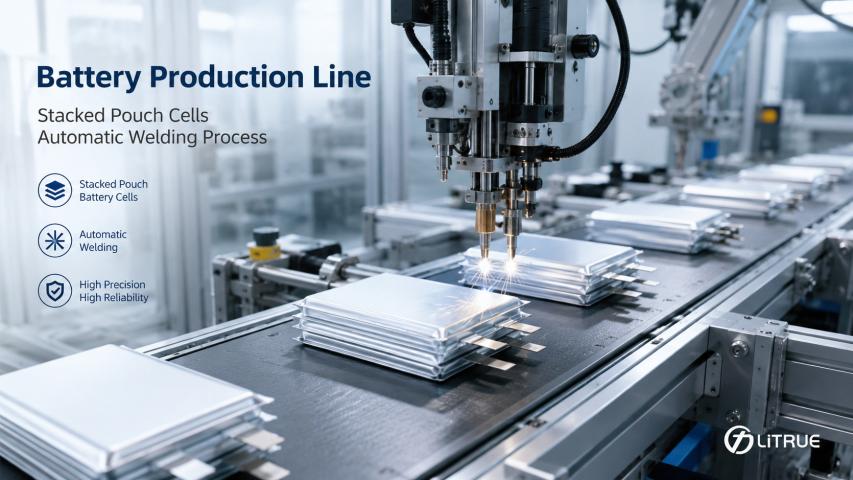
Pouch cells represent the most lightweight and space-efficient form factor. Pouch cells eliminate the heavy metal casing in favor of an aluminum-laminated polymer pouch. This flexible packaging reduces weight by up to 25% compared to metal-canned cells of equivalent capacity. The stacked internal electrode design of pouch cells ensures low internal resistance and outstanding heat dissipation, as the flat surfaces are easy to cool. This structure makes high-rate LFP pouch cells and NMC pouch cells the perfect choice for aerospace, aviation, and high- performance electric powertrains. However, they are sensitive to punctures and require a carefully designed enclosure to support the cells and manage swelling over their operational lifetime.
Why High-Rate LFP Cells and Lithium Pouch Cells Dominate Lightweight Applications
For industrial tools, drones, and micro-mobility products, integrating high-rate lithium cells is essential. By utilizing high-rate LFP cells in a pouch format, engineers can achieve the lightweight benefits of lithium pouch cells while retaining the robust life and thermal safety of LFP chemistry. Our automated assembly line manufactures these specialized pouch configurations, utilizing ultrasonic welding to connect the multi-layered tabs with minimal electrical resistance. This attention to mechanical detail prevents hot spots from developing within the pack during high-drain operations.
4. Case Study: The UAV-JP330L High-Performance Drone Battery System
To see how advanced chemistry and physical cell engineering come together in a real-world B2B application, let us examine the technical parameters of our UAV-JP330L smart drone battery. Industrial multi-rotor drones carrying payloads up to 50kg place extreme demands on their power systems, requiring high voltage, sustained current delivery, and low weight.
The UAV-JP330L is a specialized UAV lithium battery pack featuring a 1P18S NMC configuration with a nominal voltage of 66.6V and a capacity of 30Ah. It delivers 1.998 kWh of nominal energy, but its true value is its ability to discharge enormous amounts of current without damage. The pack supports a maximum continuous discharge current of 240A and a peak discharge current of 300A for 30 seconds at 25 degrees Celsius. This massive current capability ensures that heavy industrial drones can maintain control and lift during rapid climbs and wind- correction maneuvers.
From an engineering perspective, this drone battery has been designed to survive harsh operating conditions. It features an IP65-rated dustproof and waterproof enclosure, integrated CAN bus communication for real-time telemetry, and is rated to operate at altitudes up to 5,000 meters. The discharge temperature range extends from - 40 degrees Celsius to +60 degrees Celsius, allowing utility teams to conduct inspections in extreme climates. This case study demonstrates that industrial lithium power is not just about raw capacity; it is about engineering a system that can deliver power reliably under the most challenging physical conditions.
Technical Breakdown of the UAV Lithium Battery Pack
Commercial drone platforms require a custom UAV battery rather than standard mass-produced packs. The UAV- JP330L is a prime example of how custom engineering meets the unique load profile of industrial flight. In drone operations, selecting a high-performance drone battery is the difference between a successful mission and a catastrophic crash. We utilize high-rate lithium cells that are sorted by automatic grading machines to ensure that internal resistance variances between cells are kept under 1.5 milliohms, preventing unbalanced cell degradation and premature pack failure.
5. Pros and Cons of Industrial Lithium Batteries
Evaluating lithium batteries for industrial deployment requires a clear understanding of their performance advantages and practical limitations. Below is an objective breakdown of the pros and cons of modern lithium-based power systems.
Advantages:
• High Energy Density: Lithium cells pack significantly more energy per unit of weight and volume than lead- acid or nickel-cadmium batteries, allowing B2B buyers to design smaller, lighter, and more efficient products.
• Fast Recharge Times: Industrial lithium cells support high-current charging, reducing charging times from hours to minutes, which minimizes equipment downtime in warehouse logistics and robotics.
• Extended Cycle Life: Premium LFP and NMC cells offer thousands of charge-discharge cycles before dropping to 80% capacity, lowering the total cost of ownership over the lifetime of the equipment.
• Low Maintenance: Unlike lead-acid systems, lithium systems do not require water top-offs or acid-venting infrastructure, reducing facility maintenance costs and complexity.
Disadvantages:
• Higher Initial Investment: The upfront purchase price of a lithium battery pack is higher than traditional battery chemistries, requiring a larger initial capital outlay.
• Complex Management Requirements: Lithium chemistry requires a highly reliable Battery Management System (BMS) to monitor cell voltages and temperatures, preventing overcharge and over-discharge.
• Transport Regulations: Due to safety guidelines, large lithium packs must undergo rigorous testing standards, such as UN38.3, to be legally transported by air or sea cargo.
6. Alternative Energy Comparison: Lithium vs. Lead-Acid vs. Emerging Solid-State
When selecting a power source, B2B buyers should compare current lithium technologies against lead-acid batteries and emerging solid-state battery designs.
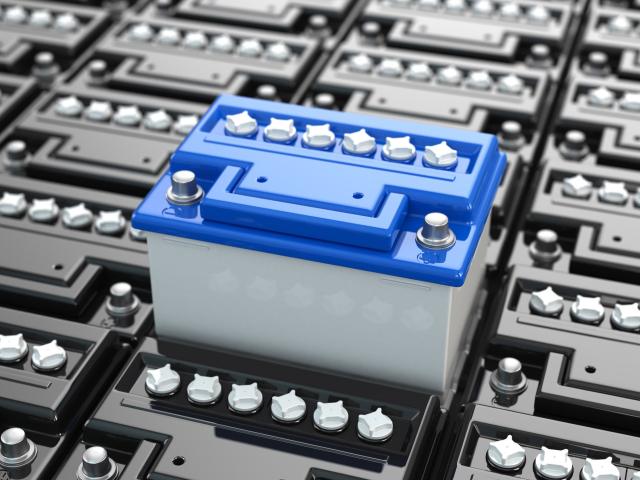
Lead-acid batteries remain the standard for low-cost, low-intensity applications like golf carts and static backup power. While lead-acid batteries are cheap and easy to recycle, they are extremely heavy, lose up to 50% of their usable capacity at cold temperatures, and have a short life of 300 to 500 cycles. For any application requiring rapid charge times or weight efficiency, lead-acid is not a viable option.
Solid-state batteries replace the liquid electrolyte found in standard lithium batteries with a solid conductive material. This change promises to eliminate fire risks, dramatically increase energy density, and speed up charge times. However, solid-state batteries are currently difficult to manufacture at scale and remain highly expensive. For the next decade, liquid-electrolyte lithium batteries—specifically LFP and NMC pouch cells—will remain the most cost-effective and practical choice for high-performance industrial applications.
7. The Crucial Role of Custom Battery Packs in B2B Applications
For simple electronic products, off-the-shelf lithium batteries can be sufficient. However, for specialized commercial machinery, standard battery packs often fail to meet the required electrical, physical, and environmental standards. This is where partnering with a professional custom battery packs manufacturer is essential.
Every industrial machine has a unique power draw profile, spatial envelope, and thermal operating range. A custom battery pack allows engineers to select the exact chemistry and cell form factor required for their performance targets. Furthermore, custom packs incorporate custom-programmed Battery Management Systems (BMS) that communicate with the machine's main controller using protocols like CAN, RS485, or SMBus. This communication ensures that the machine can monitor battery health, balance cell voltages, and implement safety shutdowns before a failure occurs. Working with an OEM supplier also guarantees compliance with international safety certifications, such as UL 2054, CE, and RoHS, which are crucial for product liability and international distribution.
Designing a Custom Lithium Battery for OEM Integration
When an engineering team designs an E-Motorcycle battery or a warehouse automated guided vehicle (AGV), they cannot rely on standard packs. They need an OEM lithium battery that matches their exact mechanical and electrical constraints. Developing a custom lithium battery involves analyzing the continuous and pulse current requirements, modeling the thermal footprint under peak load, and fabricating custom enclosures that isolate cells from mechanical shock and vibration. In our facility, we conduct finite element analysis (FEA) to simulate how custom battery packs behave under impact, ensuring they meet the highest durability standards.
Finding the Right Lithium Battery Supplier for Wholesale UAV Battery Projects
Whether you need a single prototype for a proof-of-concept design or a long-term contract for a wholesale UAV battery shipment, selecting the right partner is critical. A reliable lithium battery supplier must have the testing infrastructure to validate cells under simulated extreme altitudes and vibration profiles. At LiTrue, we maintain full traceability for every high-rate battery cell we manufacture. Our clients receive detailed testing logs containing cell capacity, internal resistance, and voltage curve data, ensuring that every batch delivered meets the specified tolerances.
If you are developing a new drone, a high-speed electric motorcycle, or an outdoor energy storage unit, collaborating with a dedicated lithium battery supplier ensures that your product has a reliable power system. Our engineering team at LiTrue is ready to assist you in designing a customized solution that meets your exact technical specifications.
8. FAQs for B2B Procurement and Engineering
Question: Are NMC and LFP batteries interchangeable in industrial equipment?
Answer: No. NMC and LFP batteries have different nominal cell voltages (3.6V vs 3.2V) and charge profiles. Replacing one with the other requires reconfiguring the system's battery charger, safety limits, and motor controller, even if the physical pack dimensions are similar.
Question: What testing standards should B2B buyers look for to ensure battery safety?
Answer: For safety and legal distribution, buyers should verify that the manufacturer has certified the packs under UN38.3 for transport safety, UL 2054 for cell safety, and CE/RoHS for environmental and electromagnetic compliance. Authoritative testing guidelines can be referenced through Underwriters Laboratories.
Question: How does temperature affect the discharge rate of lithium batteries?
Answer: Cold temperatures increase the internal resistance of the cells, causing voltage sag and reducing the usable capacity. While standard cells lose significant performance below 0 degrees Celsius, specialized low- temperature LFP pouch cells can maintain reliable discharge down to -40 degrees Celsius.
Question: Why are pouch cells preferred over cylindrical cells for drone applications?
Answer: Pouch cells lack a heavy metal casing, making them significantly lighter than cylindrical cells of the same capacity. This weight reduction directly translates to longer flight times and larger payload capacities for commercial drone platforms.