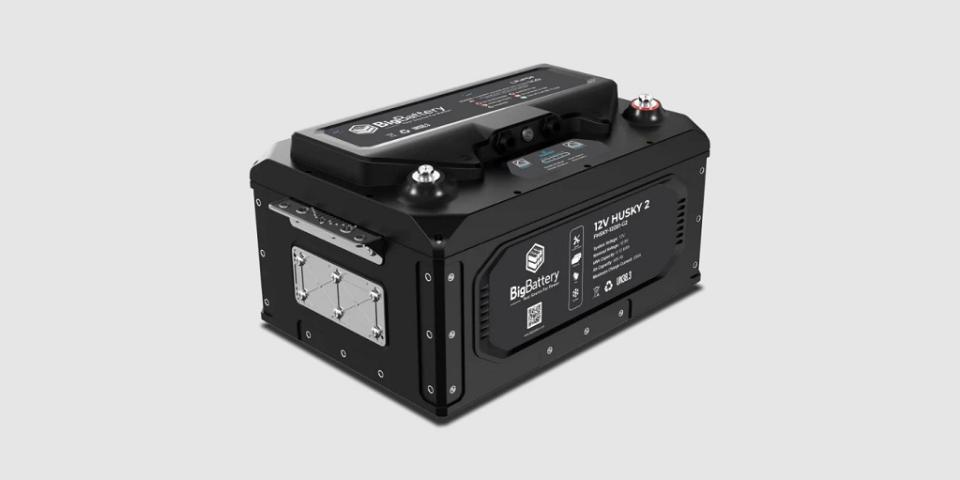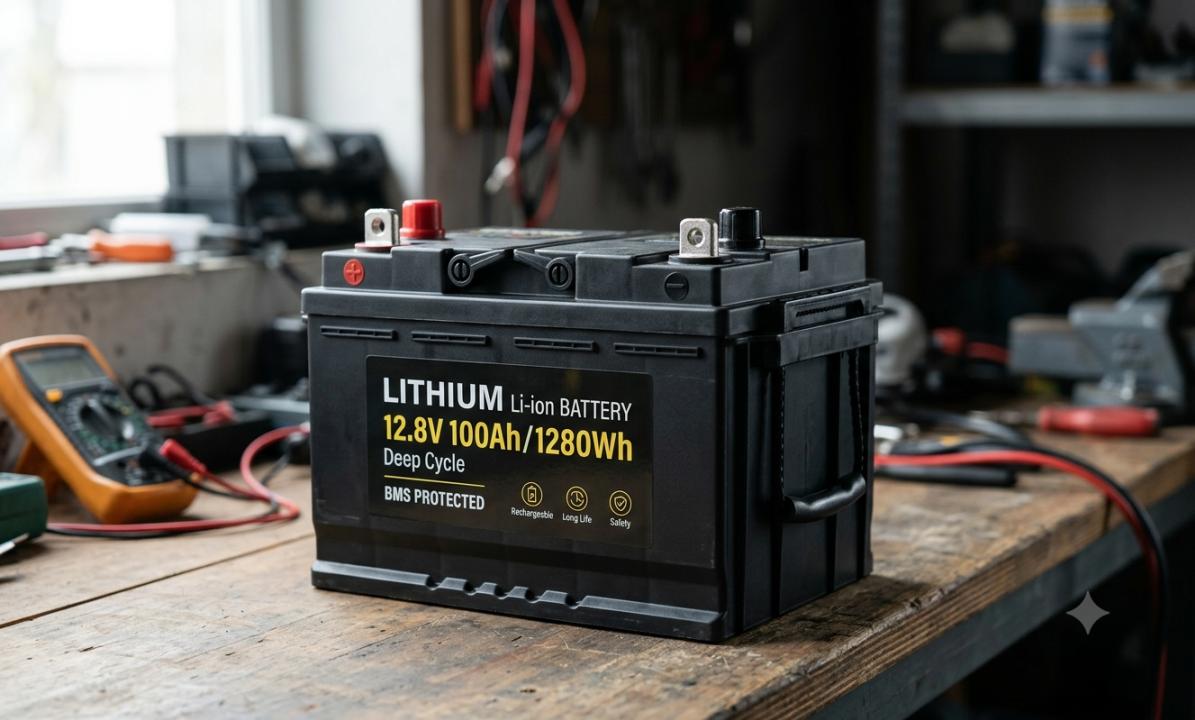
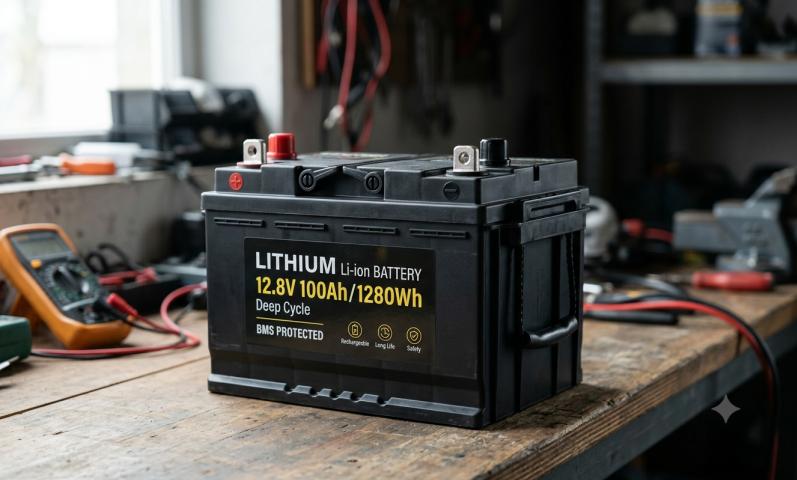
Choosing the right lithium battery can feel overwhelming. There are so many options on the market today, and not all of them are equal in quality or performance. Whether you are looking for the best lithium battery for caravan trips or a reliable power source for your home setup, knowing what to look for will save you time, money, and frustration.
1. Battery Capacity (Ah Rating)
Capacity tells you how much energy a battery can store. It is measured in ampere-hours (Ah).
A higher Ah rating means the battery can power your devices for longer. For example, a 100Ah lithium battery for caravan use can run a refrigerator, lights, and a fan for a full day without needing a recharge.
2. Voltage Compatibility
Most lithium batteries come in 12V, 24V, or 48V configurations. You need to match the battery voltage to your system.
For most caravans, RVs, and small off-grid setups, a 12V system is the standard. If you are running a larger solar or inverter setup, a 24V or 48V system may be more efficient.
3. Battery Chemistry
Not all lithium batteries use the same chemistry. The two most common types are:
LiFePO4 (Lithium Iron Phosphate): This is the most popular choice for caravan and off-grid use. It is safe, stable, and has a long cycle life. It does not overheat easily and is considered one of the most reliable options available.
NMC (Nickel Manganese Cobalt): This type offers a higher energy density but can be less stable at high temperatures. It is more common in electric vehicles.
4. Cycle Life
A cycle is one full charge and discharge of the battery. Cycle life tells you how many times you can do this before the battery starts losing significant capacity.
Cheap batteries may offer 500 to 800 cycles. A quality LiFePO4 battery can provide 2,000 to 5,000 cycles or more. This is a major advantage over lead-acid batteries, which typically last only 300 to 500 cycles.
5. Depth of Discharge (DoD)
Depth of discharge refers to how much of the battery’s capacity you can use before recharging.
Lead-acid batteries should not be discharged below 50%, or their lifespan shortens quickly. Lithium batteries, especially LiFePO4, can safely discharge to 80% or even 100% in many cases.
6. Built-In Battery Management System (BMS)
A Battery Management System, or BMS, is the brain of the battery. It monitors and protects the battery from issues like overcharging, over-discharging, short circuits, and overheating.
Always choose a battery that includes a built-in BMS. Without one, your battery is at risk of damage and even safety hazards. A good BMS also helps extend the overall life of the battery.
7. Weight and Size
One of the biggest advantages of lithium batteries is their compact size and low weight compared to lead-acid alternatives.
A 100Ah lithium battery typically weighs around 10 to 13 kg. A comparable lead-acid battery can weigh 25 to 30 kg. This weight saving is important for caravans and motorhomes where every kilogram matters.
8. Charge and Discharge Rate (C-Rating)
The C-rating tells you how fast a battery can be charged or discharged.
A 1C rating on a 100Ah battery means it can deliver 100 amps continuously. If you have appliances that draw high current, you need a battery with a high enough discharge rating to handle that load.
9. Temperature Range
Lithium batteries have specific operating temperature ranges. Most work well between 0°C and 45°C for charging and discharging. However, charging in very cold temperatures (below 0°C) can damage the battery.
10. Certifications and Safety Standards
Safety certifications are a sign that the battery has been independently tested and meets quality standards.
Look for certifications such as UN38.3 (required for transport), CE marking, and RoHS compliance. These indicate the battery has passed recognised safety tests.
11. Brand Reputation and Warranty
The battery market has many low-cost imports with little to no after-sales support. It is worth choosing a brand with a proven track record and strong customer reviews.
A reputable manufacturer will offer a warranty of at least two to three years. Some premium brands offer five-year or longer warranties on their lithium batteries.
Final Thoughts
Buying a lithium battery is a significant investment. Taking the time to understand these key factors will help you choose a battery that performs well, lasts long, and suits your specific needs.
For caravan owners, the right lithium battery can transform your travel experience, providing reliable off-grid power for years to come. Focus on quality chemistry, adequate capacity, a robust BMS, and a trusted brand, and you will be well equipped for any adventure ahead.
Original Source: https://ecomotion.ae/key-factors-to-consider-when-buying-a-lithium-battery/