Quick Summary: Selling acoustic sheet material requires more than understanding product specifications. Dealers must know how different materials perform, where they are best used, and how to guide customers toward the right solution. This guide highlights the essential knowledge every dealer should have to build trust, increase sales, and deliver better customer experiences.
Introduction
The demand for noise control solutions is growing across residential, commercial, industrial, educational, and healthcare sectors. As architects, interior designers, builders, and facility managers place greater emphasis on acoustic comfort, dealers play a vital role in helping customers select the right products.
However, many buying decisions are influenced by the advice customers receive at the point of sale. A dealer who understands acoustic sheet material beyond basic pricing is far more likely to earn repeat business and long-term customer trust.
Whether you're supplying contractors, retailers, or end users, here are the key things every dealer should know.
1. Understand the Difference between Soundproofing and Sound Absorption
One of the biggest misconceptions among buyers is that all acoustic products serve the same purpose.
Be prepared to explain the difference:
- Soundproofing helps reduce sound transmission between spaces.
- Sound absorption helps minimise echo and reverberation within a room.
Helping customers understand this distinction ensures they purchase the right acoustic sheet material for their project.
2. Know the Different Types of Acoustic Sheet Material
Not all acoustic sheets are designed for the same application.
Depending on the project, customers may require:
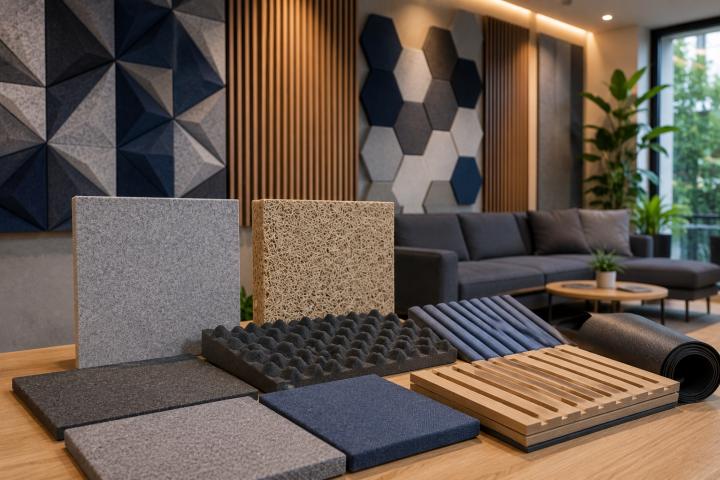
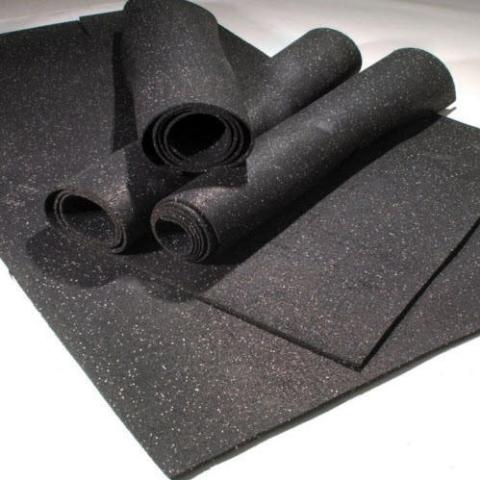
- Mass loaded vinyl sheets
- Polyester acoustic sheets
- Fiberglass acoustic sheets
- Foam-based acoustic sheets
- Composite acoustic materials
Understanding the strengths of each option allows you to recommend products with confidence.
3. Ask about the Application before Recommending a Product
Before suggesting a solution, ask questions such as:
- Is the project residential or commercial?
- Is the goal sound insulation or echo reduction?
- Which surfaces will be treated?
- Is moisture resistance required?
- Are there aesthetic considerations?
The right recommendation always starts with understanding the customer's needs.
4. Learn Basic Acoustic Performance Ratings
Customers may ask about product performance.
Familiarise yourself with commonly referenced ratings and specifications, including:
- Noise reduction performance
- Sound insulation capabilities
- Material density
- Thickness
- Fire performance (where applicable)
- Installation recommendations
Being able to explain these factors increases customer confidence.
5. Stay Updated with Industry Trends
Modern construction increasingly prioritises acoustic comfort.
Current trends include:
- Sustainable acoustic materials
- Lightweight installation systems
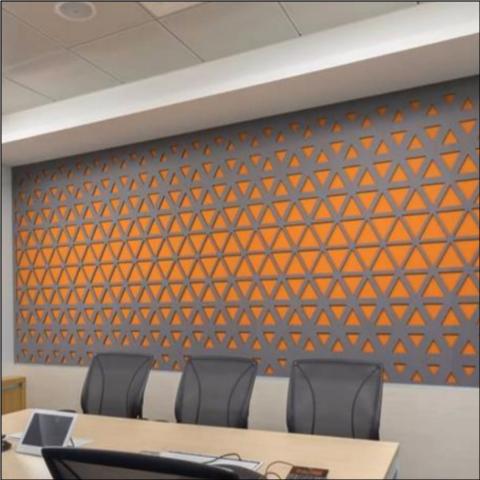
- Decorative acoustic finishes
- Green building requirements
- High-performance commercial interiors
Keeping up with market trends helps dealers offer relevant solutions.
Read to know more about acoustic sheet material here: How Acoustic Sheet Material Influences Human Behavior in Interior Spaces
6. Understand Installation Basics
Even if you don't install products yourself, understanding installation methods is valuable.
Customers often ask about:
- Surface preparation
- Adhesives
- Mechanical fixing methods
- Maintenance
- Product compatibility
Basic installation knowledge helps prevent common purchasing mistakes.
7. Educate Customers Instead of Just Selling
Customers appreciate dealers who provide guidance rather than simply promoting products.
Explain:
How the material works
- Expected performance
- Suitable applications
- Maintenance requirements
- Product limitations
An informed customer is more likely to become a repeat customer.
8. Keep Product Samples Ready
Physical samples help customers compare:
- Surface finish
- Thickness
- Flexibility
- Colour
- Material texture
Samples also make product demonstrations more effective.
9. Build Relationships with Architects and Contractors
Many purchasing decisions begin long before construction starts.
Develop relationships with:
- Architects
- Interior designers
- Builders
- Acoustic consultants
- Contractors
- Facility managers
These professionals frequently recommend products to project owners.
10. Partner with Reliable Manufacturers
Even the best sales approach cannot compensate for inconsistent product quality.
Choose suppliers that offer:
- Consistent manufacturing standards
- Technical support
- Product availability
- Quality assurance
- Reliable delivery schedules
Strong supplier partnerships strengthen your business reputation.
Common Mistakes Dealers should Avoid
Avoid these common pitfalls:
Recommending products without understanding the application
- Focusing only on price
- Ignoring technical specifications
- Overpromising performance
- Failing to educate customers
- Stocking limited product options
- Providing honest, knowledgeable advice builds long-term credibility.
Why Product Knowledge Matters
Dealers who understand acoustic sheet material thoroughly are better positioned to:
- Increase customer satisfaction
- Improve repeat business
- Build industry credibility
- Reduce product returns
- Strengthen client relationships
Knowledge becomes a competitive advantage.
Conclusion
Today's customers expect more than competitive pricing. They want expert guidance, reliable products, and solutions that genuinely address their acoustic challenges.
By understanding applications, installation methods, performance characteristics, and industry trends, dealers can confidently recommend the right acoustic sheet material for every project. Businesses that invest in product knowledge not only improve customer satisfaction but also establish themselves as trusted partners in the growing acoustics industry.
Partner with Tranquil Global
At Tranquil Global, we supply premium-quality acoustic sheet material designed to meet the needs of residential, commercial, educational, healthcare, and industrial projects. With consistent product quality, expert technical support, and a wide range of innovative acoustic solutions, we help dealers, architects, and contractors deliver exceptional sound control for every application.
FAQs
What is acoustic sheet material used for?
Acoustic sheet material is used to improve sound performance by reducing noise transmission, controlling echo, or enhancing acoustic comfort in various environments.
How do I choose the right acoustic sheet material?
The choice depends on the type of noise, project requirements, installation location, and desired acoustic performance.
Is acoustic sheet material suitable for homes?
Yes. It is commonly used in homes, offices, schools, hospitals, studios, theatres, and commercial buildings.
Why choose Tranquil Global?
Tranquil Global provides high-quality acoustic sheet material backed by technical expertise, dependable supply, and innovative acoustic solutions that support successful projects across multiple industries.