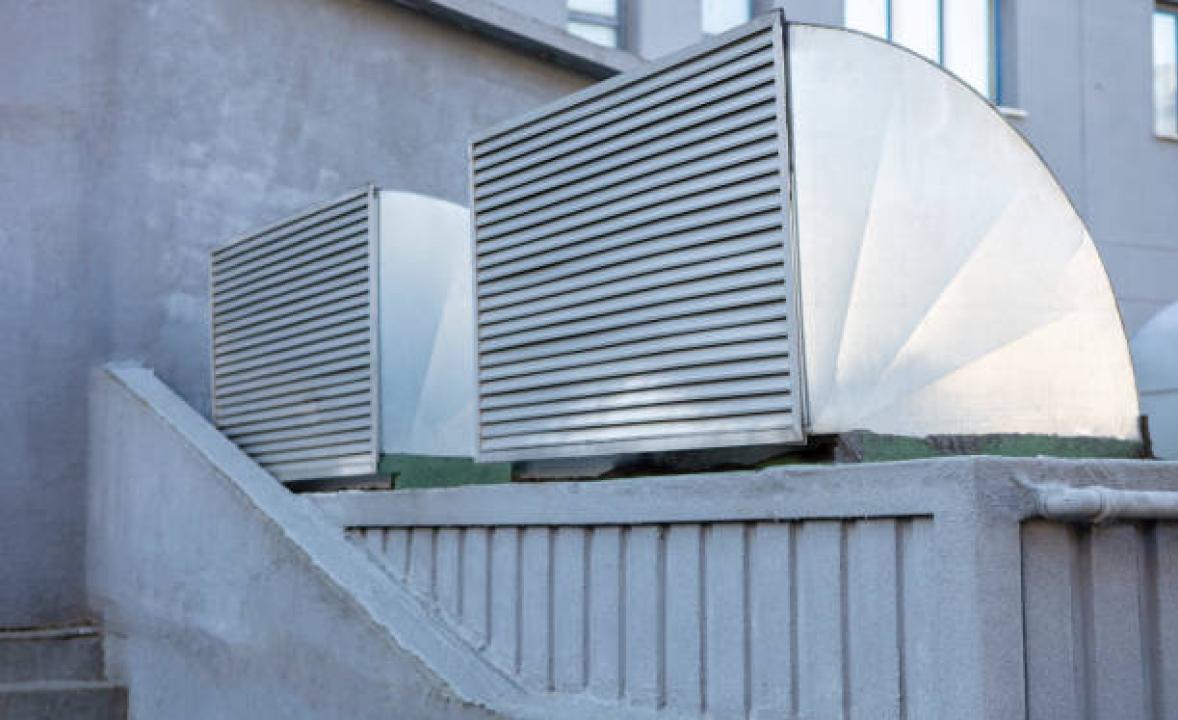
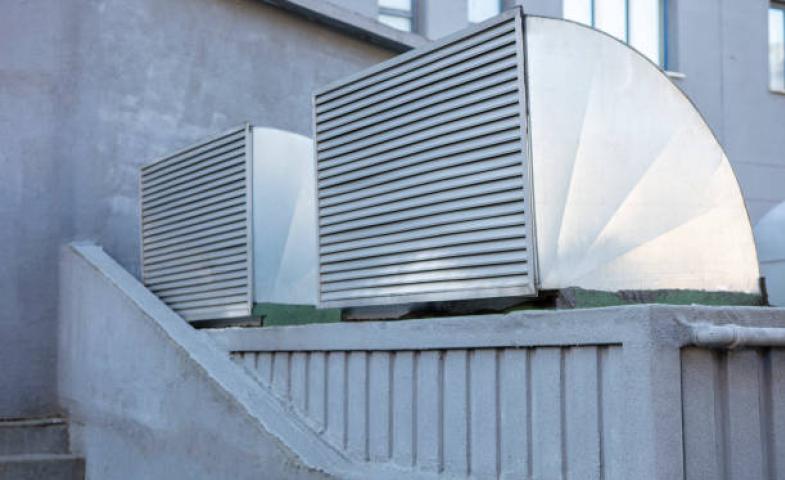
Every commercial building depends on a reliable ventilation system to maintain indoor air quality, regulate temperature, and support a comfortable environment for employees, customers, and visitors. Whether it is an office, warehouse, restaurant, retail store, healthcare facility, or industrial plant, the right Commercial Vents play a vital role in ensuring fresh air circulation while helping HVAC systems operate efficiently.
Modern commercial ventilation is about much more than moving air. It helps remove pollutants, control humidity, reduce odors, and create healthier indoor spaces that meet building codes and industry standards. Investing in quality ventilation solutions can improve occupant comfort, lower operating costs, and extend the lifespan of HVAC equipment.
What Are Commercial Vents?
Commercial Vents are specially designed ventilation components used in business and industrial buildings to regulate airflow throughout a property. They allow fresh air to enter while exhausting stale, contaminated, or humid air from the building.
Unlike residential ventilation products, commercial vents are engineered to handle higher air volumes, larger spaces, and more demanding operating conditions. They are commonly integrated into HVAC systems to ensure balanced airflow and consistent indoor climate control.
These vents are manufactured in various sizes, materials, and configurations to suit different industries and building layouts.
Why Proper Ventilation Is Essential
Commercial buildings often accommodate dozens or even hundreds of occupants every day. Without proper ventilation, indoor air can quickly become polluted with dust, allergens, volatile organic compounds (VOCs), moisture, and airborne contaminants.
An effective ventilation system provides several important benefits:
Improves indoor air quality.
Maintains comfortable temperatures.
Controls humidity levels.
Removes odors and airborne contaminants.
Reduces the risk of mold growth.
Supports employee productivity.
Enhances customer comfort.
Helps comply with local building regulations.
Improves HVAC efficiency.
Reduces long-term maintenance costs.
Good ventilation creates a healthier environment while protecting the building itself from excess moisture and poor air circulation.
Types of Commercial Vents
Commercial buildings use several different vent types depending on their ventilation requirements.
Supply Vents
Supply vents distribute conditioned air from the HVAC system into occupied spaces. They ensure fresh, temperature-controlled air reaches every room efficiently.
Return Air Vents
Return vents pull indoor air back into the HVAC system where it can be filtered, heated, or cooled before being redistributed.
Exhaust Vents
Exhaust vents remove stale air, smoke, odors, humidity, and contaminants from kitchens, restrooms, laboratories, and manufacturing facilities.
Roof Vents
Roof vents provide natural or mechanical ventilation through the roof structure, helping remove hot air that accumulates near ceilings.
Wall Vents
Wall-mounted vents improve airflow between indoor and outdoor spaces while maintaining building efficiency.
Louvered Vents
Louvered vents are designed to allow airflow while preventing rain, debris, birds, and insects from entering the ventilation system.
Industries That Use Commercial Vents
Nearly every commercial sector relies on proper ventilation.
Office Buildings
Modern offices require balanced airflow to maintain employee comfort and improve workplace productivity.
Restaurants
Commercial kitchens generate significant heat, grease, and smoke that require powerful exhaust ventilation systems.
Retail Stores
Proper ventilation keeps customers comfortable while protecting inventory from excessive humidity.
Warehouses
Large warehouse facilities benefit from continuous airflow that reduces heat buildup and improves working conditions.
Healthcare Facilities
Hospitals and medical clinics require advanced ventilation systems to maintain clean indoor environments and reduce airborne contamination.
Manufacturing Plants
Industrial facilities often use specialized ventilation to remove dust, fumes, chemicals, and excessive heat generated during production.
Materials Used in Commercial Vent Systems
Commercial ventilation components are manufactured using durable materials capable of handling demanding environments.
Common materials include:
Galvanized steel
Stainless steel
Aluminum
Powder-coated steel
Heavy-duty plastic composites
The material selection depends on the building's environment, humidity levels, exposure to chemicals, and maintenance requirements.
Improving Energy Efficiency
Energy efficiency has become a major priority for commercial property owners. Well-designed ventilation systems help reduce unnecessary energy consumption by optimizing airflow and reducing strain on heating and cooling equipment.
Modern ventilation systems often include:
Variable air volume controls
Energy recovery ventilators
Smart airflow monitoring
Programmable ventilation controls
High-efficiency filtration systems
These technologies help businesses reduce utility costs while maintaining excellent indoor air quality.
Maintenance Tips for Commercial Vents
Even the highest-quality ventilation systems require regular maintenance to perform effectively.
Routine maintenance should include inspecting vents for dust accumulation, replacing air filters according to manufacturer recommendations, cleaning ductwork when necessary, checking dampers for proper operation, and ensuring that exhaust systems remain free of obstructions.
Facility managers should also inspect exterior vent covers for damage caused by weather, debris, or wildlife. Preventive maintenance helps avoid costly repairs while extending the life of the ventilation system.
Choosing the Right Commercial Ventilation Solution
Selecting the appropriate ventilation system depends on several factors.
Building owners should consider the size of the property, occupancy levels, HVAC capacity, local climate, indoor air quality requirements, energy efficiency goals, and applicable building codes. Working with experienced HVAC professionals ensures the system is properly designed and installed for long-term performance.
High-quality Commercial Vents should provide durable construction, corrosion resistance, efficient airflow, and compatibility with the building's existing HVAC infrastructure.
Future Trends in Commercial Ventilation
The commercial ventilation industry continues to evolve with advances in technology and sustainability. Smart building systems now monitor air quality in real time and automatically adjust ventilation based on occupancy levels and environmental conditions.
Energy-efficient ventilation technologies, touchless building management systems, advanced air filtration, and environmentally friendly materials are becoming standard features in modern commercial buildings. These innovations help businesses improve indoor comfort while reducing operating expenses and environmental impact.
Conclusion
Proper ventilation is an essential component of every commercial building. From improving indoor air quality and employee comfort to supporting energy efficiency and regulatory compliance, Commercial Vents play a critical role in maintaining safe and productive environments. Whether constructing a new facility or upgrading an existing HVAC system, investing in high-quality commercial ventilation solutions delivers long-term benefits for building owners, employees, and customers alike. By selecting durable ventilation products and following regular maintenance practices, businesses can ensure reliable airflow and healthier indoor