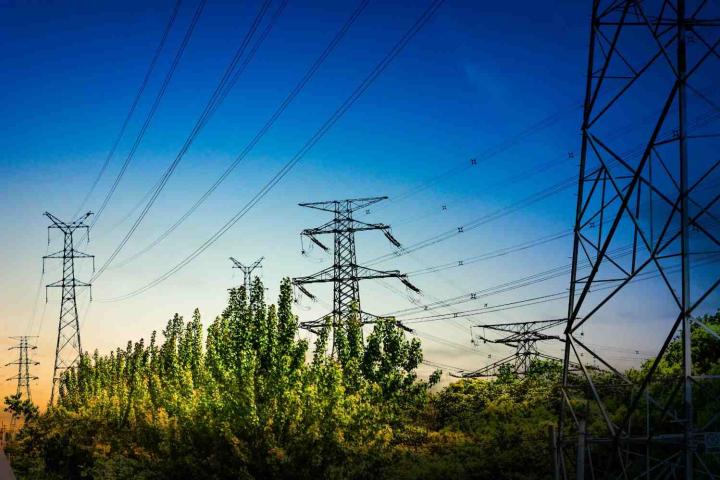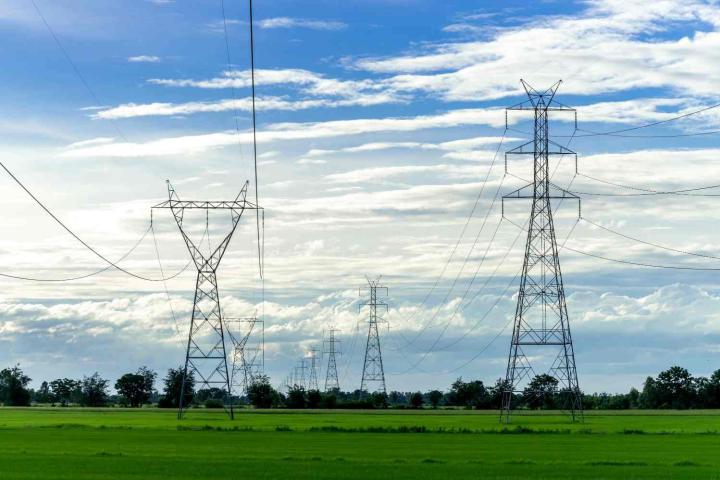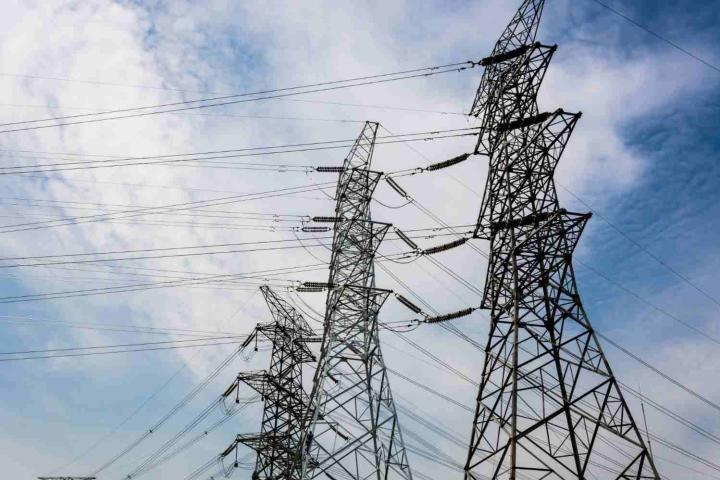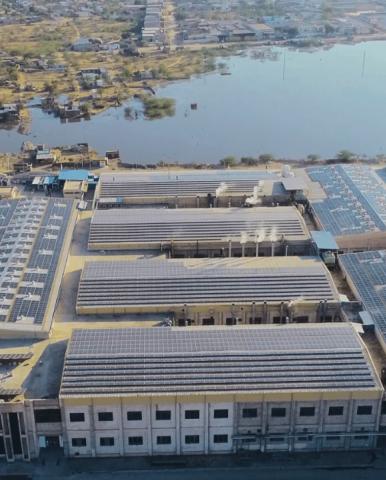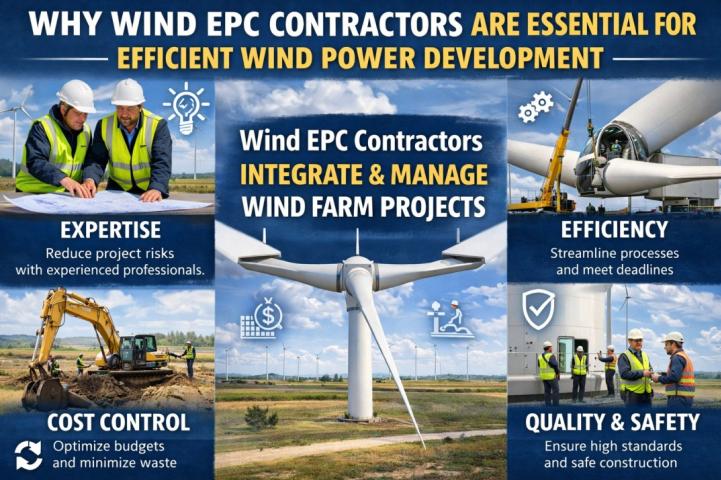

Large infrastructure projects are the foundation of economic growth, industrial expansion, and sustainable development. Whether developing utility-scale solar parks, transmission networks, substations, manufacturing facilities, or power distribution systems, successful project execution depends on selecting the right Engineering, Procurement, and Construction (EPC) partner.
Infrastructure projects today are more complex than ever. They involve multiple engineering disciplines, strict regulatory requirements, advanced technologies, sophisticated electrical systems, and demanding project timelines. Managing these challenges requires an EPC company with proven technical expertise, strong project management capabilities, and the ability to deliver integrated solutions from concept to commissioning.
Choosing the right EPC partner not only improves project execution but also minimizes risks, optimizes costs, enhances operational reliability, and ensures long-term asset performance.
Leading epc companies in india have become trusted partners for utilities, government organizations, renewable energy developers, and industries by delivering complete engineering solutions that combine innovation with execution excellence. As India's infrastructure sector continues to expand, selecting the right EPC contractor has become one of the most critical decisions for project owners.
Topics Covered
- What is an EPC partner?
- Why choosing the right EPC company matters
- Key factors to evaluate before selecting an EPC contractor
- Technical capabilities to look for
- The importance of project management and quality assurance
- Grid integration and digital technologies
- Questions to ask before awarding an EPC contract
- Future trends in EPC services
Understanding the EPC Model
Engineering, Procurement, and Construction (EPC) is a project delivery model where a single organization takes responsibility for the complete lifecycle of a project.
An EPC contractor typically manages:
- Engineering and design
- Equipment procurement
- Civil construction
- Electrical installation
- Testing and commissioning
- Grid synchronization
- Project handover
Unlike traditional contracting, where multiple vendors are involved, the EPC model provides a single point of accountability, resulting in better coordination, improved communication, and reduced execution risks.
Why Choosing the Right EPC Partner Matters
Infrastructure projects involve substantial investments and long operational lifecycles. Selecting an inexperienced contractor can lead to delays, budget overruns, quality issues, and operational inefficiencies.
The right EPC partner helps achieve:
- Timely project completion
- Better cost control
- High construction quality
- Enhanced safety standards
- Regulatory compliance
- Reliable long-term performance
- Reduced operational risks
For renewable energy and power infrastructure projects, the EPC contractor also plays a vital role in ensuring seamless grid integration and efficient power system performance.
1. Evaluate Industry Experience
Experience is one of the first factors to consider when selecting an EPC contractor.
Review the company's portfolio to determine whether it has successfully executed projects similar to yours.
Consider:
- Utility-scale solar projects
- High-voltage substations
- Transmission infrastructure
- Industrial electrical systems
- Smart grid projects
- Commercial rooftop solar installations
Experienced epc solar companies understand project complexities and can anticipate potential challenges before they impact schedules or budgets.
Similarly, established solar epc companies bring valuable expertise in renewable energy engineering, procurement, construction, and commissioning.
Many of the top solar epc companies in india have demonstrated their ability to execute complex renewable energy projects while maintaining high standards of quality and safety.
2. Assess Engineering Expertise
Engineering is the foundation of every successful infrastructure project.
A capable EPC company should possess multidisciplinary engineering expertise in:
- Civil engineering
- Electrical engineering
- Mechanical systems
- Structural design
- Automation
- Protection systems
- Grid integration
Strong engineering capabilities reduce design errors while improving project efficiency and long-term operational performance.
3. Review Procurement Capabilities
Infrastructure quality depends heavily on equipment selection.
Reliable EPC contractors procure high-quality:
- Transformers
- Switchgear
- Protection systems
- Monitoring equipment
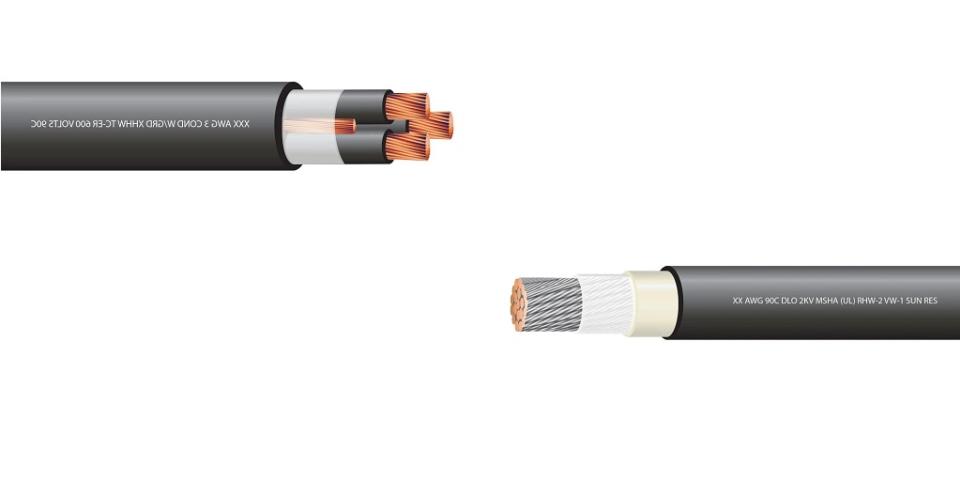
- Power cables
- Structural components
- Automation solutions
Well-established procurement networks ensure consistent quality while reducing project delays.
4. Evaluate Project Management Strength
Large infrastructure projects require exceptional coordination among suppliers, engineers, contractors, and regulatory authorities.
Professional project management includes:
- Detailed scheduling
- Resource planning
- Budget monitoring
- Vendor coordination
- Risk management
- Progress tracking
- Quality inspections
An EPC partner with mature project management processes can significantly improve project execution.
5. Quality Assurance and Safety Standards
Quality and safety should never be compromised during infrastructure development.
Choose EPC companies that maintain:
- Strict quality control procedures
- Comprehensive testing protocols
- International engineering standards
- Robust workplace safety practices
- Continuous quality monitoring
Quality assurance directly affects the reliability and lifespan of infrastructure assets.
6. Expertise in Grid Integration
Renewable energy projects require more than electricity generation.
Successful projects depend on efficient integration with transmission and distribution networks.
An experienced EPC contractor should understand:
- Grid synchronization
- Voltage regulation
- Power quality
- Transmission systems
- Utility compliance
- Protection coordination
Effective grid integration ensures reliable power delivery while maintaining network stability.
7. Advanced Protection Systems
Modern infrastructure relies on intelligent electrical protection to safeguard equipment and maintain operational continuity.
A relay control panel continuously monitors electrical parameters and responds immediately when faults occur.
A modern control and relay panel performs several essential functions, including:
- Transformer protection
- Feeder protection
- Busbar protection
- Fault isolation
- Alarm management
Leading control relay panel manufacturers in india develop advanced protection systems for utilities, renewable energy plants, and industrial facilities.
Applications of control and relay panel in substation environments are expanding as substations adopt greater levels of automation.
High-voltage projects frequently incorporate a 132 kv control relay panel to provide dependable protection for transmission infrastructure.
8. Modern Electrical Distribution Infrastructure
Reliable electrical distribution is essential for long-term project performance.
A medium voltage switchboard safely controls electrical power while protecting equipment from overloads and short circuits.
Similarly, a medium voltage panel ensures stable voltage regulation across industrial facilities, substations, and renewable energy plants.
Experienced low voltage switchboard manufacturers provide advanced electrical distribution systems that improve safety, efficiency, and reliability.
An lv switchgear panel supports:
- Circuit protection
- Load management
- Equipment safety
- Operational continuity
High-quality electrical infrastructure minimizes maintenance requirements while improving operational reliability.
9. Digital Monitoring and Automation
Digital technologies have become essential for modern infrastructure.
A scada system in power system enables centralized monitoring and remote operation of substations, renewable energy assets, and transmission networks.
Its capabilities include:
- Real-time monitoring
- Remote switching
- Fault diagnostics
- Performance analytics
- Predictive maintenance
- Asset management
An advanced scada control system improves operational efficiency while reducing downtime.
Many EPC projects now incorporate a scada based system that combines intelligent sensors, communication infrastructure, and automation software.
The widespread adoption of scada in power systems reflects the industry's move toward smarter and more connected electrical infrastructure.
10. Integrated Substation Solutions
Compact and factory-tested substations simplify project execution while improving quality.
A packaged transformer substation combines:
- Transformers
- Switchgear
- Protection systems
- Control equipment
- Monitoring devices
Benefits include:
- Faster installation
- Reduced site work
- Lower maintenance
- Improved safety
- Enhanced reliability
Integrated substations are increasingly preferred in renewable energy, industrial, and commercial infrastructure projects.
Questions to Ask Before Selecting an EPC Partner
Before awarding a project, consider asking:
- What similar projects have you successfully completed?
- What engineering capabilities are available in-house?
- How do you manage procurement risks?
- What quality assurance processes do you follow?
- How do you ensure project safety?
- What automation and digital technologies do you offer?
- What post-commissioning support is available?
- How do you manage project schedules and budgets?
Clear answers to these questions help evaluate the contractor's capabilities and commitment to project success.
The Future of EPC Services
The EPC industry is rapidly evolving as infrastructure projects become more digital and technology-driven.
Emerging trends include:
- Artificial Intelligence in project planning
- Digital twins
- IoT-enabled equipment
- Smart substations
- Battery Energy Storage Systems (BESS)
- Advanced SCADA platforms
- Cloud-based asset management
- Sustainable engineering practices
Future-ready EPC companies will integrate these technologies to improve project efficiency and lifecycle performance.
Building Long-Term Success Through the Right EPC Partner
Selecting the right EPC partner is a strategic decision that influences every phase of an infrastructure project's lifecycle. Beyond construction, a capable EPC contractor delivers engineering excellence, efficient procurement, robust project management, advanced electrical systems, and reliable long-term operational support.
Hartek Group has established itself as a trusted partner in India's power and renewable energy sector by delivering integrated EPC solutions across solar energy, power systems, substations, electrical distribution, and automation technologies. Through innovation, technical expertise, and a commitment to quality, Hartek continues to support the development of resilient infrastructure that powers India's sustainable growth.
Frequently Asked Questions (FAQs)
1. What does an EPC partner do in infrastructure projects?
An EPC partner manages the complete project lifecycle, including engineering, procurement, construction, testing, commissioning, and final handover, ensuring seamless execution under a single contract.
2. Why is choosing the right EPC company important?
The right epc companies in india help minimize project risks, control costs, maintain quality standards, ensure timely completion, and deliver reliable infrastructure with long-term operational performance.
3. How do EPC companies support renewable energy projects?
Leading epc solar companies provide end-to-end services such as engineering design, equipment procurement, construction, grid integration, testing, and commissioning, ensuring efficient renewable energy project delivery.
4. What technologies should a modern EPC company offer?
A capable EPC contractor should provide advanced solutions including scada system in power system, control and relay panel systems, medium voltage switchboard, medium voltage panel, lv switchgear panel, and packaged transformer substation solutions to improve system reliability and operational efficiency.
5. What should be evaluated before selecting an EPC contractor?
Key evaluation criteria include industry experience, engineering expertise, project portfolio, procurement capabilities, quality assurance, safety standards, financial stability, automation expertise, grid integration capabilities, and post-project support to ensure successful infrastructure development.