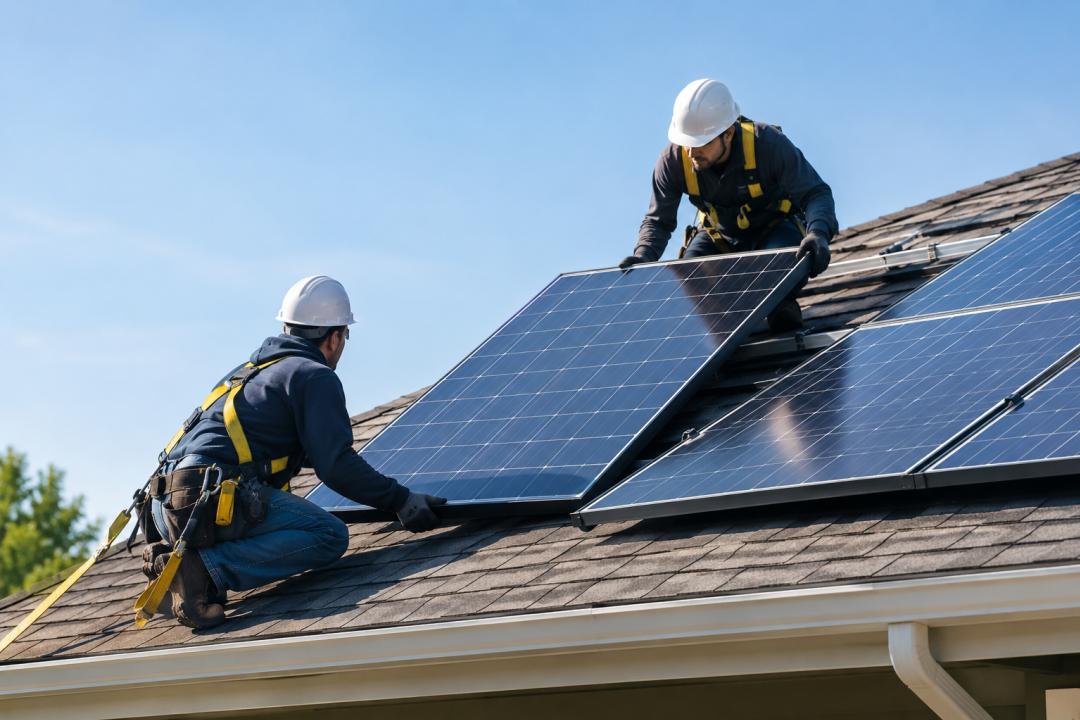
Installing solar panels is a major home project, and there is more to it than choosing panels and scheduling an installation date. The condition of your roof, available sunlight, electrical system, and expected energy use can all affect how well the system works.
A little preparation before installation can also prevent delays and unexpected costs. Checking a few important details early gives you a better idea of what your property needs and what questions to ask a solar installer.
Is the Roof Ready for Solar Panels?
Your roof is the foundation of the solar installation, so its condition should be checked before any panels are placed on it. If the roof is already showing signs of damage or is nearing the end of its life, installing solar panels may not be the best first step.
Check the Roof's Age and Condition
Look for cracked or missing shingles, leaks, sagging areas, water damage, or other visible problems. An older roof may also need replacement sooner than the solar panels, which can create additional work later if the panels have to be removed and reinstalled.
A roofing inspection can give you a clearer picture of whether the roof is ready for a solar project. Taking care of major repairs before installation can prevent problems once the panels are in place.
Does the Property Get Enough Sunlight?
Solar panels need regular exposure to sunlight, so the amount of shade around your property matters. Trees, nearby buildings, chimneys, and other structures can affect how much sunlight reaches the roof during different parts of the day.
Look for Shading
A roof that receives strong sunlight in the morning may have heavy shade in the afternoon, or the opposite may be true. A solar installer can assess the property and determine which areas receive the most useful sunlight throughout the day.
This assessment can also help determine how the panels should be positioned. The best location is not always the largest open section of the roof.
Which Part of the Roof Is Best for Solar Panels?
Not every section of a roof will work equally well for solar panels. Roof direction, slope, available space, and obstructions can all influence the layout.
Check the Available Roof Space
Vents, skylights, chimneys, and other structures can reduce the usable area. The installer will need enough room for the planned number of panels while also leaving appropriate access around the system.
If the roof has several sections, ask the installer to explain why they recommend a particular layout. Understanding the proposed placement can help you see how the system will fit your property.
How Much Electricity Does Your Home Use?
Your current electricity use is another important part of solar planning. A system designed for a small household may look very different from one intended for a home with high energy consumption.
Review Your Electricity Bills
Look at several months of electricity bills rather than relying on a single month. Energy use can change throughout the year, especially if you use air conditioning, heating, electric water heaters, or other high-energy appliances.
Your usage history gives the installer a better starting point when estimating the size of the solar system you may need. It can also help you understand how much of your electricity use the panels are expected to cover.
Can Your Electrical System Handle Solar?
Solar panels will need to connect to your home's electrical system, so the existing setup should be inspected before installation.
Check the Electrical Panel
The condition and capacity of the electrical panel can affect the installation. An older panel may need an upgrade if it cannot safely accommodate the new equipment.
Ask the installer to inspect the panel during the initial assessment. If electrical work is needed, knowing about it before installation can help you plan for the additional cost and time.
What Solar Equipment Will Be Installed?
Solar panels are only one part of a complete solar system. Depending on the setup, your installation may also include inverters, mounting equipment, monitoring equipment, wiring, and other electrical components.
Ask About the Main Components
Ask the installer which equipment will be used and what each component does. You should also know where the equipment will be installed and how it will connect with your existing electrical system.
If you receive several proposals, comparing the equipment listed in each one can help you understand why the prices may differ.
Do You Need Battery Storage?
Some homeowners install solar panels without battery storage, while others choose batteries so they can store excess energy for later use. The right choice depends on your energy needs, utility rules, and budget.
Understand How the Battery Fits the System
Ask how much energy the battery can store and when that stored energy can be used. If your main goal is backup power during an outage, ask how long the battery is expected to support the home's essential loads.
Battery storage can also change the overall cost of the project, so it is worth discussing before you approve a final system design.
Does the Roof Need Repairs Before Installation?
Roof repairs should not be overlooked simply because the solar installation is the main project. Once panels and mounting equipment are installed, accessing the roof can become more complicated.
Deal With Roof Problems Early
If an inspection reveals leaks, damaged materials, or other major issues, ask how they should be handled before installation begins. In some cases, repairing or replacing part of the roof first may make more sense than installing panels and dealing with the problem later.
Getting this sorted out early can also give the solar installer a clear surface to work with.
How Should You Choose a Solar Installer?
The installer you choose will have a major role in the planning and installation process. Comparing companies based on more than price can give you a better idea of what you are actually getting.
Ask About the Installation Process
Ask how the company handles site assessments, system design, permits, utility approvals, installation, and follow-up service. You can also ask how they communicate with customers during the project and how changes are handled.
For solar companies managing a large number of leads and site visits, solar sales software may be part of their internal process for organizing inquiries, proposals, appointments, and follow-ups. This does not change the equipment installed at your home, but it can affect how the sales process is managed before the project begins.
Things to Check Before Installing Solar Panels
Once you have checked the roof, sunlight, electrical system, and basic equipment needs, there are still a few practical details to sort out before installation begins. Permits, utility requirements, project costs, warranties, and the installation agreement can all affect the process.
Knowing what to ask before work starts can help you avoid surprises and understand what will happen after you sign the agreement.
Do You Need a Solar Permit?
Solar installations often require permits or approvals before work can begin. The exact requirements depend on where you live and the type of system being installed.
Ask About Local Requirements
Your installer should be familiar with the permits required for your property. Ask who will handle the applications and whether permit fees are included in the project estimate.
It is also worth asking how long the approval process normally takes in your area. A permit delay can affect the installation schedule even when everything else is ready.
How Will the Solar System Connect to the Grid?
If your home will remain connected to the electrical grid, your utility company may have its own requirements before the system can be activated.
Check the Utility Requirements
Ask the installer what documents, inspections, or approvals are needed from the utility company. You may also want to understand how excess electricity is handled if your system produces more energy than your home uses.
These details can affect when your system can officially start operating, so they should be discussed before installation.
What Should You Know About the Installation Cost?
The price of solar panels is only one part of the total project cost. Installation labor, electrical work, mounting equipment, permits, batteries, and other items may be included in the final estimate.
Ask What the Estimate Includes
Read the estimate carefully and ask about anything that is unclear. If an additional electrical upgrade or roof repair may be needed, ask whether it is already included or would be charged separately.
It can also help to ask what happens if the project requires additional work after installation begins. Knowing how unexpected costs are handled gives you a clearer idea of the total expense.
Should You Compare Solar Installation Proposals?
Getting more than one proposal can help you understand the range of options available for your home. Two installers may recommend different system sizes, equipment, layouts, or financing arrangements.
Look Beyond the Price
Compare the number and type of panels, estimated energy production, inverter, battery options, warranties, installation services, and other costs listed in each proposal.
A lower price does not always mean the proposal offers the same system or service. Make sure you are comparing similar equipment and project details before making a decision.
What Should You Know About Solar Panel Warranties?
Solar equipment can remain on your roof for many years, so warranties are worth reviewing before you sign an agreement. Different components may have different warranty periods.
Understand What the Warranty Covers
Ask how long the panel, inverter, mounting equipment, and installation work are covered. You should also know what happens if a component stops working and who you need to contact for service.
Keep copies of all warranty information with your other solar documents. These records may be useful if you need repairs or replacement equipment later.
How Long Will Solar Installation Take?
The actual installation may take only a short period, but the entire solar project can take longer because of inspections, permits, utility approvals, and other steps.
Leave Room for Delays
Ask the installer for an estimated timeline and which parts of the project could cause delays. Weather, equipment availability, permit processing, and utility scheduling can all affect the final installation date.
Having a realistic timeline can help you plan around the work without assuming the panels will be operating immediately after installation.
How Should You Prepare the Property?
The installation crew will need access to the roof and other areas where equipment will be installed. Preparing the property beforehand can reduce unnecessary interruptions.
Keep Access Clear
Move vehicles, outdoor furniture, or other items that could block access to the work area. Ask the installer if they need access to the electrical panel, garage, attic, or another part of the home.
If children or pets normally use the installation area, plan ahead for the construction work and follow any safety instructions given by the crew.
What Should You Ask the Solar Installer?
Before the installation date, make sure you know what will happen on the day of the project. Small details can become frustrating if they are left unclear.
Ask who will be working at the property, how long the work is expected to take, where equipment will be placed, and what areas of the home the crew will need to access.
You can also ask what happens after the physical installation is complete. The system may still need inspection, utility approval, or activation before you can start using it.
How Will the Solar Company Handle Your Project?
There may be several steps between the first consultation and the completed installation, including sales conversations, site visits, proposals, paperwork, scheduling, and customer communication.
Keep Project Information Organized
If a solar company handles many projects at the same time, organized customer and project information becomes especially important. Some companies use field management software to connect sales activity with scheduling, customer records, work orders, and other operational tasks.
For example, a company using Knockio can manage sales activity alongside scheduling, customer information, work orders, and other field operations. For a homeowner, the main benefit is knowing that there is a clear process behind the project rather than having to repeat the same information to different people.
What Should Be Included in the Solar Agreement?
The written agreement should clearly explain what you are purchasing and what the installer is responsible for. Do not rely only on what was discussed during a sales conversation.
Read the Details Carefully
Check the system size, equipment, installation work, project price, payment schedule, warranties, expected timeline, and any conditions that could change the cost.
If something discussed during the consultation does not appear in the agreement, ask about it before signing. Written details are easier to refer back to if questions come up later.
What Happens After the Solar Panels Are Installed?
Installation is not necessarily the final step. Your system may still need an inspection, utility approval, or activation before it can operate normally.
Keep Your Solar Records
Keep the final agreement, equipment information, warranties, permits, inspection records, and utility documents together. You may need these records for maintenance, warranty claims, future home improvements, or when selling the property.
It is also useful to understand how to monitor the system and who to contact if something stops working as expected.
Why Is Preparation Important Before Installing Solar Panels?
Solar panels can be a major investment, and the installation involves more than placing equipment on the roof. Roof condition, sunlight, electrical capacity, project costs, permits, utility requirements, and installation details all deserve attention before work begins.
Taking time to review these areas can make the process more predictable and give you a clearer understanding of the system you are purchasing.
Final Thoughts
A solar installation starts well before the first panel reaches the roof. Checking your roof, reviewing your electricity use, comparing proposals, asking about permits, and understanding the agreement can help you prepare for the project properly.
You do not need to know every technical detail before choosing an installer. The important part is asking clear questions and making sure you understand what is being installed, what it will cost, and what happens after the work is finished.