India’s clean energy transition is moving from ambitious targets to large-scale project execution. Solar power has become a central part of this transformation, with India reaching 168.04 GW of installed solar capacity as of August 31, 2026, including ground-mounted, rooftop, hybrid, and off-grid installations.
However, adding solar capacity is not only about installing photovoltaic modules. Projects also require site assessment, detailed engineering, equipment procurement, electrical infrastructure, grid connectivity, construction, testing, commissioning, and long-term operational planning. This is where solar EPC companies play a significant role.
Engineering, Procurement and Construction (EPC) companies bring multiple project activities under one coordinated framework. Their work helps developers convert solar project plans into operational assets while addressing technical, electrical, construction, and grid-integration requirements.
For India, where renewable generation is expanding alongside transmission and distribution infrastructure, the role of EPC companies is becoming increasingly important.
Key Takeaways
- Solar EPC companies coordinate engineering, procurement, construction, and commissioning.
- Grid connectivity and power evacuation are essential parts of large solar projects.
- Electrical equipment and automation support safe and efficient plant operation.
- EPC expertise can help manage project timelines, quality, and technical coordination.
- Integrated solar and power-infrastructure capabilities can support India's wider clean energy transition.
1. Turning Solar Potential into Operational Projects
India has substantial solar resources, but converting that potential into usable electricity requires carefully planned infrastructure.
Solar EPC companies manage several stages of project development, including:
- Site assessment and feasibility studies
- Plant layout and system design
- Electrical and civil engineering
- Equipment procurement
- Construction and installation
- Testing and commissioning
- Grid synchronization
- Operation and maintenance support
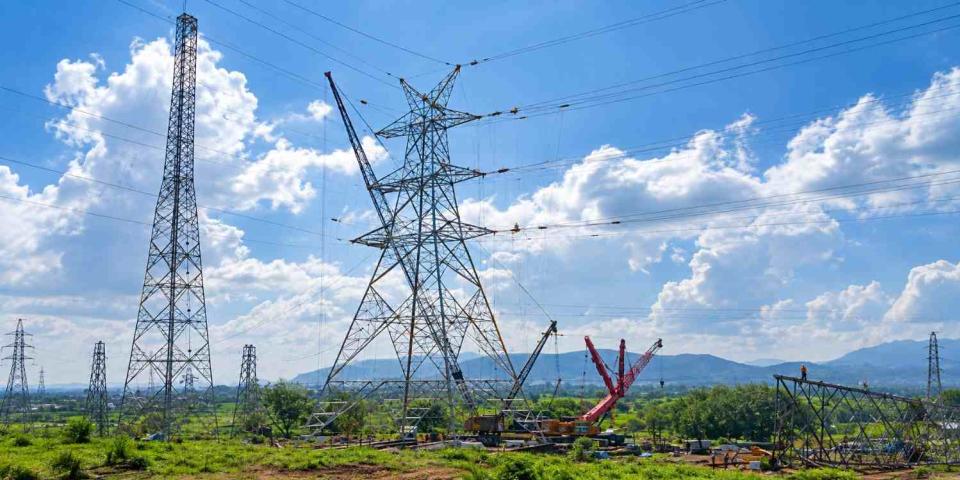
For utility-scale projects, these activities can involve large land parcels, extensive electrical networks, substations, transmission infrastructure, and complex project logistics.
This makes the capabilities of epc solar companies important for developers seeking to establish large, grid-connected renewable energy assets.
India's solar capacity growth also demonstrates the increasing scale of the market. According to the Ministry of New and Renewable Energy, solar capacity increased by more than 17.7 GW between April and August 2026 alone.
2. Strengthening Grid Connectivity and Power Evacuation
Generating electricity from solar modules is only one part of the renewable energy value chain. The generated electricity must also be collected, transformed, protected, monitored, and transferred to the grid.
This requires electrical infrastructure such as:
- Medium-voltage collection systems
- Transformers
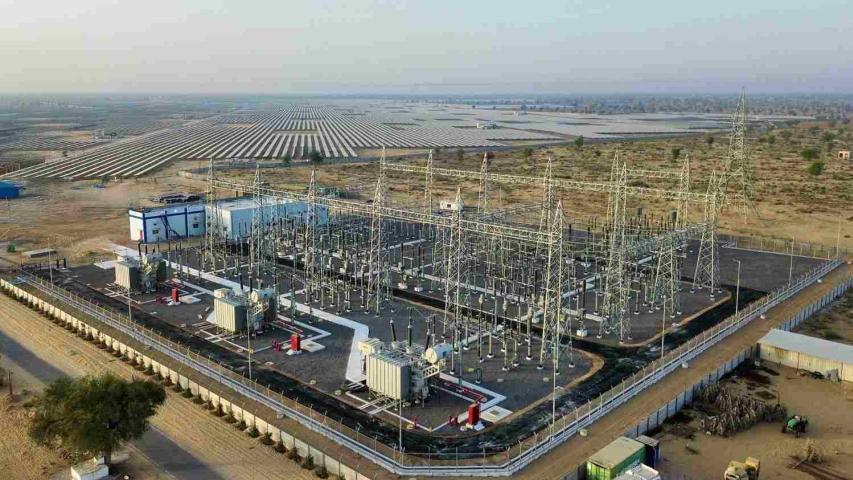
- Pooling substations
- High-voltage switchyards
- Protection systems
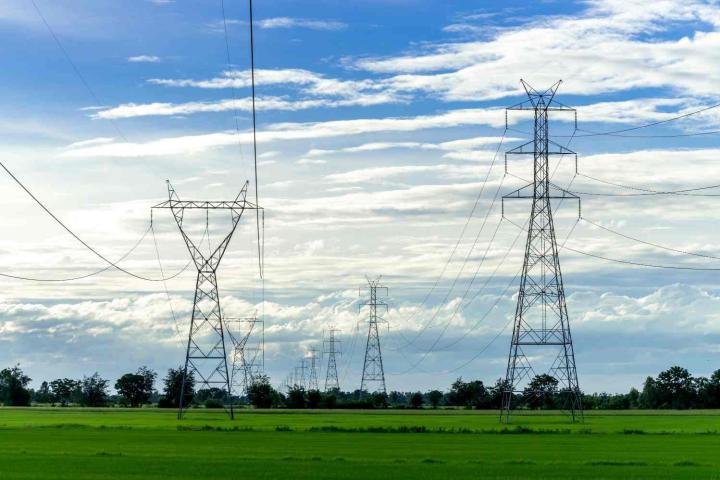
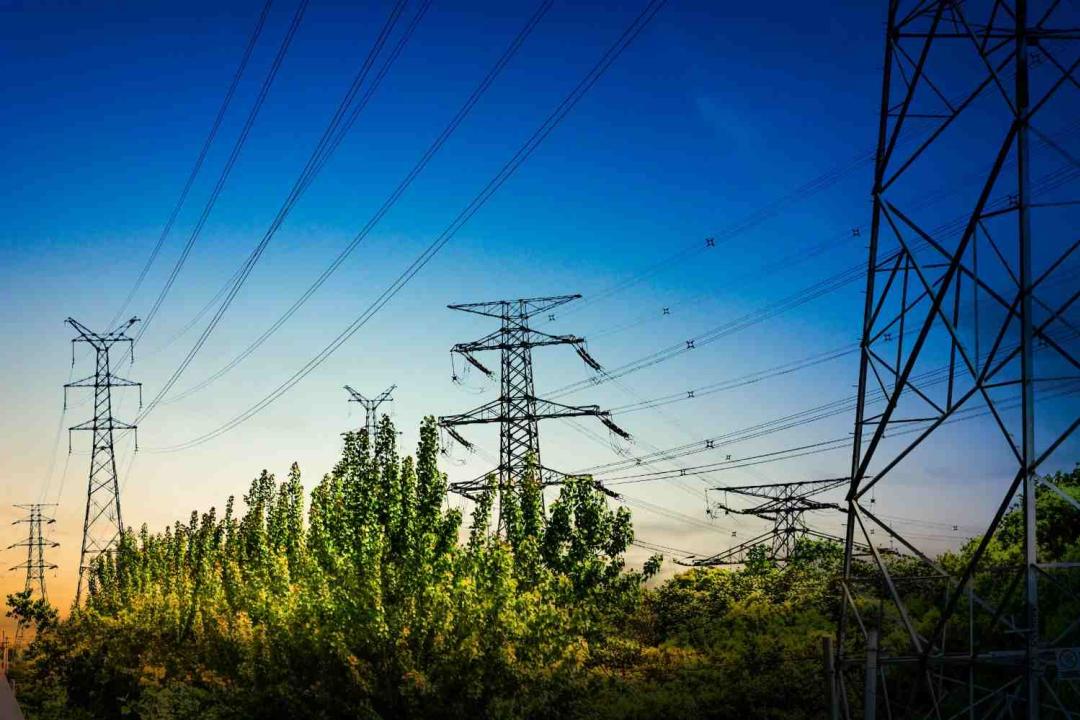
- Transmission lines
- Grid-interconnection equipment
Depending on project requirements, EPC solutions may incorporate a medium voltage switchboard or medium voltage panel for electrical distribution and collection networks.
Protection and control systems are equally important. A relay control panel or control and relay panel can support protection, control, and monitoring functions within substations.
For specific high-voltage applications, a 132 kv control relay panel may form part of the substation protection and control architecture. Similarly, a control and relay panel in substation applications needs to be engineered according to project specifications and applicable electrical standards.
Hartek's Power Systems business combines renewable-grid connectivity with high-voltage infrastructure and reports more than 400 EHV/HV substations delivered up to 765 kV.
3. Supporting Efficient Equipment Procurement
Procurement is another major responsibility within solar EPC execution. A utility-scale solar project can require thousands of components, ranging from modules and inverters to transformers, cables, switchgear, protection equipment, mounting systems, and communication devices.
An experienced EPC partner can coordinate technical specifications, vendor evaluation, equipment inspection, logistics, and site delivery.
Electrical distribution equipment may include an lv switchgear panel, while low voltage switchboard manufacturers can support the supply of suitable LV distribution equipment for relevant applications.
For certain project configurations, a packaged transformer substation can provide an integrated approach to transformer and associated electrical equipment requirements.
The objective is not simply to procure equipment but to ensure that individual components work together as part of the overall plant design.
This is particularly important when developers evaluate epc companies in india for large renewable energy projects, where procurement decisions can influence project timelines, system compatibility, and installation activities.
4. Bringing Automation and Digital Monitoring into Solar Plants
Modern solar plants generate large amounts of operational data. Monitoring this information manually is not practical for large installations. Automation therefore plays an important role in plant management.
A scada system in power system applications can provide centralized visibility into equipment status, alarms, electrical parameters, generation data, and other operational information.
A scada control system can integrate information from equipment such as:
- Inverters
- Transformers
- Protection relays
- Energy meters
- Switchgear
- Weather monitoring systems
- Substation equipment
- Plant controllers
A scada based system can also support faster identification of abnormal operating conditions and provide operators with centralized plant information.
As renewable generation becomes a larger component of the electricity system, the role of scada in power systems extends beyond basic monitoring. Integration between generation assets, substations, protection systems, and grid infrastructure can support better operational visibility.
5. Connecting Renewable Generation with Broader Grid Infrastructure
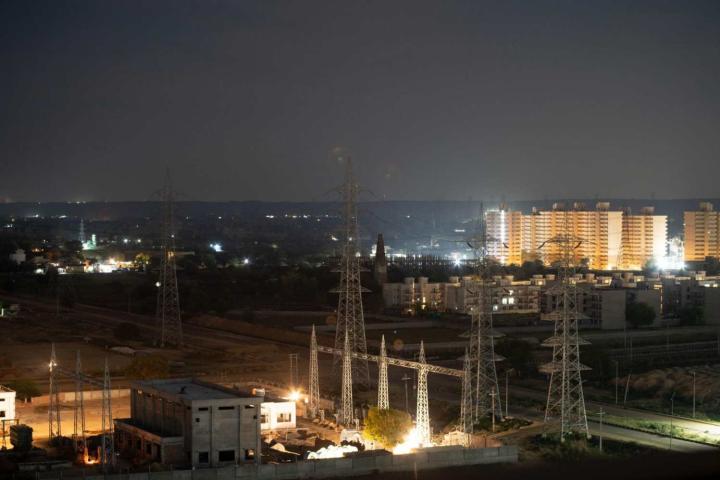
India's clean energy transition requires more than increasing generation capacity. Renewable electricity must be integrated into a transmission network capable of moving power from generation-rich regions to demand centers.
This creates a need for coordination between solar generation, substations, transmission networks, distribution systems, and digital controls.
For example, Hartek's 2026 Rajasthan solar EPC project includes both solar generation infrastructure and a 220 kV solar pooling substation. The company's scope covers engineering, procurement, construction, installation, testing, and commissioning.
This integrated approach reflects an important development in India's renewable energy sector: solar generation and grid infrastructure increasingly need to be planned together.
For developers comparing top solar epc companies in india, capabilities beyond module installation can therefore be relevant, particularly for large projects involving substations and power evacuation.
6. How EPC Companies Support India's Clean Energy Goals
India crossed 300 GW of non-fossil-fuel installed electricity capacity by July 2026, according to the Press Information Bureau, with solar contributing 164.59 GW at that point. The country continues to work toward its 500 GW non-fossil capacity target for 2030.
Achieving further growth will require coordinated execution across generation and grid infrastructure.
This is where top epc companies in india and solar epc companies can contribute through:
Engineering: Developing technically appropriate plant and electrical designs.
Procurement: Coordinating equipment sourcing and quality requirements.
Construction: Managing civil, mechanical, and electrical installation activities.
Grid Integration: Connecting renewable generation with substations and transmission infrastructure.
Commissioning: Testing systems and preparing plants for commercial operation.
The combination of these capabilities allows EPC partners to address multiple project requirements within a structured execution framework.
Hartek Group's Role in India's Solar Expansion
Hartek Group operates across Power Systems, Renewables, and Power Distribution Products. Its Renewables business focuses on land-based solar EPC, C&I rooftop solar, floating solar, and emerging areas such as Battery Energy Storage Systems and green hydrogen.
The company states that it has connected more than 10 GW of solar capacity to the national grid and installed more than 200 MW of rooftop solar capacity.
Hartek was also ranked among the Top 3 Large-Scale Solar EPC Companies for calendar year 2024 in Mercom India's market leaderboard, according to the company's published announcement.
Its combined capabilities across solar EPC, high-voltage power systems, substations, and power distribution products provide an integrated approach to renewable energy infrastructure.
Frequently Asked Questions
1. What does a solar EPC company do?
A solar EPC company manages engineering, procurement, construction, installation, testing, and commissioning activities for solar projects.
2. Why is grid connectivity important for solar projects?
Grid connectivity enables electricity generated by a solar plant to be transferred safely to the electricity network through appropriate substations, protection systems, and transmission infrastructure.
3. What role does SCADA play in solar power plants?
SCADA provides centralized monitoring and control of plant equipment, electrical parameters, alarms, and operational data.
4. What equipment is used in solar power infrastructure?
Depending on project requirements, equipment can include transformers, medium-voltage panels, switchboards, relay and protection panels, substations, SCADA systems, cables, and high-voltage switchgear.
5. Why are integrated EPC capabilities important?
Integrated capabilities can help coordinate solar generation, electrical infrastructure, grid connectivity, procurement, construction, testing, and commissioning under a unified project framework.
Building India's Next Generation of Clean Energy Infrastructure
India's clean energy transition will depend not only on how much renewable capacity is installed, but also on how effectively that capacity is engineered, connected, monitored, and integrated with the wider power system.
Solar EPC companies have an important role in this process. By combining engineering expertise, procurement management, construction capabilities, electrical infrastructure, automation, and grid integration, EPC partners can support the development of scalable renewable energy assets.
As India's solar capacity continues to expand, the focus is increasingly shifting toward integrated, grid-ready, and technically coordinated clean energy infrastructure.
Powering India's Renewable Energy Transition
Hartek Group provides integrated solar EPC and power infrastructure solutions for utility-scale and distributed renewable energy projects.