Every beverage and food industry requires clear and safe water storage facilities, and that is a thing it can’t afford to overlook. No matter whether it is a dairy plant or a bottling unit, the quality of stored water directly affects their product shelf life and safety. But even today, many facilities still use tanks that corrode and trap bacteria after a certain period of time. This is where stainless steel becomes a preferred choice. They offer a level of hygiene and reliability that traditional steel containers can’t match, and that’s what makes it a smart long-term investment for any food and beverage industry. Read the following sections to learn more about them.
What Makes Stainless Steel Tanks Important for Food & Beverage Storage
Food and beverage production follows strict
guidelines that include FSSAI, FDA, and ISO food-grade norms.
These regulations exist because the quality of the
produced food is directly affected by the storage materials.
For example, certain plastics may degrade or leach chemicals under
unsuitable conditions, especially under heat.
Whereas mild steel tanks affect the quality of the stored products by getting
corroded.
These kinds of risks can compromise
product quality and lead to compliance failures during inspections.
To fill this gap between what the
regulations demand and what conventional tanks deliver, the industry has
shifted toward stainless steel. A material that is built to meet these
standards without the drawbacks.
Benefits of Stainless Steel Tanks for Industries
Here in this section we have
mentioned some benefits that makes stainless steel tanks suitable for the
industry's use:
●
Stainless steel tanks,
particularly grades 304 and 316, are built for heavy-duty use.
●
Stainless steel tanks
are made up of material that doesn’t corrode or rust even after long exposure
to water and liquids.
●
These tanks are
especially preferred by dairy, beverage, and drinking water industries as they
are required to store the material in non-reactive containers. The surface of which prevents
contamination, so that no leaching, no odour
transfer, impact the taste of the stored
contents.
●
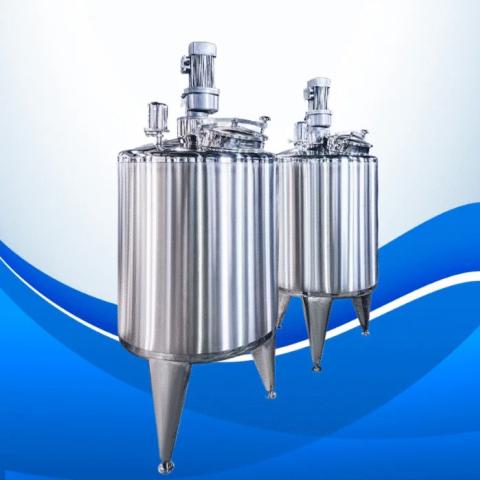
Stainless steel water tanks
can be used for both hot and cold storage needs as they can handle a wide range
of temperatures.
●
These tanks support
clean-in-place (CIP) systems, which is particularly valuable for
food-grade operations, as they require sterilisation without dismantling the
tank.
All these qualities make stainless
steel tanks a suitable, dependable option for industries without recurring
maintenance costs.
Where Stainless Steel Water Tanks Are Used in the Industry
From corporate dairy farms to
neighbourhood craft breweries, stainless steel tanks are the standard for
liquid processing.
They maintain safe storage conditions for
milk and dairy products, prevent contamination
in beer bottling lines, and act as the final holding area for purified water at
reverse osmosis facilities.
Because the metal doesn't leach or
rust, it's also the go-to choice for storing raw juices, liquid sugar, and
syrups.
Outside the industrial sector,
restaurants and commercial kitchens run smaller stainless tanks to keep their
primary food prep water completely safe.
Stainless Steel Water Tank Types, Grades & Pricing
Choosing the right stainless steel water storage tanks is not only about material; other things like understanding cost and specification also play a key role in it. Look at the table below for it.
|
Factor |
Options /
Details |
Impact on Price |
|
Grade |
SS 304 is used for general food
storage, while SS316 is used where resistance from chlorides and harsh
chemicals is required. |
SS 316 costs more but suits demanding
environments |
|
Configuration |
Vertical or Horizontal |
Depends on space and
installation needs. |
|
Insulation |
Insulated
for extreme weather, or non-insulated for standard room-temperature storage |
Insulated tanks cost more but
reduce long-term energy costs |
|
Capacity |
Ranges from 500 litres to
50,000+ litres |
Larger capacity tanks increase
price |
|
Customization |
Custom fittings, outlets, or
mounts |
Adds to cost |
|
Installation & Transport |
Standard or large industrial
tanks requiring special handling |
Larger tanks cost higher |
Since SS tank price can vary significantly.
It is important to compare quotes from a few manufacturers before finalising a
purchase rather than choosing based on cost alone.
Choosing the Right Stainless Steel Tank Manufacturer
While choosing the SS tanks manufacturer, you should
also seek the right manufacturer. Below
are the things you should keep in mind while choosing the manufacturer:
●
Always choose a
manufacturer with ISO certifications and that has approval from FSSAI
●
A reliable
manufacturer offers services like customizations, adjusting capacity, fitting,
or insulation
●
Always choose a
manufacturer that provides warranty coverage and after-sales support
With so many stainless steel tank
manufacturers in India to choose from, if you are looking for one with a proven
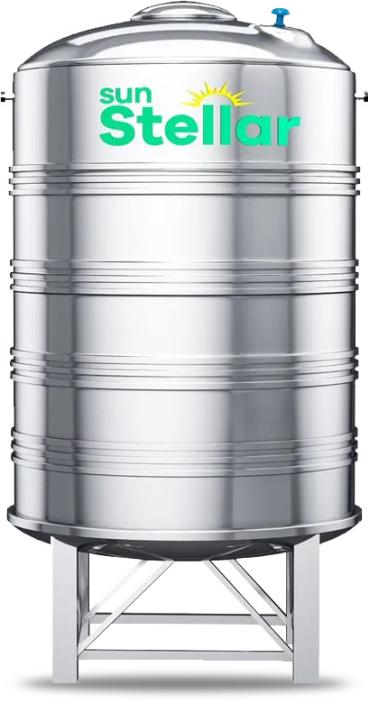
track record, then Sun Stellar Stainless Steel Water Tanks is built on this
foundation.
This makes it a reliable option for the food and
beverage businesses to invest in.
Investing in Safe, Long-Term Water Storage
By now, you have got this idea that reliable water
storage is not optional for food and beverage businesses, but it is a
foundation for safety, compliance, and product quality.
Stainless steel delivers long-term
values like hygiene and durability that other storage options usually cannot.
So whether you are setting up a
dairy plant, a commercial kitchen, or whatever, choosing the right grade,
capacity, and manufacturer makes all the difference.
If you are ready to upgrade your storage
infrastructure, it is the right time to go for Sun Stellar.
As it offers certified, customizable
tanks that are built to meet the industry's demand. Get in touch today and
discuss your requirements and find a solution that fits your business
perfectly.