When a child becomes sick, parents naturally want to know whether their condition is improving or getting worse. Checking a temperature once can provide useful information, but tracking temperature over time can offer a much clearer picture of how an illness is developing.
A child's temperature can change throughout the day, and one reading does not necessarily explain everything that is happening. By keeping a simple record of relevant readings alongside other symptoms, parents can better understand changes and provide useful information if professional medical advice is needed.
A Single Reading Only Shows One Moment
A temperature reading is a snapshot. It tells you what the child's temperature was at the specific time the measurement was taken.
For example, a child may have an elevated temperature in the evening and a lower reading several hours later. Another child may continue to have raised temperatures over a longer period. Without recording these changes, it can be difficult to remember exactly what happened.
Temperature tracking allows parents to look beyond an isolated number.
Instead of asking, "What was the temperature yesterday?", parents can refer to a simple record showing when measurements were taken and how the readings changed.
Tracking Can Show Patterns
Children's temperatures can naturally fluctuate during the day. When a child is ill, monitoring at appropriate intervals can help parents notice whether the temperature appears to be changing over time.
A basic record might include:
- Date and time
- Temperature reading
- Measurement method
- Other symptoms
- Fluid intake
- Changes in behaviour or energy levels
This information does not diagnose the illness, but it can help parents organise what they are observing.
Patterns can also be easier to identify when information is written down rather than relying on memory, particularly when a child has been unwell for several days.
Consistency Makes Records More Useful
When tracking temperature, consistency matters.
Different thermometers and measurement methods can produce different readings. Parents should therefore follow the manufacturer's instructions and, where possible, use the same device and recommended method when monitoring changes.
For example, repeatedly using one appropriate Thermometer in the recommended way can make it easier to compare readings taken at different times.
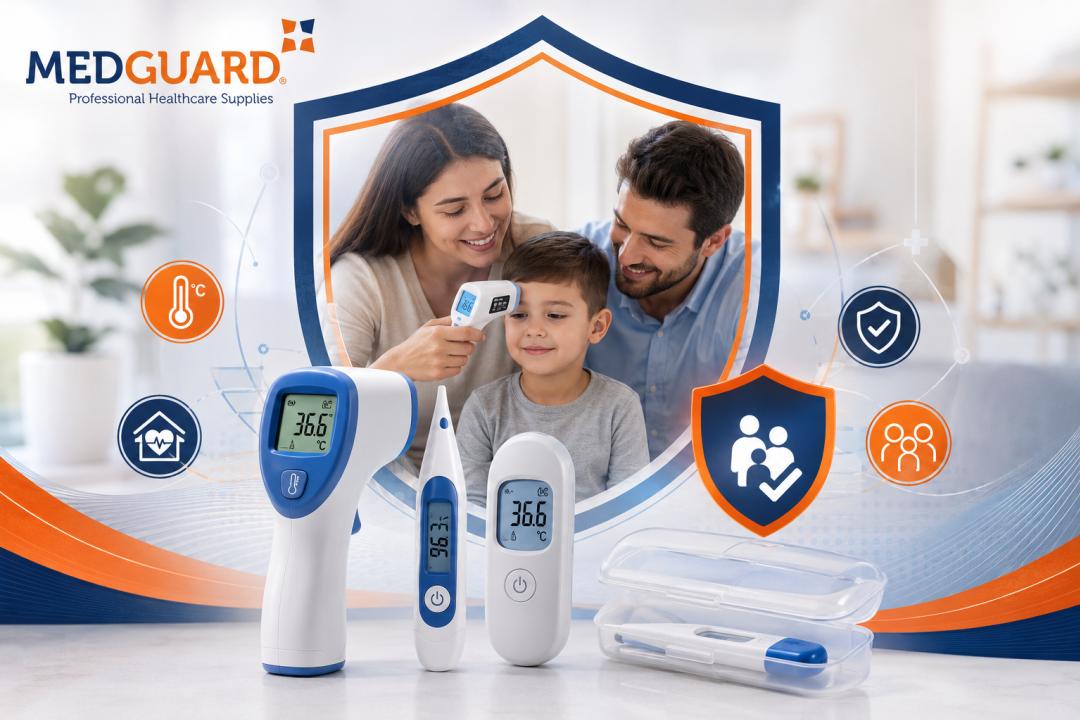
Switching between a forehead infrared device, an ear thermometer and a contact thermometer without understanding the differences can make the record more difficult to interpret.
The goal is not to produce a perfect scientific chart at home. It is simply to collect useful and reasonably consistent information.
Temperature Is Only One Part of the Picture
One of the most important reasons to track temperature responsibly is to avoid focusing entirely on the number.
A child may have a raised temperature but remain alert, responsive and able to drink fluids. Another child may have a less dramatic temperature reading but appear unusually sleepy, distressed or seriously unwell.
Parents should therefore record relevant symptoms alongside temperature.
Pay attention to changes such as:
- Reduced drinking
- Unusual tiredness
- Persistent vomiting
- Breathing difficulties
- Significant pain
- Changes in responsiveness
- New or worsening symptoms
This broader picture can be more informative than temperature alone.
Temperature Records Can Help During Medical Consultations
When parents contact a doctor or another healthcare professional, they may be asked when the fever started, how high the temperature has been and whether it has changed.
Trying to remember several readings from the previous day can be difficult, particularly when caring for a sick child.
A written record or thermometer memory function can make this information easier to provide.
Parents can explain when the measurements were taken, which method was used and what other symptoms were present. This gives the healthcare professional more context when assessing the situation.
Temperature tracking therefore has value beyond the home. It can help families communicate observations more clearly.
Avoid Checking Too Frequently Without a Reason
Tracking temperature does not mean checking it constantly.
Repeatedly taking a child's temperature every few minutes is unlikely to provide useful additional information and may make parents more anxious. It can also disturb a child who needs rest.
Instead, parents should follow appropriate guidance and consider the child's symptoms and general condition when deciding when to check again.
If a healthcare professional has provided specific instructions for monitoring temperature, those instructions should take priority.
The purpose of tracking is to identify meaningful changes, not to create unnecessary worry.
A Thermometer With Memory Can Be Convenient
Some modern thermometers include memory functions that store previous readings. This can be useful for parents who want to review recent measurements without keeping a separate written record.
However, a memory function is not essential. A simple notebook, phone note or family health record can work equally well.
What matters most is that the information is recorded clearly enough to understand later.
When choosing a device, parents should consider practical features such as readability, ease of operation and whether the memory function genuinely fits their needs.
Know When Tracking Is Not Enough
Temperature monitoring is a useful home-care tool, but it should not replace medical assessment.
Parents should seek appropriate medical advice if their child appears seriously unwell, has difficulty breathing, is unusually difficult to wake, shows signs of dehydration, develops a concerning rash, experiences a seizure or has other symptoms that cause significant concern.
Very young babies require particular attention when fever is suspected. Parents should follow age-specific medical guidance and seek professional advice when necessary.
If a child's condition is worsening, waiting for temperature trends to develop should not delay seeking help.
Choose Dependable Equipment
Good tracking starts with a thermometer that is suitable for the family and used correctly. Parents should check the manufacturer's instructions and choose a device appropriate for the child's age and intended measurement method.
Healthcare suppliers such as Medguard Healthcare can help families explore suitable temperature-monitoring products and compare features before making a purchase.
The most important consideration is not having the most sophisticated device. It is having a reliable option that parents understand and can use consistently.
Creating a Simple Temperature-Tracking Routine
Parents do not need a complicated spreadsheet to monitor a child's temperature.
A simple note can be enough:
Time: 8:00 AM
Temperature: Recorded reading
Symptoms: Tired but responsive
Fluids: Drinking normally
Notes: Temperature checked again later according to guidance
Keeping information organised can make it easier to notice meaningful changes without becoming overly focused on individual numbers.
Final Thoughts
Temperature tracking can give parents a clearer understanding of how their child's condition is changing during an illness. Instead of relying on memory or a single reading, a simple record can reveal useful patterns and provide better information for healthcare conversations.
However, temperature should always be considered alongside the child's behaviour, symptoms and overall condition.
A dependable Thermometer, consistent measurement practices and sensible record-keeping can make home monitoring more useful. Most importantly, parents should know that tracking temperature is a support tool—not a substitute for professional medical advice when a child is seriously unwell or their condition causes concern.
Original Source : https://geniwit.com/blog/why-every-parent-should-have-a-reliable-thermometer-at-home