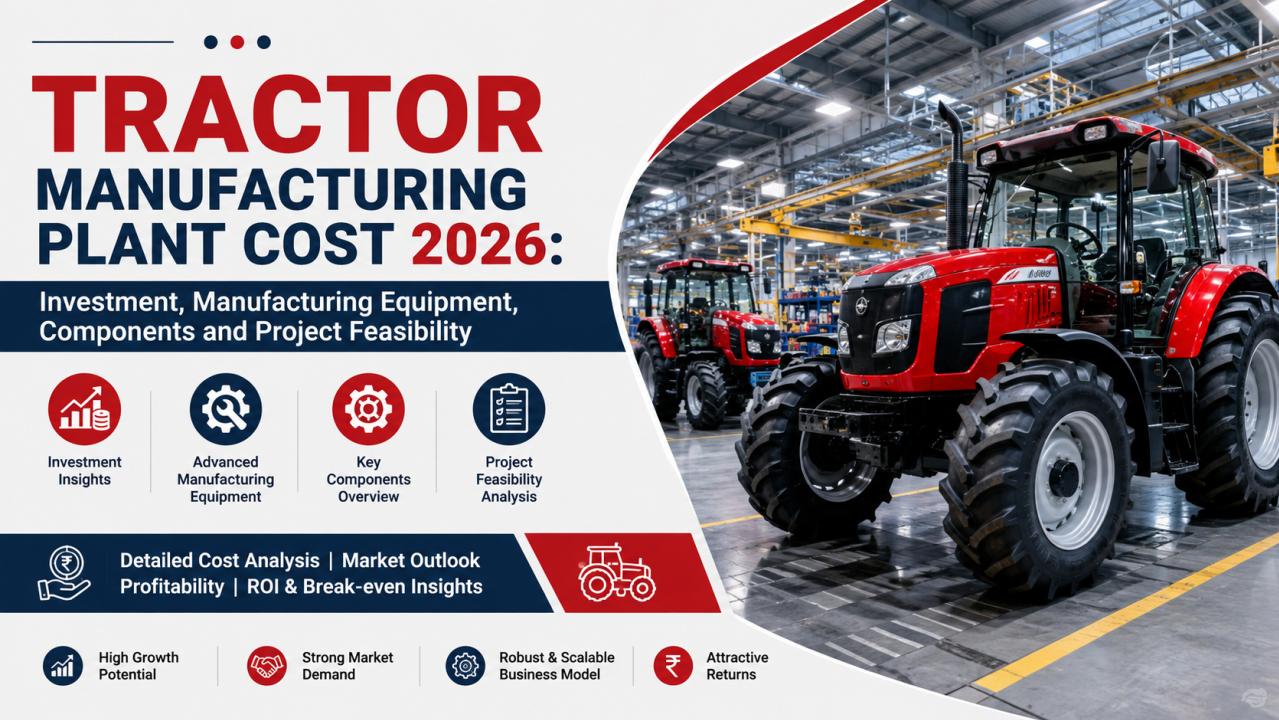
IMARC Group's report, "Tractor Manufacturing Plant Project Report 2026: Industry Trends, Plant Setup, Machinery, Raw Materials, Investment Opportunities, Cost and Revenue", offers a comprehensive guide for establishing a manufacturing plant. The tractor manufacturing plant setup cost report offers insights into the manufacturing process, financials, capital investment, expenses, ROI, and more for informed business decisions.
Tractor Manufacturing Plant Project Report Summary: -
- Comprehensive guide for setting up tractor manufacturing plant.
- Covers market trends and industry outlook for 2026.
- Detailed project setup, including unit operations and processes.
- Raw material and utility requirements.
- Infrastructure and machinery specifications.
- Workforce and staffing requirements.
- Packaging and transportation details.
- Financial aspects: investment opportunities, cost analysis, and revenue projections.
In addition to covering operational aspects, the report offers detailed insights into the tractor manufacturing plant process and project economics.
- Detailed insights into the tractor manufacturing plant
- In-depth project economics and financial metrics.
- Covers capital investments and project funding.
- Analysis of operating expenses and income projections.
- Breakdown of fixed and variable costs, direct and indirect expenses.
- Evaluation of ROI (Return on Investment) and NPV (Net Present Value).
- Profit and Loss account analysis.
- Comprehensive financial analysis for decision-making.
- Provides a roadmap for successfully establishing a tractor manufacturing plant.
Request for a Sample Report: https://www.imarcgroup.com/tractor-manufacturing-plant-project-report/requestsample
What is a tractor?
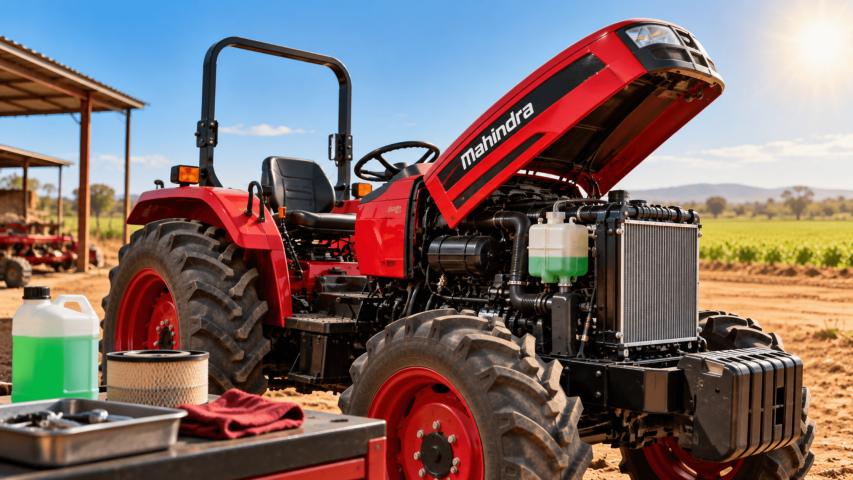
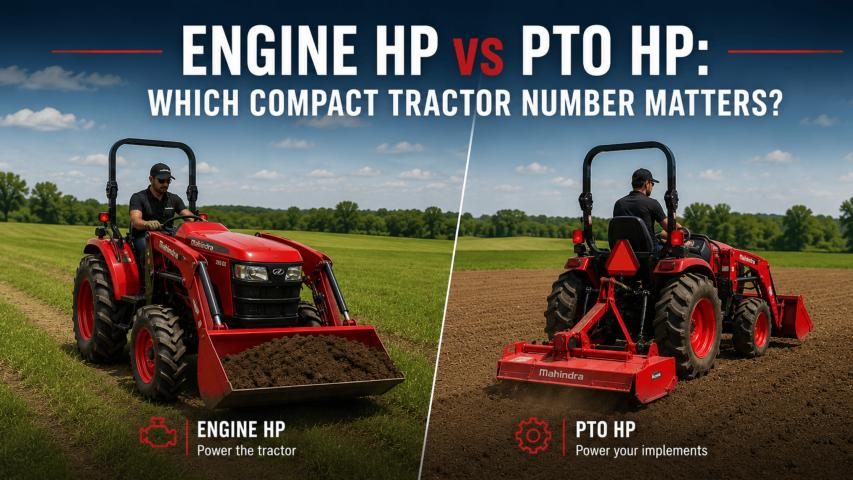
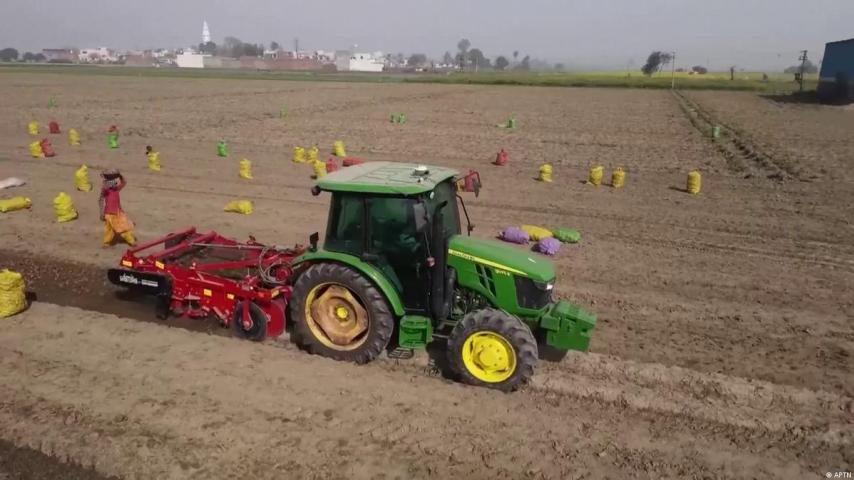
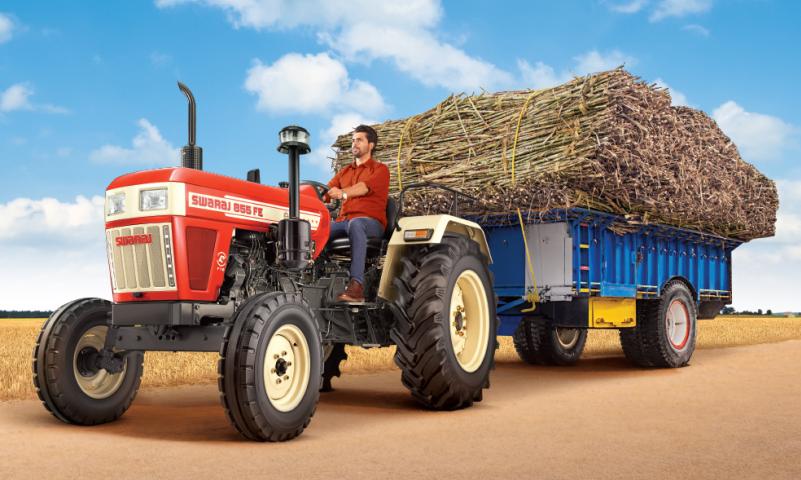
A tractor is a powerful agricultural vehicle designed primarily to perform various farming and land-management tasks. It is equipped with a high-torque engine, sturdy chassis, large rear wheels, and specialized attachments that enable it to pull, lift, till, sow, harvest, and transport materials efficiently. Tractors are available in different sizes, horsepower ratings, and configurations to suit applications ranging from small-scale farming to large commercial agricultural operations. Common types include utility, row-crop, orchard, compact, and specialty tractors. Modern tractors increasingly incorporate advanced technologies such as GPS guidance, automated steering, telematics, precision farming systems, and electronically controlled implements, helping farmers improve productivity and optimize resource use. Besides agriculture, tractors are also used in construction, landscaping, forestry, and material handling. By reducing dependence on manual labor and improving the speed and efficiency of field operations, tractors have become essential equipment for modern mechanized farming and agricultural productivity.
Market Trends and Drivers:
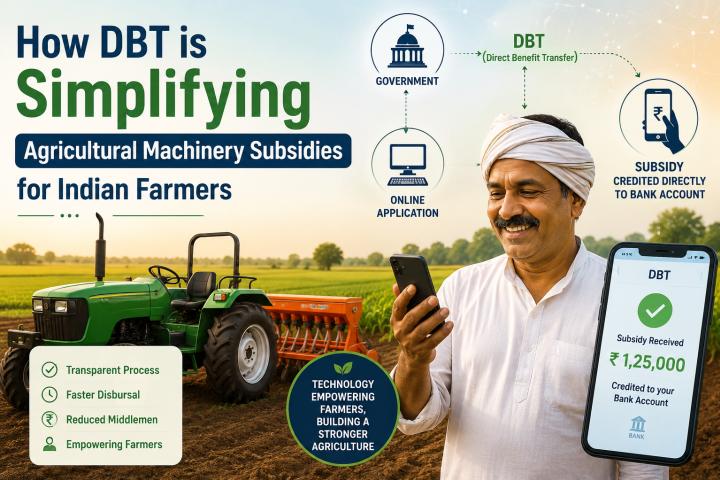
The tractor market is primarily driven by the growing mechanization of agriculture, rising labor costs, and the increasing need to improve farm productivity and operational efficiency. Farmers are increasingly adopting tractors to perform plowing, sowing, harvesting, transportation, and other activities more quickly while reducing dependence on manual labor. Government initiatives, agricultural subsidies, favorable financing schemes, and programs supporting farm mechanization are further encouraging tractor adoption, particularly among small and medium-sized farmers. The growing use of precision agriculture is also supporting demand for technologically advanced tractors equipped with GPS, automation, telematics, and smart implements.
In addition, rising food demand, expansion of cultivated areas, and the need for higher crop yields are creating opportunities for agricultural machinery manufacturers. In India, these trends are reflected in strong market growth. The India tractor market size was valued at USD 9.4 Billion in 2025. According to IMARC Group estimates, the market is expected to reach USD 15.9 Billion by 2034, exhibiting a CAGR of 6.05% from 2026 to 2034. Increasing rural incomes and improved access to agricultural credit are further supporting market expansion.
Tractor Manufacturing Equipment and Machinery Requirements
A tractor manufacturing plant requires specialized equipment to support engine assembly, body fabrication, hydraulic and transmission integration, painting, testing, and final assembly. The IMARC Group report identifies CNC machines, engine assembly lines, welding equipment, hydraulic assembly tools, painting booths, and testing rigs among the essential machinery requirements. Equipment selection depends on production capacity, desired automation, product specifications, and manufacturing technology. The plant layout should strategically position machinery and workstations to improve workflow, reduce material handling, maintain safety, and minimize production bottlenecks. Machinery represents a significant component of capital expenditure, making equipment selection and capacity planning important considerations during project development.
Key Components and Raw Materials for Tractor Production
Tractor manufacturing depends on a reliable supply of major components and raw materials, including steel sheet, cast iron, engines, transmissions, tires, hydraulic systems, and electronic components. Among these inputs, steel sheet represents a major cost component, with raw materials accounting for approximately 65-75% of total operating expenditure (OpEx), while utilities account for around 10-15%. Establishing dependable supplier networks and negotiating long-term procurement agreements can help manufacturers manage material price fluctuations and maintain consistent production. The selection of suppliers should also consider product quality, delivery reliability, transportation costs, sustainability factors, and supply-chain risks.
Tractor Plant Operating Costs and Profitability Potential
The operating economics of a tractor manufacturing facility are influenced by raw materials, utilities, labor, maintenance, transportation, packaging, depreciation, taxes, and other operating expenses. Based on the IMARC Group project report, the proposed project indicates a gross profit margin of 20-30% and a net profit margin of 8-12% under the stated project assumptions. Profitability depends on production capacity utilization, product pricing, procurement costs, technology, operational efficiency, and market demand. The report's financial analysis evaluates income and expenditure projections alongside profitability, liquidity, payback period, NPV, IRR, and sensitivity analysis to provide a structured assessment of the project's financial performance.
Tractor Manufacturing Project Feasibility Analysis
The feasibility of a tractor manufacturing project depends on the integration of technical, financial, operational, and market considerations. The IMARC Group report covers detailed process flow, unit operations, mass balance, raw material requirements, plant layout, machinery, utilities, infrastructure, manpower, transportation, and quality assurance requirements. It also evaluates project economics through CapEx, OpEx, income projections, expenditure projections, product pricing, margins, taxation, depreciation, break-even analysis, NPV, IRR, and sensitivity analysis. A proposed plant with a capacity of 20,000-50,000 tractors annually can provide a scalable production framework, while the reported 20-30% gross margin and 8-12% net margin indicate the potential for commercial viability when supported by efficient procurement, capacity utilization, and cost management.
Key Aspects Required for Setting Up a Tractor Manufacturing Plant
Detailed Process Flow:
- Product Overview: Comprehensive description of the tractor product and its characteristics.
- Unit Operations Involved: Step-by-step breakdown of the various operations in the production process.
- Mass Balance and Raw Material Requirements: Calculations for material inputs and outputs, along with required quantities of raw materials.
- Quality Assurance Criteria: Standards and procedures to ensure the quality of the final product.
- Technical Tests: Essential tests and evaluations to maintain product consistency and compliance.
Project Details, Requirements, and Costs Involved
- Land, Location, and Site Development: Assessment of land requirements, optimal location selection, and site development costs.
- Plant Layout: Design and layout planning for efficient plant operations.
- Machinery Requirements and Costs: Identification of machinery needed, along with the associated costs.
- Raw Material Requirements and Costs: Determination of the types and quantities of raw materials required and their costs.
- Packaging Requirements and Costs: Specifications for packaging materials and equipment, including associated expenses.
- Transportation Requirements and Costs: Logistics planning and cost estimation for the transportation of raw materials and finished products.
- Utility Requirements and Costs: Analysis of utility needs (such as water, electricity, and fuel) and their associated costs.
- Human Resource Requirements and Costs: Workforce planning, including staffing needs, roles, and costs for labor and management.
Ask Analyst for Customization: https://www.imarcgroup.com/request?type=report&id=8630&flag=C
Customization Options Available:
- Plant Location: Selection of optimal location for the plant.
- Plant Capacity: Customization based on desired production capacity.
- Machinery: Choice between automatic, semi-automatic, or manual machinery.
- List of Machinery Providers: Identification of suitable machinery suppliers.
Key Questions Addressed in This Report:
- How has the tractor market performed so far and how will it perform in the coming years?
- What is the market segmentation of the global tractor market?
- What is the regional breakup of the global tractor market?
- What are the price trends of various feedstocks in the tractor industry?
- What is the structure of the tractor industry and who are the key players?
- What are the various unit operations involved in a tractor manufacturing plant?
- What is the total size of land required for setting up a tractor manufacturing plant?
- What is the layout of a tractor manufacturing plant?
- What are the machinery requirements for setting up a tractor manufacturing plant?
- What are the raw material requirements for setting up a tractor manufacturing plant?
- And more...
How IMARC Can Help?
IMARC Group is a global management consulting firm that helps the world's most ambitious changemakers to create a lasting impact. The company provides a comprehensive suite of market entry and expansion services. IMARC offerings include thorough market assessment, feasibility studies, company incorporation assistance, factory setup support, regulatory approvals and licensing navigation, branding, marketing and sales strategies, competitive landscape and benchmarking analyses, pricing and cost research, and procurement research.
Services:
- Plant Setup
- Factoring Auditing
- Regulatory Approvals, and Licensing
- Company Incorporation
- Incubation Services
- Recruitment Services
- Marketing and Sales
Contact Us:
IMARC Group
134 N 4th St. Brooklyn, NY 11249, USA
Email: sales@imarcgroup.com
Tel No:(D) +91 120 433 0800
United States: +1-201971-6302