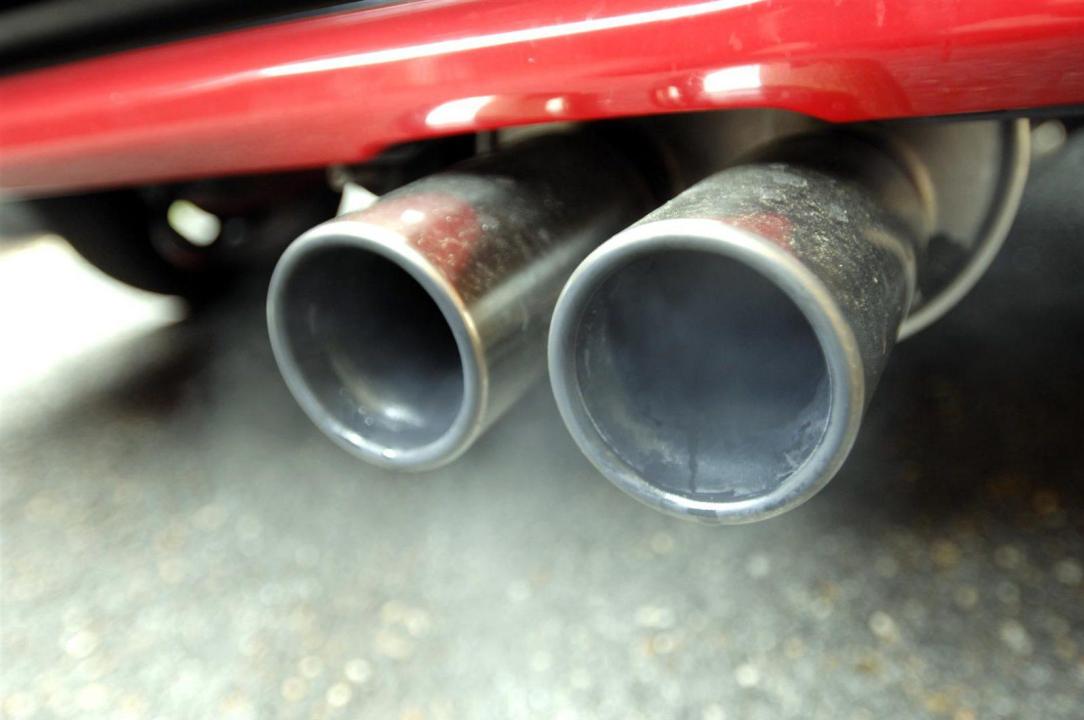
Most drivers believe that fuel quality, driving >Vw Polo GTI exhaust system improves engine response while also aiding in ideal airflow. But altering an exhaust does not automatically lower fuel usage. The design, engine calibration, driving technique, and general shape of the vehicle will all affect the outcome. Knowing this relationship might enable drivers to make better maintenance and update choices.
Helps the Engine to Breathe
The exhaust system removes gases generated by combustion. These gases have to get out of the engine quickly. A restrictive exhaust can slow down this process. The engine might have to push gases out more. This might impact performance and efficiency. A well-designed system produces appropriate airflow free from needless restriction. But bigger does not always mean better. An overly big exhaust can negatively affect the qualities of the airflow an engine requires, particularly at slower speeds. The best method combines the size, power, and intended application of the engine. Good design is more important than just picking the largest pipe there is.
Helps in Effective Combustion
Your exhaust system interacts intimately with other parts of your engine. Exhaust sensors keep track of gases and enable the engine management system to change fuel and air ratios. These sensors offer the computer of the engine vital information. The system can then change things to keep the fire going well. These readings can be influenced by a bad sensor or damaged exhaust. This might cause reduced economy and incorrect fuel changes. A good exhaust then promotes more than just noise management. It also helps to regulate the engine correctly. This is precisely why strange exhaust odours, warning lights, or changes in gasoline economy merit investigation.
Catalytic Converters Really Matter
Harmful contaminants in exhaust gases are decreased by the catalytic converter. Furthermore,e among the emissions control system of the car and is a critical part. A healthy catalytic converter filters dangerous substances while letting gases flow through. Should it get obstructed or damaged, exhaust flow might get limited. Then the engine could struggle to effectively remove gases. Drivers could find reduced performance, sluggish acceleration, or increased fuel economy. Furthermore, legal and environmental problems arise from altering or removing emissions equipment. Any substitute ought to satisfy the needs of the vehicle and the setting where it is driven. One should never trade off appropriate emissions management for efficiency.
Exhaust Conditions Influence Fuel Consumption
Over time, exhaust issues could arise. Rust, leaks, broken parts, and blockages all compromise performance. A leak in the exhaust might also let stray air get close to oxygen sensors. In some cars, this might throw engine readings and fuel adjustments off. An blocked exhaust might generate back pressure. This can lower engine output and make the car consume more gasoline. Early detection of these issues is possible with routine inspections. Listen for rattling, hissing, strange vibrations, or variations in exhaust sound. These indications could suggest damage needing expert care. A good exhaust enables the engine to run as meant.
Exhaust Upgrades Need Careful Planning
Performance exhaust systems can modify a car's sound and help with airflow. But one should never take fuel efficiency improvements for granted. Certain improvements help to cut needless restriction. Under some circumstances, this might assist the engine run more effectively. Other systems could urge drivers to accelerate more aggressively as the car feels more responsive. In that case, actual fuel use could even rise. Software for the engine also counts. Important airflow modifications could call for proper calibration to get the desired outcome. A decent improvement ought to suit your driving >
Driving Style Remains Most Important
Not even a good exhaust can make up for bad driving. Significant fuel consumption increases can come from fast acceleration, high engine speeds, hard braking, and needless idling. Smooth acceleration maximises engine performance. Keeping constant speeds also helps one to use less gasoline than would otherwise be necessary. Also important are correct tyre pressure and routine maintenance. Air filters, spark plugs, engine oil, and wheel alignment all affect fuel efficiency. Consider the exhaust as one component of a bigger system. When every component works as it ought to,
Conclusion
By means of airflow, emissions control, engine management, and general performance, the exhaust system might impact fuel efficiency. A well-kept and working system enables the engine to run as intended and effectively get rid of exhaust gases. Reduced efficiency and other engine problems might result from broken parts, blocked catalytic converters, leaks, or improper modifications. Though their advantages vary with the car and its total configuration, performance modifications can help to increase airflow sometimes.
Also, read: What Makes the Mercedes AMG C63 a True Sports Sedan?