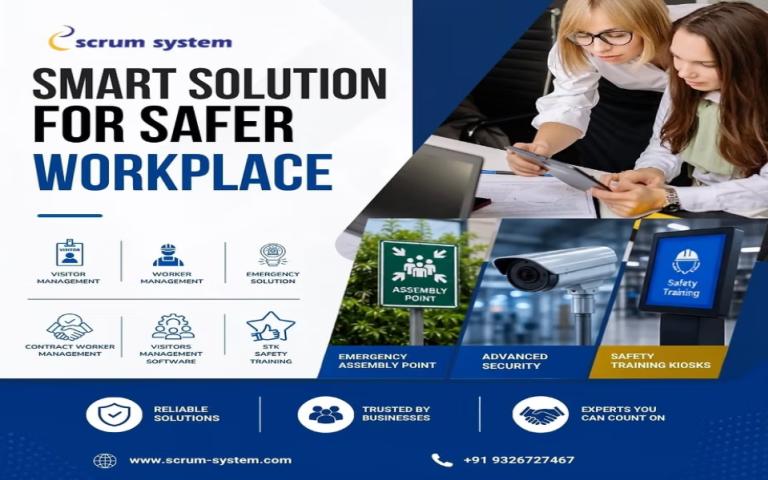
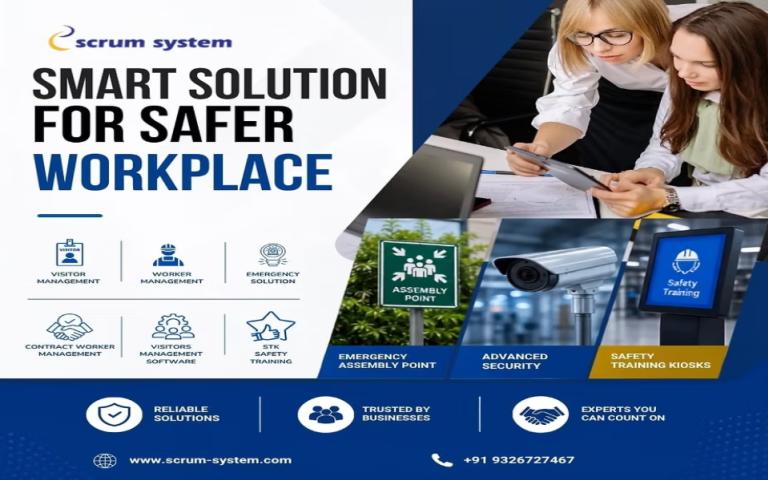
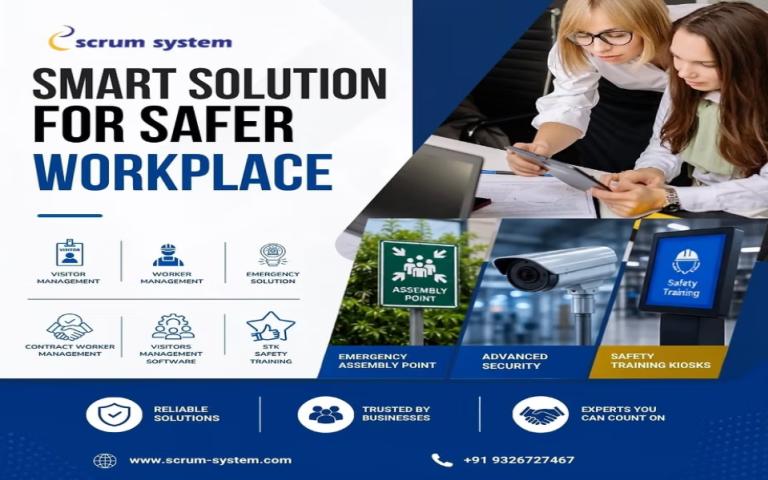
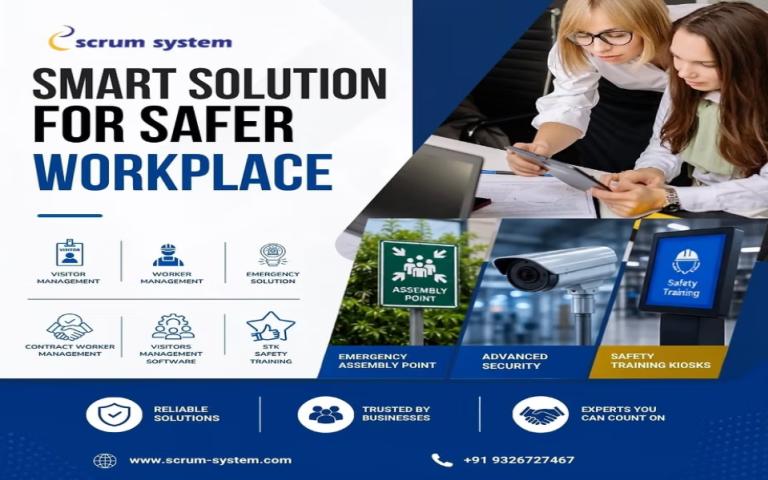
Managing people within a workplace can become challenging when an organization has a constant flow of employees, guests, contractors, and service providers. Without a clear process, even routine activities such as entry registration, visitor coordination, and workforce tracking can consume valuable time.
Digital workplace solutions can help businesses bring these activities into an organized framework and improve the way everyday operations are handled.
Creating a Controlled Entry Process
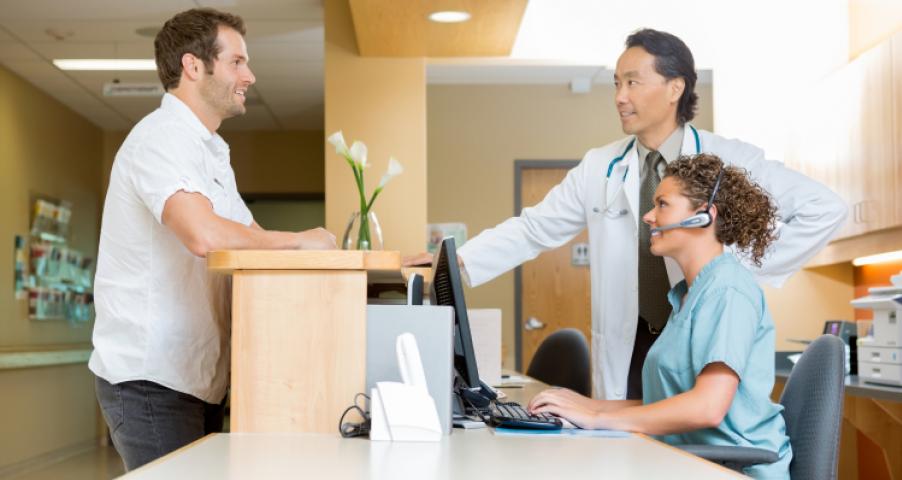
A workplace entrance should be welcoming for genuine visitors while maintaining appropriate security standards. Businesses need to know who is entering their premises and ensure that relevant employees are aware of scheduled guests.
A visitor management system can help create a structured entry workflow. It can support guest registration, host notifications, identification, and digital record keeping.
This approach can reduce unnecessary waiting at reception while providing security and administration teams with better visibility.
Making Visitor Handling More Efficient
Reception teams often have to manage multiple responsibilities simultaneously. Manually recording visitor details and communicating with employees can become repetitive, particularly in busy offices.
Visitor management software can automate several routine activities. Digital registration, appointment handling, notifications, and record management can make visitor coordination faster and more consistent.
With fewer manual tasks, front-office staff can dedicate more time to assisting visitors and handling other workplace responsibilities.
Supporting Multiple Organizations
Managing visitors becomes more complex when several businesses share one property. Each organization may need to control its own visitor information while the facility operator requires an appropriate level of oversight.
A multi tenant visitor management system can provide separate management capabilities for individual tenants while supporting centralized administration where required.
This can help shared offices, business centers, commercial buildings, and coworking facilities maintain a more organized visitor process.
Managing a Diverse Workforce
Workplace operations often involve more than permanent employees. Contractors, temporary staff, outsourced workers, and project-based teams may all work within the same facility.
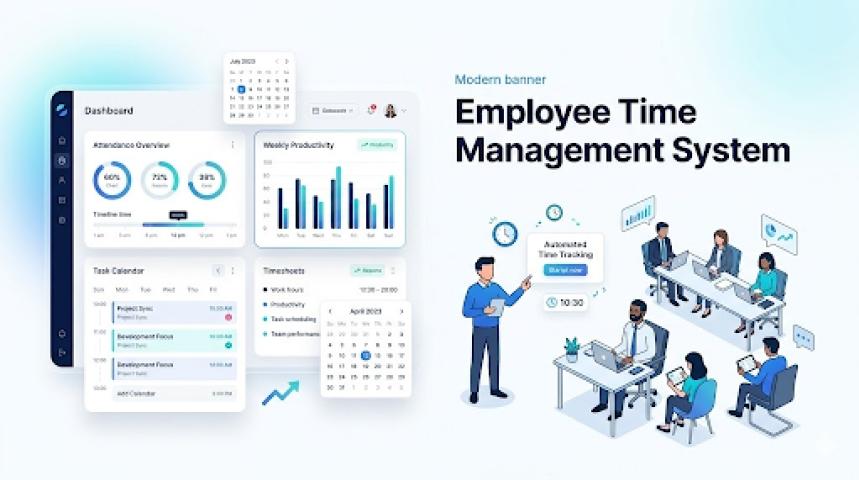
A labour management system can help businesses organize information about their workforce and manage activities such as attendance, schedules, assignments, and worker availability.
Better workforce information can help supervisors allocate resources efficiently and make quicker decisions when staffing requirements change.
Bringing Workplace Activities Together
Digital management becomes more valuable when it reduces the number of disconnected processes an organization relies on. Instead of using separate registers, spreadsheets, and manual communication, teams can work with more structured workflows.
This can provide benefits such as:
- Faster administrative operations
- Reduced paperwork
- Better record organization
- Improved workplace visibility
- Easier coordination between departments
- More efficient workforce planning
- Consistent processes
- Greater scalability
Building a More Efficient Workplace
The needs of a workplace can change as a business grows. More employees, additional visitors, new facilities, and changing workforce requirements can all increase administrative complexity.
A digital approach gives organizations the flexibility to adapt while maintaining consistent processes. It can also help management teams gain a clearer understanding of daily workplace activity.
Ultimately, effective workplace management is about making everyday operations simpler without compromising control. By creating organized processes for people, access, and workforce activities, businesses can build a workplace that is more efficient, secure, and ready for future growth.