Modern workplaces involve a continuous flow of people and activities. Employees report for work, clients arrive for meetings, contractors visit for assigned tasks, and administrative teams manage operations throughout the day. Keeping everything organized becomes increasingly important as a business grows.
Manual registers and disconnected records may work for smaller operations, but they can create delays and make information difficult to manage at scale. Digital solutions can provide a more structured way to handle workplace activities.
Improving the Visitor Experience
The reception area is often the first interaction a guest has with an organization. A lengthy check-in process can create unnecessary waiting, especially during busy hours.
A visitor management system can simplify guest registration by creating a digital process for collecting visitor information and notifying the appropriate employee. Security teams can also maintain electronic records of people entering the premises.
This creates a more professional arrival experience while helping organizations maintain better awareness of workplace activity.
Making Reception More Efficient
Receptionists handle much more than welcoming guests. They may coordinate appointments, contact employees, answer calls, and manage records simultaneously.
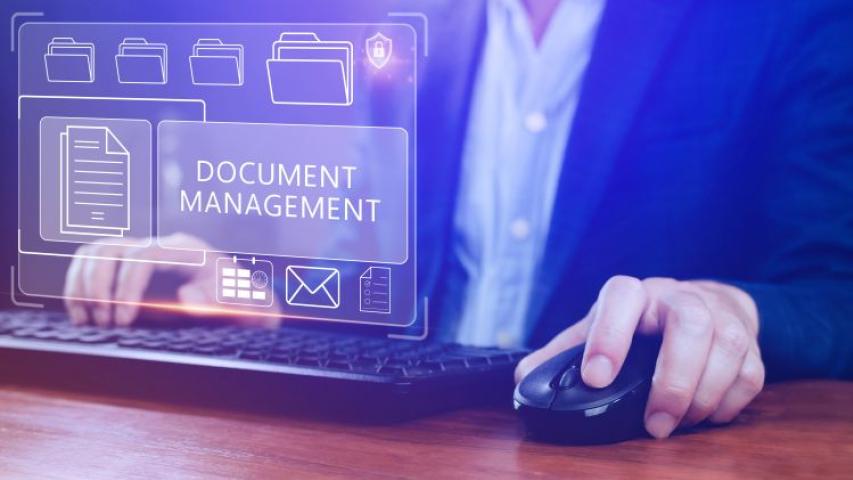
Visitor management software can reduce the amount of repetitive work involved in these responsibilities. Digital registration, appointment scheduling, automated notifications, and record keeping can help front-office teams manage daily activities more efficiently.
With routine tasks streamlined, staff can dedicate more attention to visitors and other important responsibilities.
Handling Multiple Tenants
Managing visitors becomes more complex when different companies operate from the same building. Each organization may need its own visitor records and user access while the property manager still requires suitable oversight.
A multi tenant visitor management system can help create separate operational spaces for individual tenants. This allows businesses to manage their own visitors while supporting centralized administration for the shared property.
Such an approach can be useful for coworking spaces, commercial buildings, business parks, and serviced offices.
Managing Workforce Activities
Workplace operations also depend on effective workforce coordination. Contractors, temporary employees, outsourced personnel, and project teams may have different schedules and responsibilities.
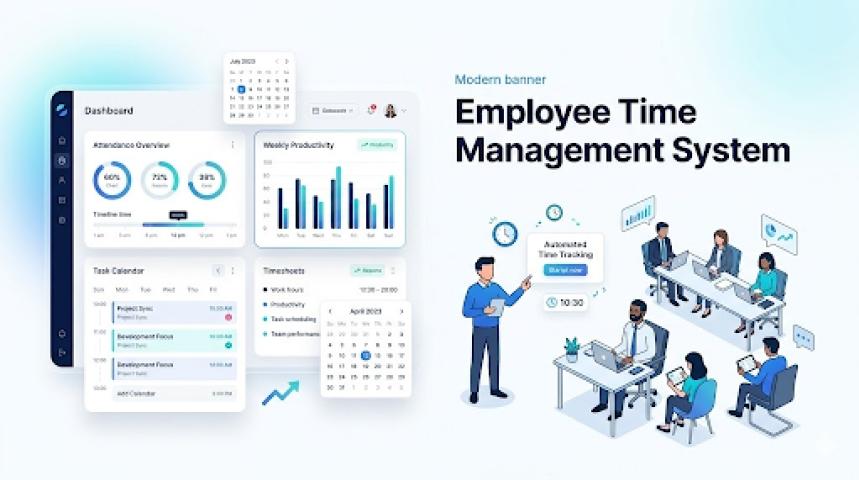
A labour management system can help organize workforce information and support activities such as attendance, scheduling, assignments, and worker allocation.
Having organized workforce information can help supervisors understand staffing requirements and coordinate people according to operational needs.
Benefits of a Digital Approach
Moving workplace processes from paper-based methods to digital workflows can provide several practical advantages.
Businesses can benefit from:
- Faster visitor registration
- Reduced administrative paperwork
- Better record organization
- Improved workplace visibility
- Easier workforce coordination
- More consistent processes
- Quicker access to information
- Greater operational flexibility
Building a Future-Ready Workplace
Workplace requirements can change quickly. Companies may expand their teams, open additional locations, increase visitor traffic, or work with more contractors as their operations develop.
Digital processes can make it easier to adapt to these changes without creating additional layers of manual administration.
A well-organized workplace is ultimately about making everyday activities easier to coordinate. When businesses have clear processes for managing people and information, teams can work more efficiently and management can maintain better visibility across operations.
By adopting smarter workplace practices, organizations can create an environment that is professional, scalable, and prepared for future growth.