A workplace involves many activities happening at the same time. Employees move between departments, meetings bring guests into the premises, deliveries arrive throughout the day, and different teams manage their own responsibilities. Without clear processes, even simple activities can sometimes become difficult to coordinate.
Good workplace organization starts with understanding these everyday activities and creating practical routines around them. The goal is not to make every task complicated, but to make common situations easier to understand and handle.
The Importance of Workplace Coordination
Clear coordination can help employees know what is expected of them and where they should direct questions or requests.
Some simple practices include:
- Keeping important information organized
- Defining responsibilities clearly
- Maintaining consistent records
- Providing easy-to-follow instructions
- Keeping shared spaces organized
- Reviewing procedures regularly
- Encouraging communication between teams
These habits can help create a workplace where daily activities feel more predictable.
Managing Visitors With Clarity
Visitors may arrive for meetings, interviews, deliveries, maintenance work, or other purposes. A consistent arrival process can make the experience easier for both guests and employees.
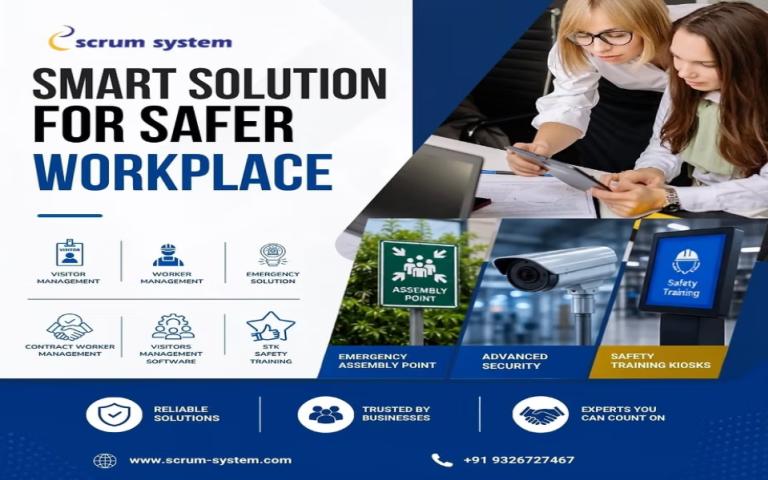
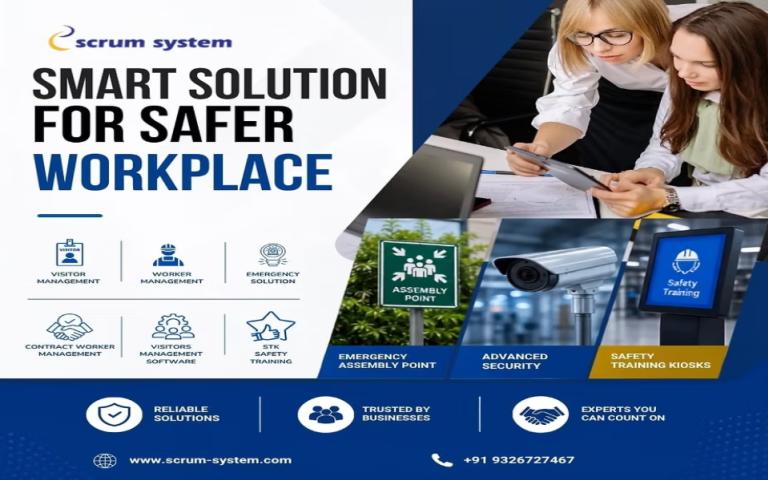
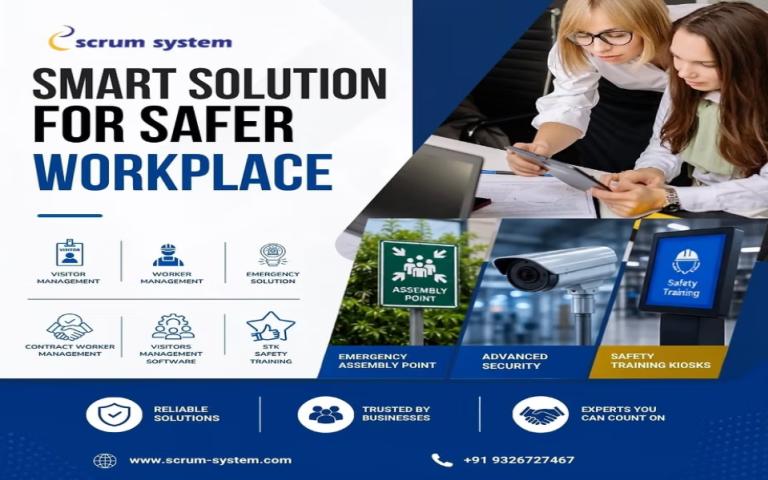
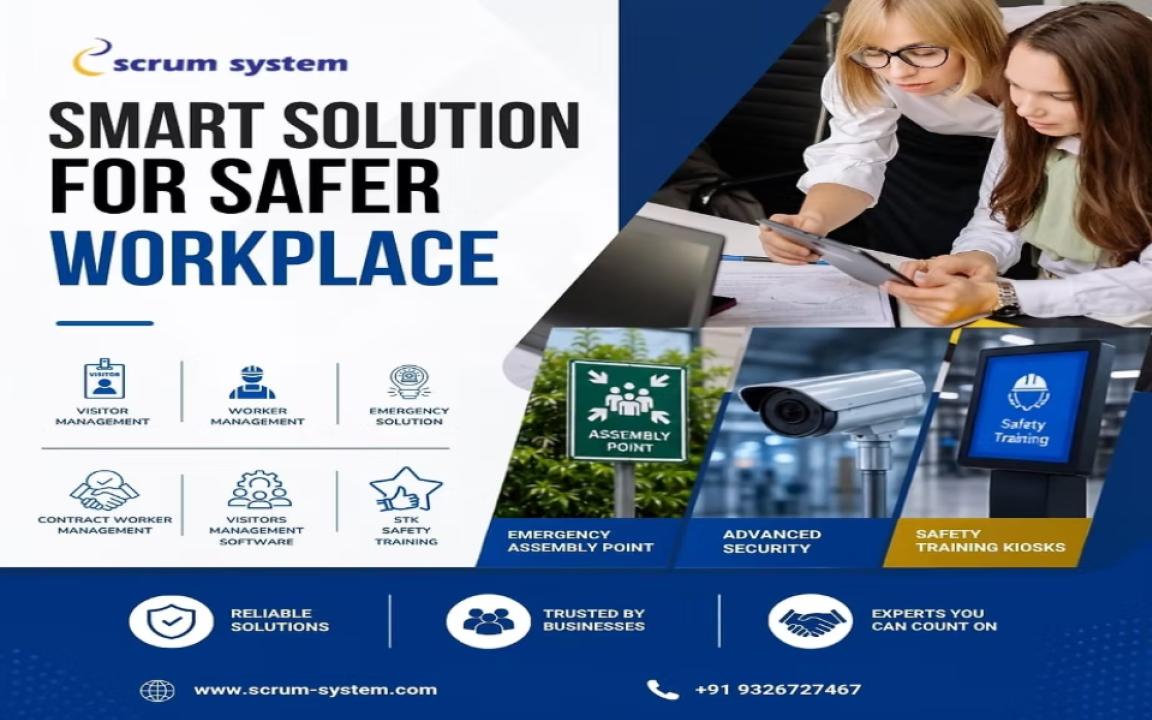
A visitor management system can support organized visitor registration and help maintain a structured approach to workplace entry activities.
However, a positive visitor experience also depends on basic human interaction. Clear directions, appropriate signage, helpful communication, and a suitable waiting area can make a workplace easier for guests to navigate.
Supporting Labour Coordination
Many workplaces depend on employees and workers performing different responsibilities across multiple areas. Keeping track of people, activities, and relevant workplace information can become increasingly important as operations grow.
A labour management system can support organizations in maintaining more structured processes around labour-related activities and records.
The broader objective is to create clarity rather than add unnecessary complexity. When responsibilities and information are organized, different teams can coordinate their work more effectively.
Reviewing Everyday Processes
Workplace procedures should evolve as circumstances change. Organizations can periodically review their routines by asking:
- Are responsibilities clearly understood?
- Is important information easy to access?
- Are visitors given clear instructions?
- Are workplace records maintained consistently?
- Can any unnecessary steps be simplified?
Small improvements can often make routine activities easier without requiring major changes.
Building a More Organized Environment
Effective workplace coordination develops through consistent practices. Clear communication, organized information, understandable procedures, and consideration for everyone using the workplace can contribute to a smoother daily environment.
By regularly reviewing how routine activities are handled, organizations can identify practical improvements and create processes that are easier for employees, visitors, and other workplace participants to follow.