The way people plan holidays has become increasingly digital. A traveler may discover a destination through a search engine, compare different tour providers, read online reviews, and check accommodation options before making a reservation. This means travel businesses need more than an attractive website—they need to be discoverable at the moment potential customers are searching.
Search engine optimization provides a practical way to build that visibility and bring relevant visitors to a travel website.
Start With the Traveler's Search Journey
Every traveler has different requirements. Some people search for inspiration, while others already know exactly what they want to book. A family might look for child-friendly destinations, whereas an adventure traveler may search for trekking experiences or outdoor activities.
Understanding these different search journeys allows businesses to create pages that answer specific questions. Instead of trying to reach everyone with one generic page, companies can develop targeted content for different destinations, services, and traveler interests.
Create a Website That Travelers Can Trust
Trust plays an important role when someone is deciding where to spend money on a trip. A professional website should provide clear service information, accurate contact details, useful destination information, customer reviews, and an easy way to make an inquiry.
High-quality photographs and well-organized pages can also improve the overall browsing experience. When visitors can quickly find prices, inclusions, itineraries, policies, and booking information, they can make decisions with greater confidence.
Make Every Destination Page Useful
Destination pages are valuable opportunities for travel companies. However, simply creating a page for every city or location is not enough.
Each page should offer unique and useful information. Businesses can discuss local attractions, activities, travel seasons, transportation, recommended itineraries, and other details that are genuinely helpful to visitors.
This approach can also help search engines better understand what each page offers and which searches it may be relevant for.
Build Visibility With Strategic Optimization
Travel businesses operate in a highly competitive online environment. Professional travel SEO services can help companies identify relevant search opportunities, improve website content, strengthen internal linking, and address technical issues that may affect organic visibility.
A carefully planned strategy can focus on both broad travel searches and highly specific phrases that indicate stronger user intent.
Use Content to Answer Real Questions
Travelers have questions at every stage of planning. They may want to know how many days they need, what attractions are worth visiting, what to pack, when to travel, or how much a trip might cost.
Creating informative articles around these questions can attract users before they are ready to book. Over time, useful content can become an important source of organic traffic and introduce potential customers to a company's services.
Strengthen Your Local Online Presence
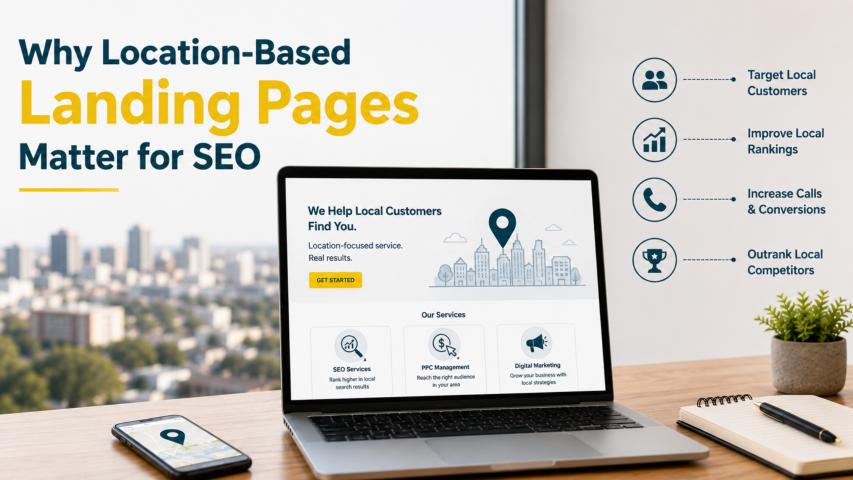
For hotels, tour operators, travel agencies, and activity providers, local search visibility can be especially valuable. Travelers frequently look for businesses within a particular destination.
Accurate business information, location-focused pages, customer reviews, and relevant local content can help companies connect with these searches. tourism SEO services can support businesses in developing a strategy around destination-specific visibility and customer discovery.
Keep Improving After Launch
SEO is not a one-time task. Search behavior changes, competitors update their websites, and new destinations and travel trends emerge. Regularly reviewing website performance helps businesses identify opportunities for improvement.
Companies can analyze which pages attract visitors, which searches generate engagement, and where users leave the booking journey. These insights can guide future content and optimization decisions.
Final Thoughts
A strong online presence can make it easier for travelers to discover a business while researching their next journey. By combining useful content, destination-focused pages, technical improvements, local optimization, and a smooth user experience, travel companies can create a website that serves both search engines and real customers.
The goal is simple: provide the right information, reach travelers at the right stage, and make it easy for them to take the next step.