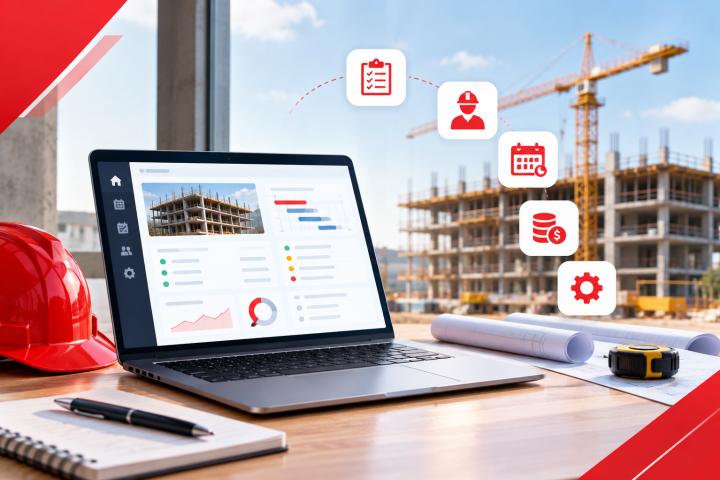
Construction projects rarely go exactly as planned. A material delivery can be late, a worker may become unavailable, or one task may take longer than expected.
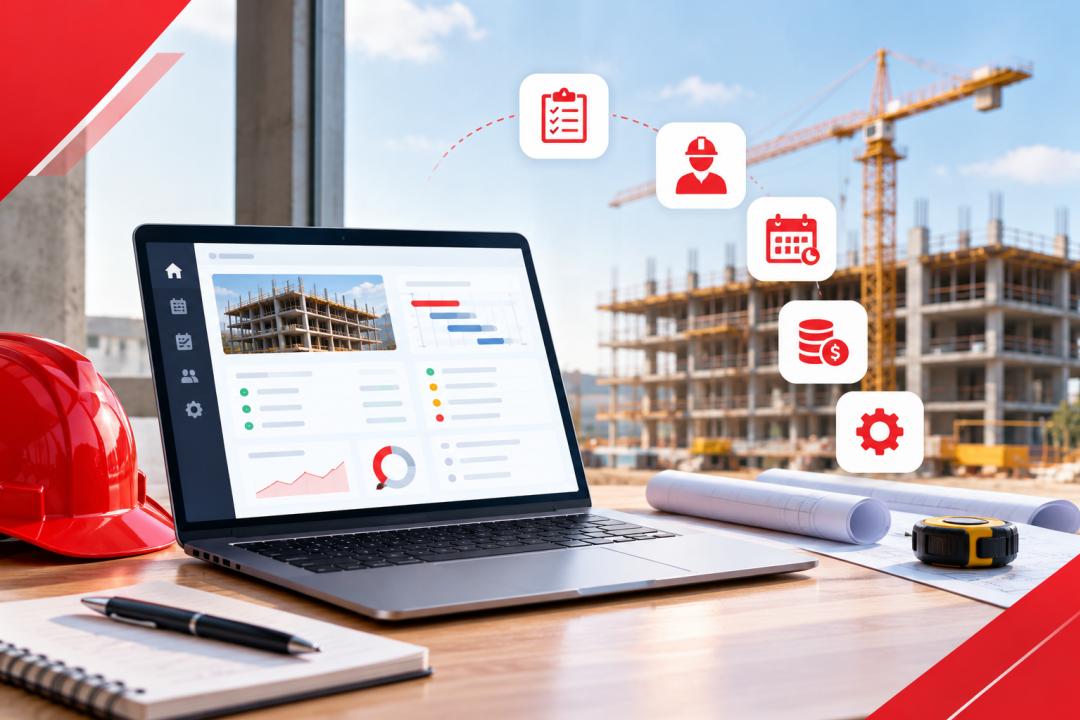
For contractors, even a small delay can affect several other activities. This is why having a clear planning process matters. Construction planning software can help teams organise schedules, tasks, employees, and deadlines in one place.
Why Construction Planning Can Be Difficult
Construction planning involves more than putting tasks on a calendar. Contractors need to consider who is available, which activities need to happen first, when materials will arrive, and how different projects compete for the same resources.
When planning is managed through spreadsheets or separate calendars, changes can take time to communicate.
A central planning system can make these updates easier to manage.
1. Organise Tasks Clearly
Every construction project contains many individual tasks.
Planning software can help contractors break projects into manageable activities and assign responsibilities. This gives team members a clearer idea of what they need to complete.
It also helps project managers see which tasks are still waiting to be done.
2. Manage Employees and Availability
People are one of the most important resources on a construction project.
A contractor may have several teams working across different sites. If the same employee is accidentally scheduled for two jobs, the problem can affect the entire day.
Construction planning software (planning software bouw) can help teams organise employee schedules and make availability easier to follow.
3. Keep Deadlines Visible
Deadlines can quickly get lost when project information is spread across multiple files.
A central planning system gives project managers a clearer view of upcoming tasks and important dates.
This makes it easier to identify activities that need attention before they become urgent.
4. Connect Planning With Project Information
Planning should not exist separately from the rest of the project.
Details about customers, tasks, work orders, and project requirements can all affect the schedule.
Using software for construction (software voor de bouw) can help contractors keep planning connected with wider project administration.
5. Make Changes Easier
Construction schedules often change. A customer may request additional work or a supplier may delay a delivery.
When the schedule is managed digitally, project managers can update tasks and communicate changes more easily than when several people are working from separate spreadsheets.
6. Manage Multiple Projects
Many contractors work on several projects at once.
Without a central view, it can become difficult to see which employees are available, which projects are approaching deadlines, and where resources are already committed.
A planning system can give managers a broader view of ongoing work.
7. Connect Planning With Cost Information
Time and resources affect project costs.
When contractors can connect planning information with their wider project workflow, they can better understand how changes in schedules may affect the project.
Construction calculation software (calculatie programma bouw) can support the cost side of this process by helping contractors manage project calculations.
8. Reduce Unnecessary Communication
Planning problems often create a lot of back-and-forth communication.
Someone has to ask whether a worker is available, whether a task has been completed, or whether a deadline has changed.
A shared planning system can give relevant team members access to current information, reducing some of these repeated questions.
9. Give Site Teams Better Information
Office staff and site teams need to work from the same basic project information.
If a schedule changes but the site team does not know about it, the planned workflow can quickly break down.
Keeping planning information accessible can help reduce this gap between office administration and field work.
10. Make Planning More Practical
Good planning software should not make scheduling more complicated.
It should help contractors quickly answer practical questions:
- Who is working on this project?
- What tasks are planned today?
- Which deadlines are approaching?
- What work is still outstanding?
- Where are resources already allocated?
- What needs to change because of a delay?
If the software makes these questions easier to answer, it is serving a useful purpose.
FAQs
What is construction planning software?
Construction planning software helps contractors organise project tasks, schedules, employees, deadlines, and other planning activities.
Can planning software manage multiple projects?
Yes, depending on the system. Construction planning tools can provide a central view of activities across different projects.
Why is construction planning important?
Good planning helps contractors coordinate people, tasks, resources, and deadlines. It can also make schedule changes easier to communicate.
Final Thoughts
Construction planning is about keeping many moving parts organised. A delay in one area can quickly affect other tasks, workers, and deadlines.
The right construction planning software can give contractors a clearer view of schedules and responsibilities. When planning is connected with the wider project workflow, teams can spend less time chasing updates and more time keeping projects moving.