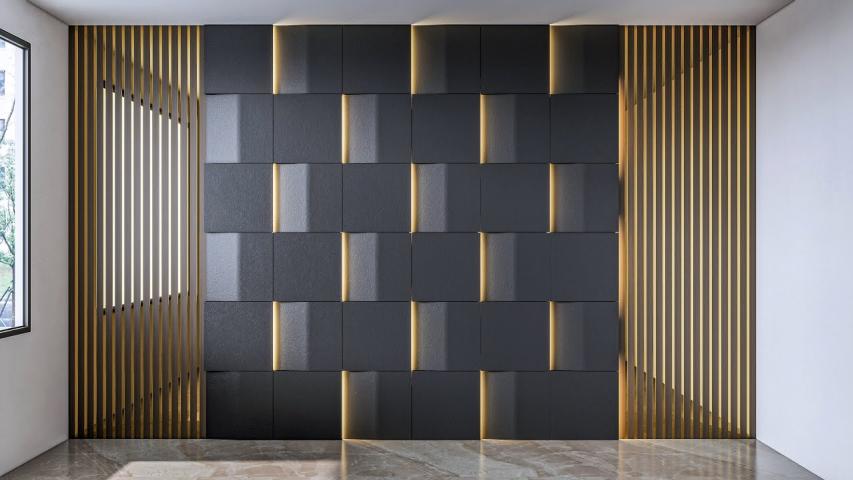
Living in a Dubai apartment is great, but it comes with a few small problems. The walls often look plain, and the sound travels easily. You hear traffic from Sheikh Zayed Road, neighbours walking upstairs, or a TV playing next door. At the same time, you want your home to feel warm and modern. This is where wall panels help. They give your rooms a fresh look and also make the space feel quieter and calmer. In this guide, we explain how wall panels work, which types suit apartments best, and what to check before you buy.
Why Wall Panels Are Getting Popular in Dubai Homes
Painting a wall is simple, but paint alone cannot change the feel of a room. Wall panels add texture, depth, and pattern. More people in areas like Dubai Marina, Downtown Dubai, Business Bay, and Jumeirah Lake Towers are choosing them because most apartments have flat, plain walls and limited space to renovate.
Another reason is speed. Many panel systems can be fitted in a day or two with very little mess. For tenants and owners who do not want long renovation work, this is a big plus. If you are looking at wall panels Dubai has to offer, you will find many >
How Wall Panels Add Style to Your Apartment
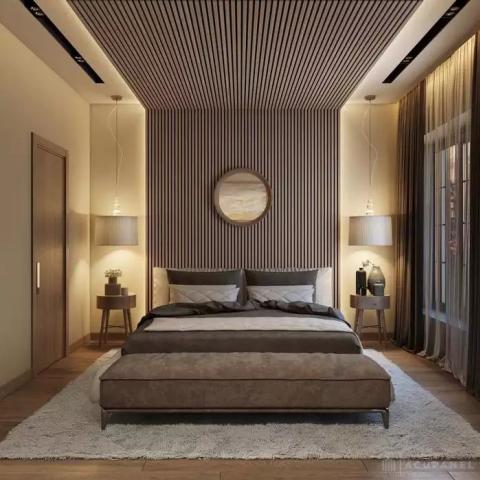
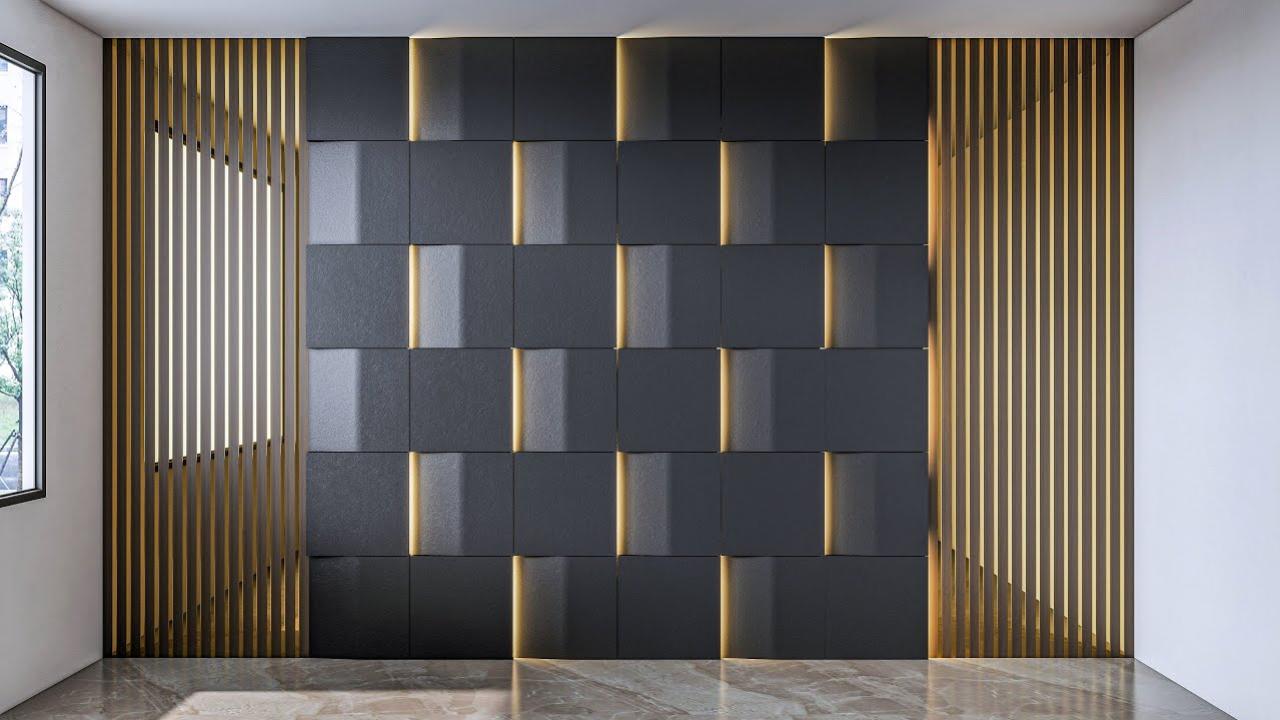
A good panel design can change the whole mood of a room. A fluted panel behind the sofa brings clean vertical lines and makes the ceiling look taller. A 3D panel with soft waves adds a modern touch to a feature wall. Wood-look panels bring a natural, cosy feeling, while marble-look sheets give a luxury hotel >
Colour also matters. Light shades such as white, beige, and soft grey make a small apartment feel open. Darker tones such as walnut or charcoal create a calm, rich feeling in a bedroom or home theatre. You can also mix panels with LED strip lights, floating shelves, or a mounted TV to build a complete feature wall that looks designed rather than added later.
Popular Types of Wall Panels for Apartments
Fluted panels are one of the most requested >
WPC panels, short for wood plastic composite, handle humidity better than plain MDF. This makes them a sensible option in a country with warm weather and strong air conditioning use. PVC panels are light, easy to clean, and often used in kitchens, bathrooms, and balconies.
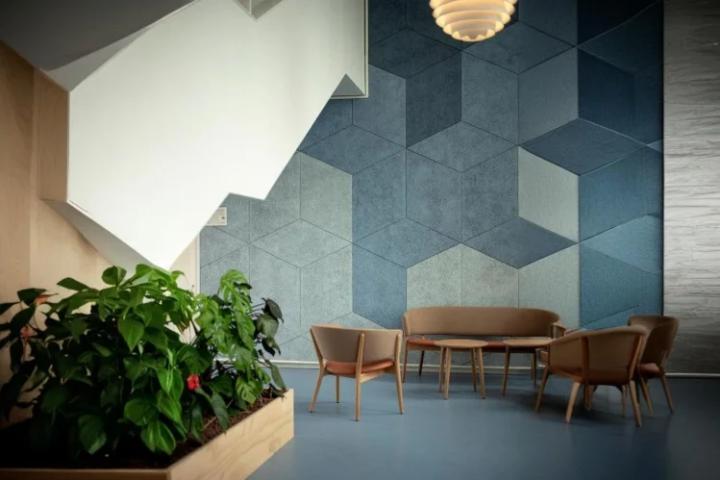
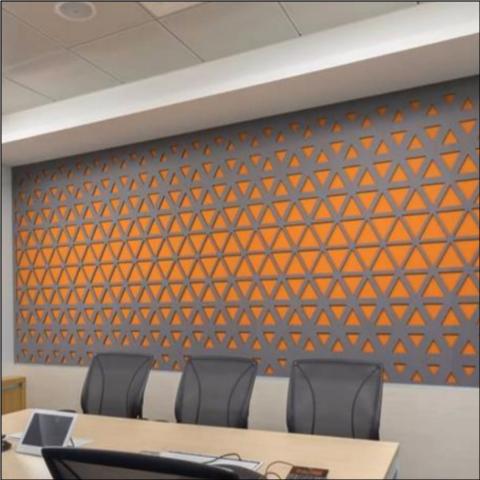
3D wall panels come in geometric, wave, and textured designs. They are usually lightweight and work well as a statement wall. Acoustic felt panels are made from PET felt, which is often produced from recycled bottles. They come in many colours and are used mainly for sound control in bedrooms, offices, and media rooms.
Wood veneer panels give a classic and warm look. They are often used in master bedrooms and majlis->
How Wall Panels Help With Sound Insulation
It helps to be clear about what panels can and cannot do. Sound moves in two main ways. It bounces around inside a room, which causes echo, and it passes through walls, floors, and ceilings into the next apartment. Different panels deal with these problems in different ways.
Soft and porous panels, like acoustic felt or fabric-wrapped panels, absorb sound waves instead of bouncing them back. This reduces echo and makes voices, music, and TV sound clearer. Specialists often describe this using the noise reduction coefficient, or NRC, where a higher number means better absorption.
Fluted panels backed with acoustic material also help. The grooves scatter sound, and the felt layer behind them absorbs part of it. Thicker panels fitted with a small air gap or insulation behind them usually perform better than thin panels stuck straight onto a wall.
To be honest, wall panels will not turn a thin shared wall into a fully soundproof one. Blocking loud noise needs mass and sealed gaps, such as extra layers of board and insulation. Still, for everyday living, panels can make a noticeable difference by softening echo and reducing the sharp edge of noise inside the room.
Best Places to Use Wall Panels at Home
The living room is one of the most popular places for PVC wall panels in Dubai. A panelled TV wall hides cables, adds >Entrance corridors and dining areas also look better with wall panels, adding character to spaces that usually feel plain. Children’s rooms and study corners can benefit from soft felt panels, which create a pleasant look and help reduce noise.
Things to Check Before You Buy
Start with your building rules. Many apartments in Dubai need approval from the landlord or building management before wall work begins, so ask early. Next, check the material. Panels with good moisture resistance last longer in humid areas, and materials with proper fire safety ratings are a smart choice for any indoor space.
Think about thickness and installation as well. Panels fixed on a frame with insulation behind them give better sound results than panels glued directly to a wall. Ask the installer how they handle sockets, switches, and AC vents, and request a sample so you can see the real colour and texture under your own lighting.
Finally, set a clear budget. Prices change with material, design, and finish, so compare a few quotes. Choose quality over the lowest price, because poor panels can bend, fade, or peel after a short time.
Simple Care Tips to Keep Panels Looking New
Most panels need very little care. Dust them weekly with a soft dry cloth or a vacuum brush. For marks, use a slightly damp cloth and avoid harsh chemicals. Felt panels can be cleaned gently with a lint roller or soft brush. Keep panels away from direct water splashes unless they are made for wet areas, and avoid placing heavy heat sources next to them.
Final Thoughts
Wall panels offer a rare mix of beauty and comfort. They lift the look of a Dubai apartment, add texture to flat walls, and help the room feel quieter and more relaxed. The key is to match the panel type to the room, choose a good installation method, and keep your expectations realistic about sound control. With the right planning, a simple wall can become the best feature of your home.