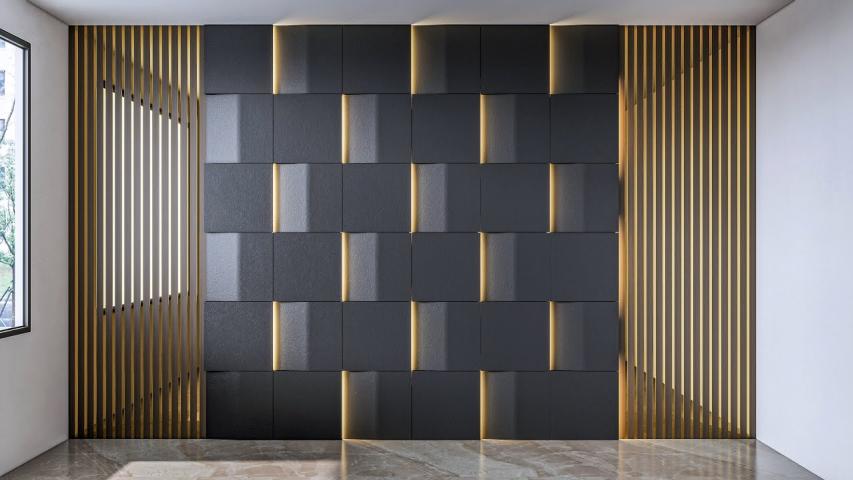
In the world, where open offices, collaborative classrooms, and dynamic commercial environments are the norm, noise control has become an essential part of interior design. More than just a luxury, managing acoustics within a space is now a critical factor in improving productivity, well-being, and user experience. One of the most effective solutions that seamlessly blends functionality with aesthetics is the use of Acoustic Wall Panels.
Rise of Acoustic Design in Modern Spaces
Noise pollution is often overlooked in architectural planning, but its effects are far-reaching. Whether it’s the hum of HVAC systems, conversations echoing in open spaces, or the general buzz of electronic devices, unwanted sound can significantly reduce concentration, increase stress levels, and hinder communication.
That's where Acoustic Wall Panels come in — not only do they absorb sound to reduce reverberation and echo, but they also act as stunning design elements that can elevate any interior space.
What are Acoustic Wall Panels?
Acoustic Wall Panels are specially designed structures made from sound-absorbing materials that reduce noise and enhance sound clarity in a room. These panels are typically installed on walls (and sometimes ceilings) to address specific acoustic challenges.
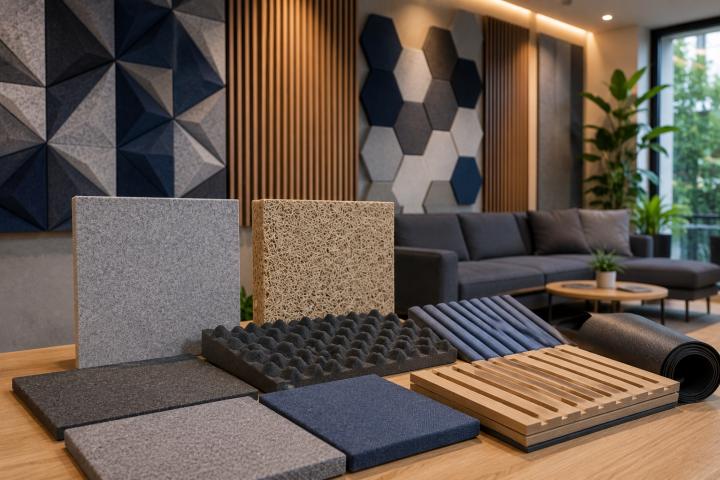
Constructed from materials such as fiberglass, PET (polyethylene terephthalate), fabric-wrapped foam, or even wood wool, these panels are engineered to capture sound waves, thereby minimizing their reflection. The result? Clearer sound, reduced noise, and improved auditory comfort.
Versatility and Aesthetic Appeal
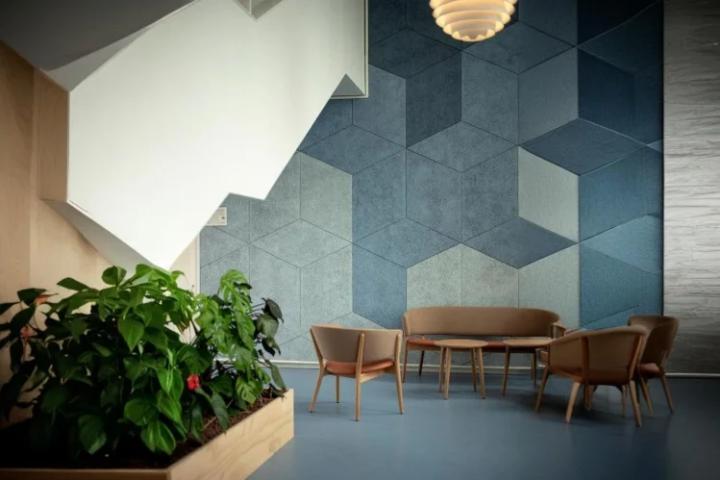
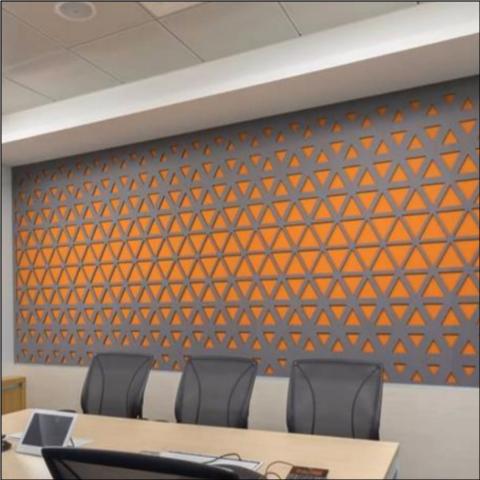
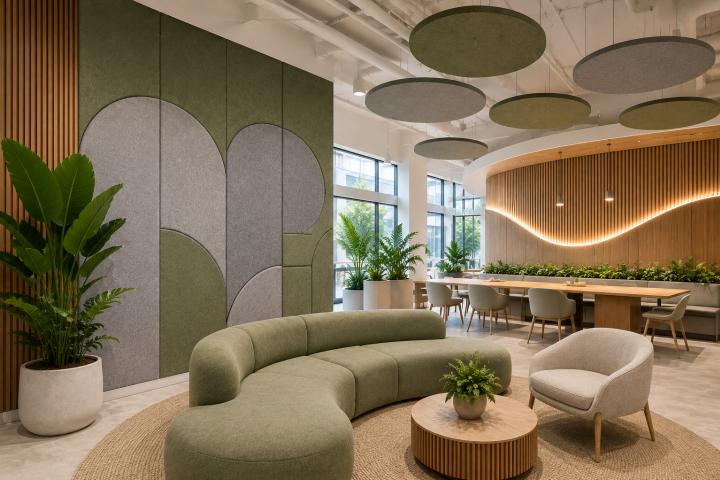
One of the biggest misconceptions about Acoustic Panel solutions is that they sacrifice aesthetics for functionality. In reality, modern Acoustic Board Panels are anything but boring. Available in a wide array of colors, textures, sizes, and finishes, these panels can be customized to align perfectly with your brand identity or interior theme.
From minimalist to bold, geometrical to organic, these panels can serve as eye-catching art installations, feature walls, or subtle design backdrops — all while delivering measurable acoustic benefits.
Why Use Acoustic Boards For Walls?
The use of Acoustic Boards For Walls offers several tangible advantages:
1. Noise Reduction & Sound Clarity
First and foremost, Acoustic Wall Panels help create a calm and quiet environment. In office settings, they reduce ambient noise, making it easier for employees to concentrate. In educational institutions, they improve speech intelligibility, which is vital for effective learning. In hospitality or healthcare environments, they help create serene spaces that enhance comfort.
2. Improved Productivity and Well-being
Numerous studies have shown that acoustic comfort directly impacts productivity and mental well-being. A well-balanced acoustic environment reduces cognitive fatigue, lowers stress levels, and supports focus. With Acoustic Board Panels, it's possible to achieve these benefits without compromising on visual appeal.
3. Design Freedom
Thanks to advances in manufacturing and customization, Acoustic Boards For Walls now come in various patterns, finishes, and even printable surfaces. This allows architects and designers to integrate acoustic performance seamlessly into their design concepts, whether the goal is to maintain a clean corporate look or introduce vibrant, artistic energy into a space.
4. Easy Installation & Maintenance
Most Acoustic Wall Panels are lightweight and easy to install on drywall, wood, or metal surfaces using adhesives, screws, or mounting systems. Many of them are also easy to clean and maintain, making them ideal for high-traffic areas.
Applications Across Sectors
The use of Acoustic Board Panels isn’t limited to one type of space. Here's how they bring value across different sectors:
Corporate Offices: Enhance employee focus and meeting room effectiveness.
Educational Institutions: Improve auditory learning environments in classrooms and lecture halls.
Healthcare Facilities: Reduce noise for patient comfort and recovery.
Hospitality Spaces: Improve ambiance in hotel lobbies, restaurants, and conference rooms.
Retail Stores: Create enjoyable shopping experiences by reducing distracting background noise.
Residential Interiors: Add luxury and comfort to home theaters, study rooms, and living areas.
Sustainable Acoustic Solutions
As sustainability becomes a key concern in design and construction, Acoustic Panel manufacturers are developing eco-friendly options made from recycled materials or natural fibers. PET-based Acoustic Boards For Walls, for instance, are often made from post-consumer plastic bottles and are both recyclable and low-emission.
These sustainable panels not only help reduce your carbon footprint but also contribute to green building certifications like LEED and WELL, supporting healthier interior environments.
Tips for Choosing the Right Acoustic Panel
When selecting Acoustic Board Panels for your space, consider the following:
Acoustic Performance: Check the Noise Reduction Coefficient (NRC) rating — a higher NRC means better sound absorption.
Material Type: Choose materials that suit your space's aesthetic and functional needs — fabric, PET, wood, or hybrid composites.
Design & Customization: Select a panel >
Fire Safety & Compliance: Ensure that the panels meet fire safety standards and local building codes.
Budget & Durability: Find a balance between cost, quality, and long-term durability.
Final Thoughts
Designing for acoustic comfort is no longer just a technical requirement — it’s a strategic move toward creating better environments. Whether you’re designing a new office, remodeling a school, or upgrading a hotel, integrating Acoustic Wall Panels can dramatically enhance the experience of the space.
They are a sound investment — pun intended — that deliver on aesthetics, comfort, and performance. With the wide range of Acoustic Panel options available today, achieving harmony between design and acoustics is easier and more impactful than ever.