
Performance is no longer just about how a space functions in modern architecture and interior design — it’s equally about how it feels and looks. One area where form meets function beautifully is in ceiling design, especially with the rising popularity of bold and aesthetically pleasing Acoustic Baffle Ceiling systems. These are not just sound-absorbing installations; they are statement pieces, mood-setters, and intelligent design tools that redefine spatial experiences.
Whether you're dealing with noisy workspaces, echoing atriums, or open-plan environments, Acoustic Baffle Ceiling systems are a game-changing solution for architects, interior designers, and acoustic consultants alike. And thanks to advancements in suspension system technologies, they are now more customizable and easier to integrate into any design palette.
What Are Acoustic Baffle Ceilings?
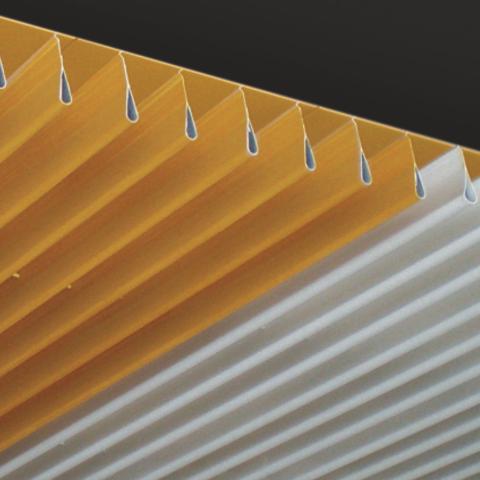
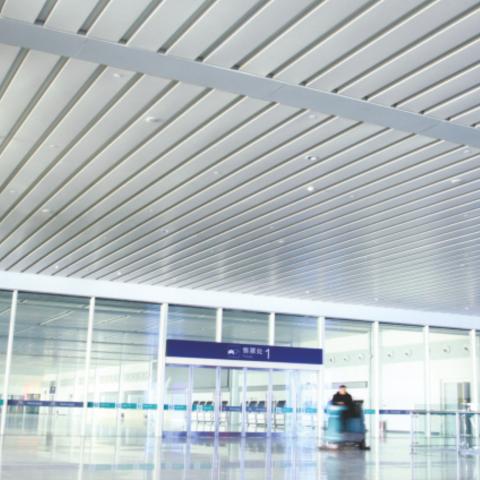
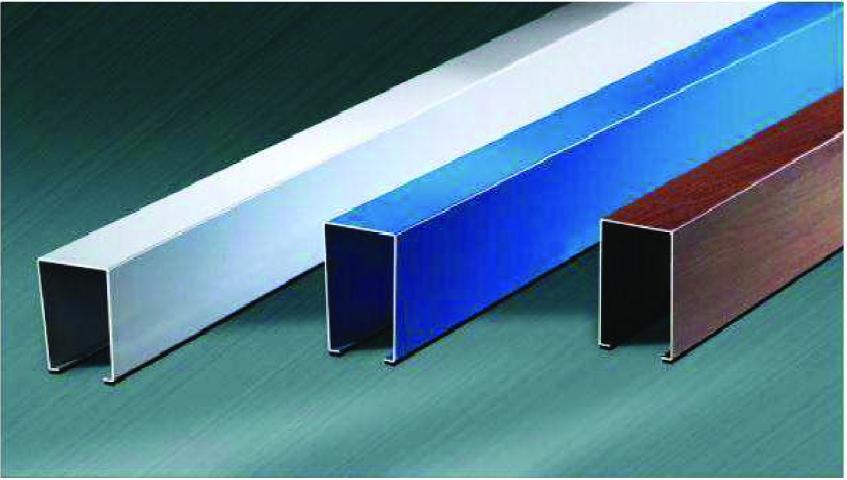
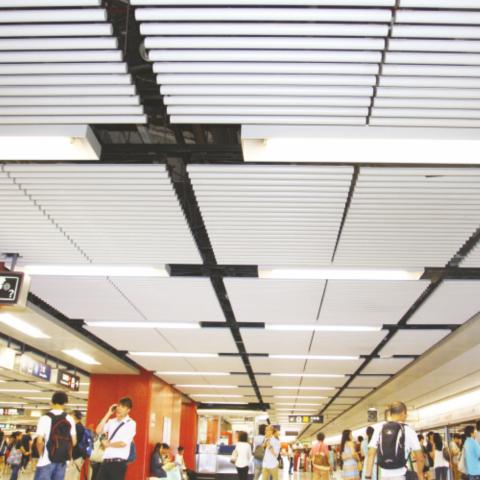
An Acoustic Baffle Ceiling is a vertically suspended acoustic solution made up of individual panels (baffles) that hang down from the ceiling in rows. Unlike horizontal tiles or full ceiling coverings, baffles allow for an open ceiling look while significantly reducing noise levels by absorbing sound from multiple directions. These systems break the monotony of conventional ceilings while introducing rhythm, texture, and dynamic lines to the visual space.
They are particularly ideal for areas with high ceilings like airports, offices, schools, auditoriums, and commercial interiors where both sound control and aesthetic appeal are important.
Why Choose Acoustic Baffles Over Traditional Panels?
The benefit of a Suspension System Acoustic Solution like the baffle ceiling lies in its simplicity and flexibility. While horizontal Acoustic Panels for Ceilings are effective, baffles provide a 360-degree exposure to sound waves, absorbing noise from above, below, and all around. This makes them ideal for controlling reverberation and ensuring crystal-clear acoustics.
Moreover, baffles can be installed in an endless array of patterns—linear, staggered, clustered—allowing designers to play with scale, spacing, and rhythm. They also provide better airflow and light penetration, making them a popular choice in sustainable building designs and WELL-certified spaces.
Aesthetic Edge: Art Meets Acoustics
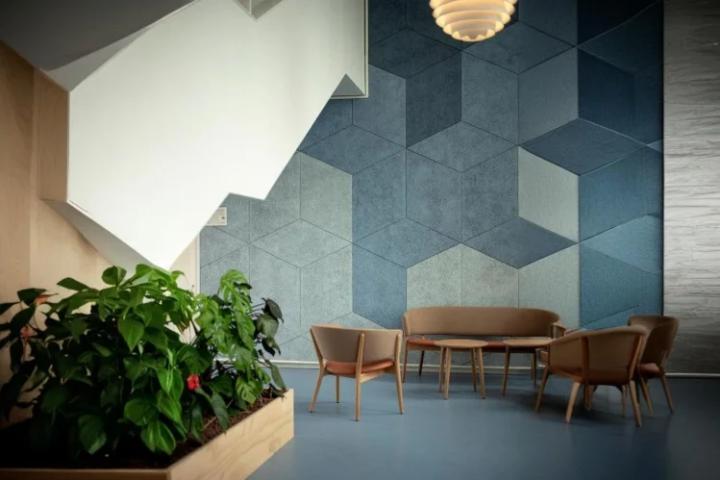
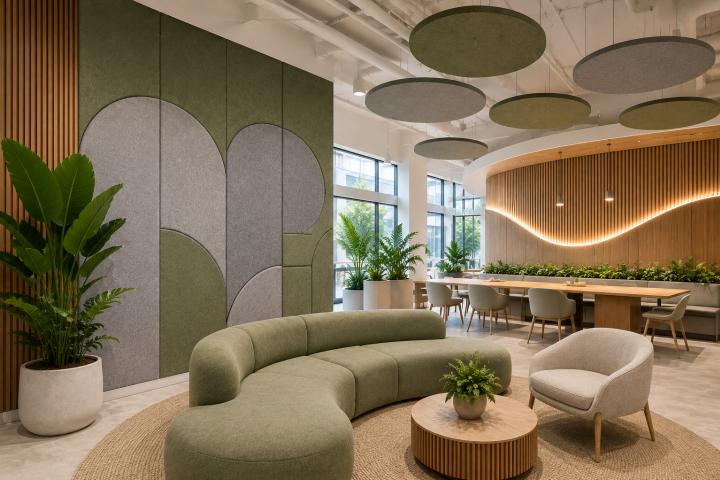
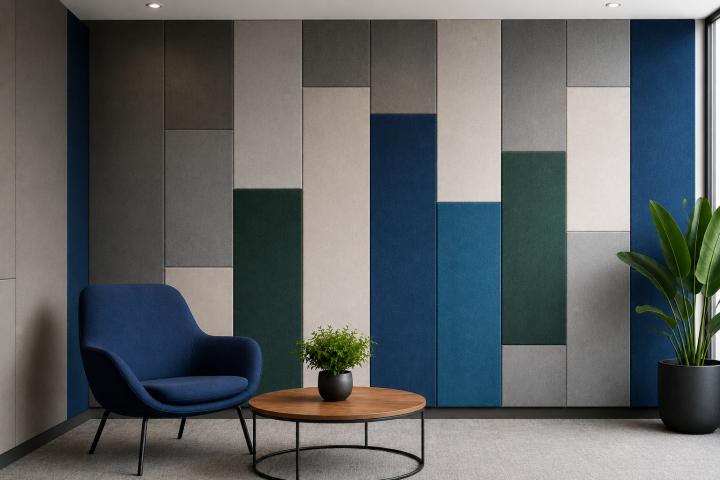
The modern Acoustic Baffle Ceiling is not just a noise controller; it’s a piece of architectural art. Available in various shapes, colors, finishes, and materials—from felt and fiberglass to wood and metal—baffles are a dream come true for designers who want their spaces to be both functional and fabulous.
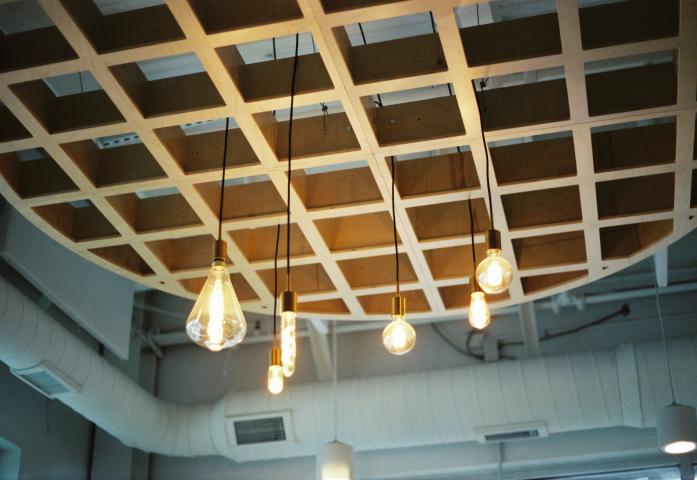
Want to add drama to your ceiling? Go for oversized baffles in bold hues. Prefer something subtle and natural? Opt for wooden finishes that echo organic aesthetics. Looking to make your brand colors pop? Custom-colored baffles offer that visual edge.
Pair this with integrated lighting, and you can create sculptural ceilings that define a room’s identity without saying a word.
Material Innovations & Customization
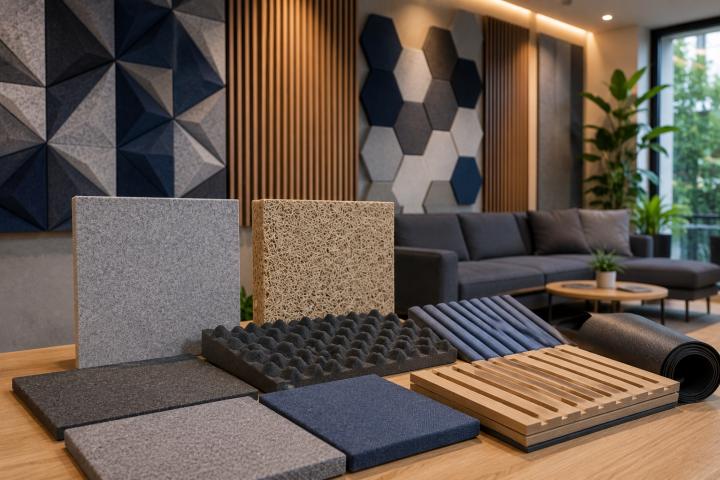
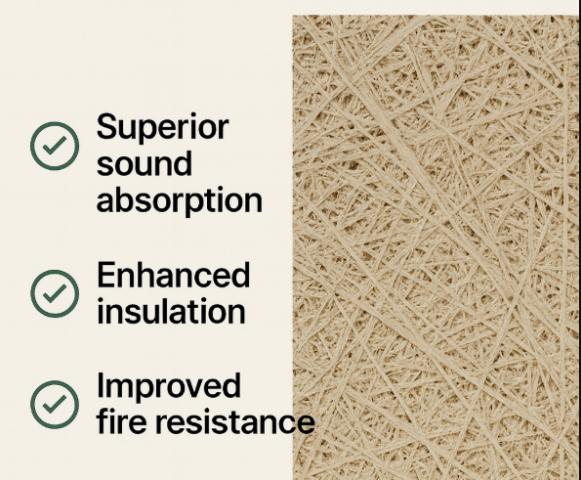
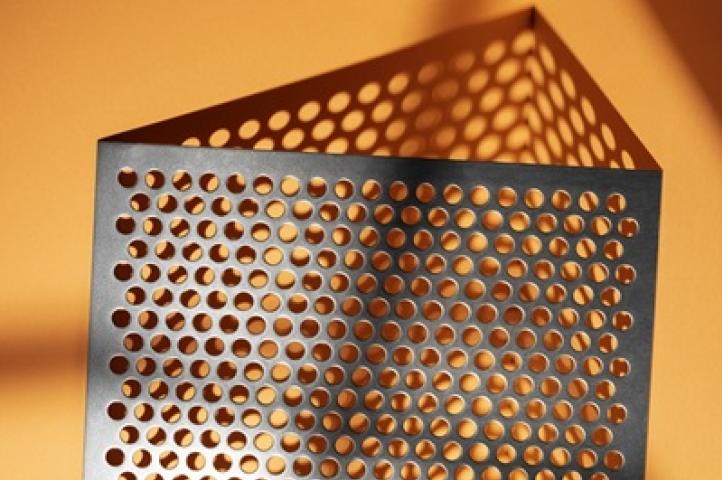
Today’s Acoustic Panels for Ceilings and baffle systems come with advanced materials engineered for optimal sound absorption and fire safety. PET felt, high-density fiberglass, and even perforated metal with acoustic infill are being used to create high-performance, sustainable solutions.
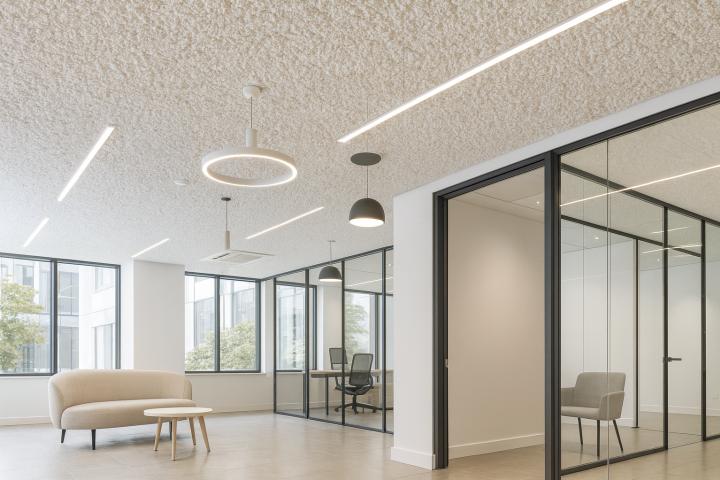
One of the most exciting innovations is the Acoustic Spray Ceiling – a textured, seamless acoustic treatment that can be used alongside baffle ceilings or in adjoining spaces. This synergy creates a unified design language while offering maximum noise reduction.
The Acoustic Spray Ceiling can be applied to hard-to-reach areas or curved surfaces, ensuring that no nook or corner is left untreated acoustically. This makes it a perfect partner for baffles, especially in retrofit projects or irregular ceiling layouts.
Applications Across Industries
Let’s talk use-cases. From corporate offices to hospitality lounges, Acoustic Baffle Ceiling systems are finding homes everywhere:
Corporate Workspaces: Reduce distractions, improve focus, and maintain an open office vibe.
Educational Institutions: Enhance speech clarity and reduce background noise in lecture halls and libraries.
Retail Environments: Ensure a comfortable shopping experience by minimizing echo in large spaces.
Healthcare Settings: Promote a calm and healing environment by eliminating ambient noise.
Restaurants & Cafés: Balance conversations and create intimate dining experiences.
Each of these environments benefits not only from the acoustic benefits but also the aesthetic enhancement of baffle systems.
Installation and Maintenance: Easier than Ever
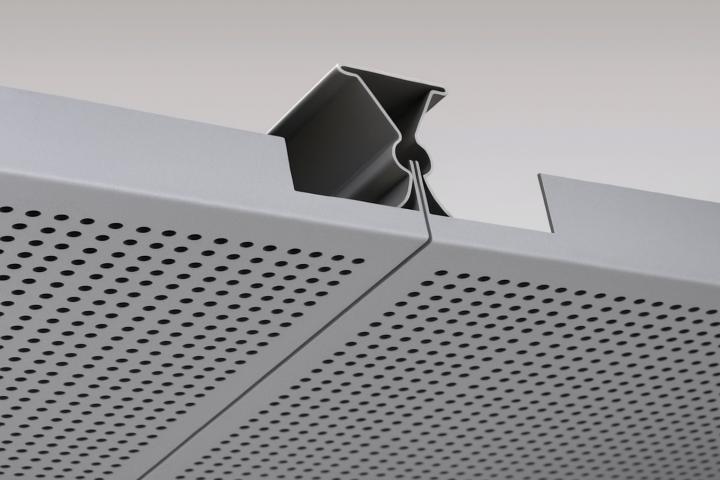
The latest Suspension System Acoustic Solutions come with easy-to-install frameworks that minimize disruption. Whether it’s a new construction or a renovation project, baffles can be installed without altering existing MEP layouts. Many systems offer tool-free attachment and height adjustability, giving installers and designers greater flexibility.
Maintenance is equally straightforward. Most Acoustic Panels for Ceilings, including baffles, are made from materials that resist dust, stains, and sagging. Some models are even washable or come with antimicrobial finishes, making them ideal for healthcare and hospitality applications.
Sustainability Matters
Sustainability is no longer a trend—it's a mandate. That’s why modern Acoustic Baffle Ceiling systems are designed with recyclable materials, low-VOC coatings, and even options made from post-consumer PET bottles. When paired with natural light optimization and smart HVAC layouts, these ceilings contribute significantly to LEED and WELL certifications.
Moreover, using a Acoustic Spray Ceiling in combination with baffles can reduce the need for additional acoustic barriers, thus cutting down material usage and waste.
Final Thoughts
In conclusion, an Acoustic Baffle Ceiling is more than just a ceiling—it’s an acoustic solution, a design statement, and a functional enhancement rolled into one. Whether you're an architect planning a contemporary office, a designer refreshing a retail space, or a facility manager looking to improve acoustics without compromising on >