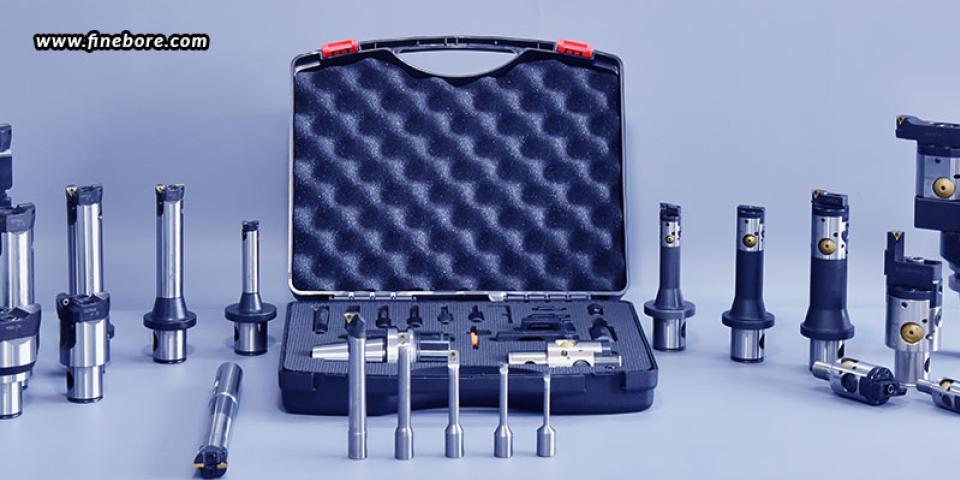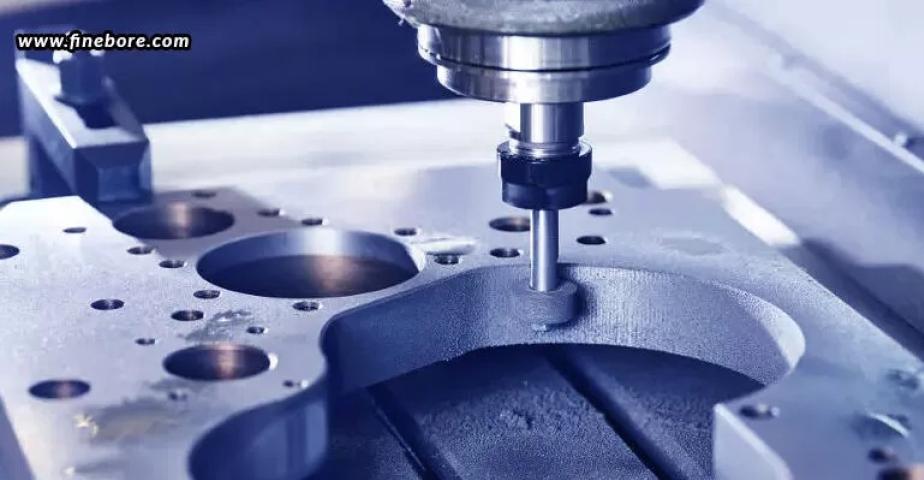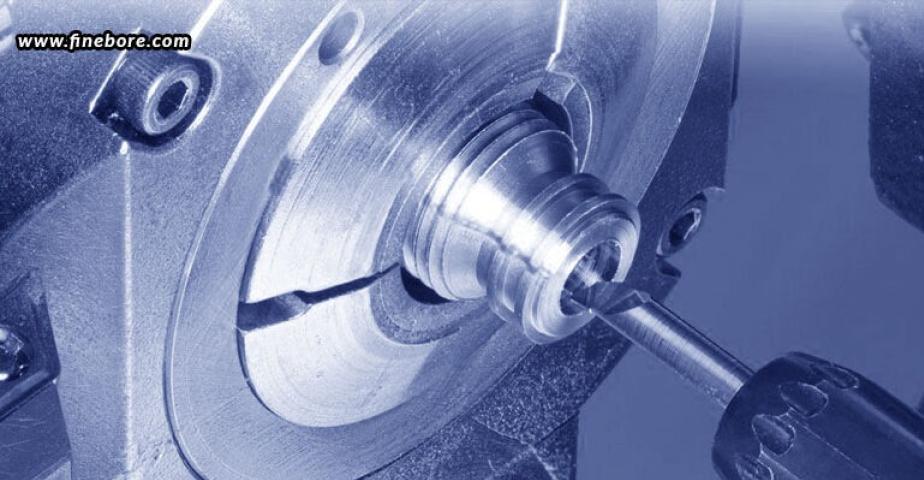

Boring is a crucial step in precision machining that helps create precise internal diameters and excellent surface finishes. However, improper setup and parameter selection can result in machining errors that lower product quality and increase operating expenses. This blog delves into recommended practices for configuring boring heads and maximizing machining parameters, which can help improve performance and avoid common pitfalls.
Boring head setup
The key to attaining high-precision machining is a properly configured boring head. Every stage of the machining process, from choosing the appropriate toolholder to checking spindle speed, has a direct impact on accuracy, tool life, and overall process quality.
Selecting the appropriate toolholder
Select a toolholder that works with the interface and spindle size of your machine. Make sure it offers the degree of rigidity required to reduce vibrations while machining.
Mounting the boring bar
The boring bar should be inserted into the toolholder to the recommended depth. To stop it from slipping, tighten it using the torque recommended by the manufacturer.
Aligning the boring bar
Proper alignment ensures dimensional accuracy and surface finish. To assess concentricity and make any adjustments, use alignment tools or dial indicators.
Checking tool height and offset
Make sure the height of the tool matches the centreline of the workpiece. To ensure constant cutting depth, adjust the offset correctly using precision measuring tools.
Verifying spindle speed and feed rate
Adapt the feed rate and spindle speed to the material and finish you want. For the ideal parameters, consult the tooling manufacturer’s instructions.
Optimizing machining parameters
Optimizing machining parameters can significantly improve surface finish and productivity. Maintaining accuracy while increasing tool performance requires an understanding of how these factors interact with material properties.
Cutting speed
Tool life and surface finish are significantly affected by the cutting speed. A speed that is too low can result in built-up edges, while one that is too high can induce quick tool wear. Adapt speeds according to tooling parameters and the machinability of the material.
Feed rate
Chip formation and surface texture are influenced by the feed rate. A feed that is too high can result in subpar finishes, while one that is too low can cause early wear and tool friction. For the best outcomes, balance is essential.
Depth of cut
Determine the depth of cut by considering the requirements for roughing or finishing. Although deeper cuts can improve tool deflection, they are appropriate for roughing. Finishing passes are best accomplished with shallower cuts.
Common mistakes and how to avoid them
Even small errors in setup or machining techniques might result in expensive rework and subpar components. By recognizing and avoiding frequent errors, you may increase the productivity of your tedious procedures and guarantee consistent outcomes.
Inappropriate tool selection: Poor performance may result from using the incorrect insert grade or geometry. Tooling should always be matched to the application and material.
Improper tool clamping: Improper clamping of the tool might result in dimensional inaccuracies due to tool movement. Make sure every part is firmly attached.
Ignoring tool wear: Ignoring tool wear can lead to compromised accuracy and surface finish. Establish routines for inspections and replacements.
Overlooking machine calibration: Poorly aligned machines can yield erratic outcomes. Maintain accuracy by calibrating equipment on a regular basis.
Enhancing performance through fine-tuning
Your boring operations can be improved using advanced fine-tuning approaches. Long-term performance advantages are achieved by these improvements, which also decrease vibration, cycle time, and tool wear in addition to increasing precision.
Use of twin boring heads: Twin cutters can improve balance and shorten cycle times for larger diameters.
Applying anti-vibration methods: To reduce chatter, use support systems or dampened boring bars.
Optimizing chip evacuation: To avoid recutting and tool damage, make sure that chips are removed effectively.
Using cutting-edge tooling technologies: For improved precision, take into account digital boring heads with real-time adjustment capabilities.
Careful setup and parameter adjustment are essential for achieving the best outcomes during boring operations. Manufacturers may significantly reduce errors, increase surface finishes, and boost overall productivity by comprehending the nuances of boring head components, following best practices in setup, and fine-tuning machining parameters.
FineTech Toolings stands out as one of the most trusted precision boring head manufacturers in Bangalore. Known for our high-quality engineering and robust solutions, FineTech Toolings delivers tools designed for accuracy, stability, and longevity. Our expertise supports industries seeking superior machining performance and reliability.
Resource: Read more