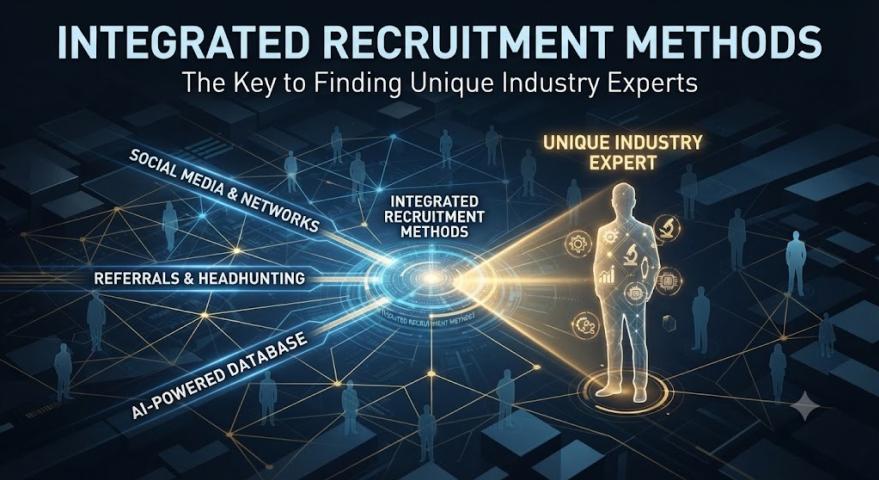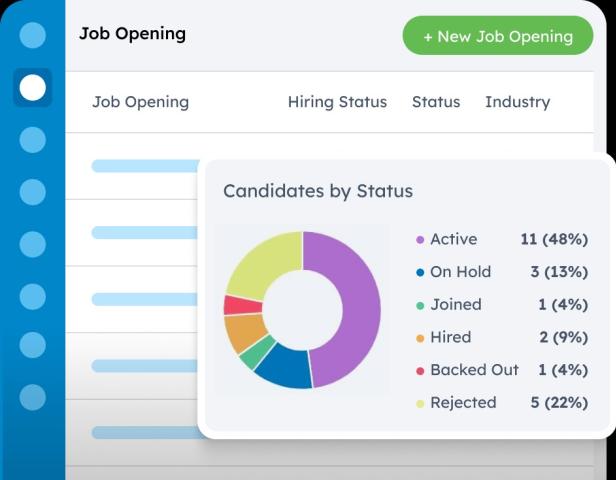

Recruitment is more than just filling positions—it's about finding the right talent quickly and efficiently. As the job market continues to grow more competitive, talent acquisition teams are faced with increasingly higher volumes of applications. Manually sorting through resumes is no longer feasible, and this is where AI resume screeners are making a significant difference.
In 2025, AI-powered tools like RChilli’s resume screening solution are revolutionizing the way organizations approach recruitment. From Oracle and SAP users to HR teams in various sectors, AI-driven resume screeners are designed to streamline the hiring process, enhance candidate quality, and ultimately, improve organizational efficiency.
This blog will explore the benefits of AI resume screening, how it boosts recruiter productivity, and why it is an indispensable tool for talent acquisition teams looking to stay ahead in today’s competitive hiring landscape.
For a deeper dive into AI-powered resume screening, check out RChilli’s approach to resume screening with AI.
What Is an AI Resume Screener?
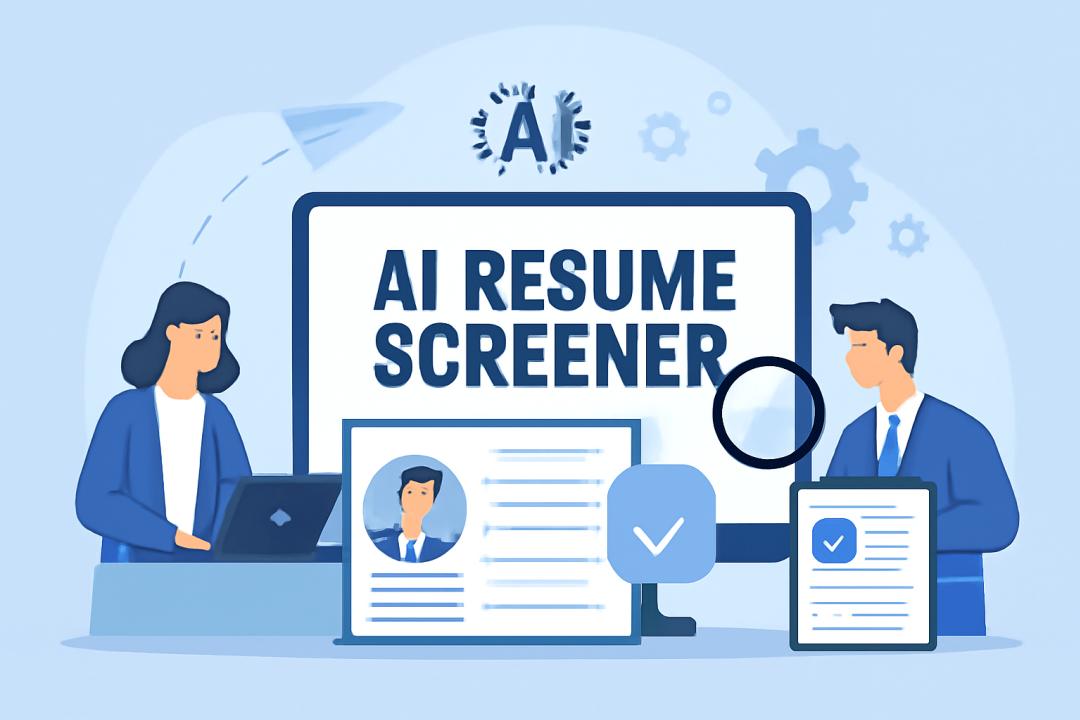
An AI resume screener is a software solution that uses Artificial Intelligence (AI) and Machine Learning (ML) to automate the process of screening resumes. This technology is designed to analyze resumes, extract relevant information, and match candidates with the job descriptions based on predefined criteria. Unlike traditional manual resume screening, which can be time-consuming and prone to error, AI resume screeners ensure that the process is efficient, accurate, and unbiased.
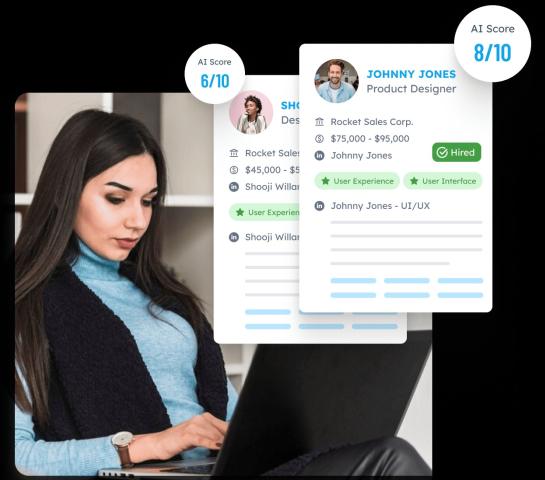
The AI resume screener works by reading resumes, analyzing the data within them, and assessing the relevance of the applicant’s qualifications. By scoring and ranking candidates based on their fit for the position, the tool helps recruiters and hiring managers focus on the best applicants.
The Pain Points AI Resume Screeners Address for Recruiters
Recruiters are constantly juggling multiple roles, and one of their most tedious tasks is reviewing resumes. Here are some of the common pain points AI resume screeners address:
1. Time-Consuming Resume Review
Recruiters often find themselves spending hours, sometimes even days, reviewing resumes for a single job posting. With AI resume screeners, this process becomes instantaneous. AI can analyze hundreds of resumes in minutes, saving recruiters time and allowing them to focus on more critical tasks, such as interviewing top candidates.
2. Overwhelming Volume of Applications
In a world where job postings attract thousands of applicants, it’s easy for recruiters to become overwhelmed. AI-powered resume screeners can easily handle high volumes of resumes, ensuring that no candidate is overlooked. Whether you have hundreds or thousands of applicants, AI can rank and filter them based on the most relevant qualifications and skills.
3. Inconsistent Screening and Bias
Human recruiters, no matter how diligent, are prone to biases—whether unconscious or not. AI resume screeners eliminate this bias by evaluating candidates based purely on qualifications, experience, and skills, ensuring a fairer and more consistent screening process.
4. Handling Complex Formats and Different File Types
Resumes are often submitted in a variety of formats, including PDFs, DOCX, and even image-based resumes. AI resume screeners can read and analyze all types of formats, ensuring that recruiters don’t miss out on qualified candidates because of file incompatibilities.
How AI Resume Screeners Work: The Technology Behind the Process
1. Optical Character Recognition (OCR)
OCR is a crucial technology used in AI resume screeners. When candidates submit scanned or image-based resumes, OCR software can recognize the text in these formats and convert it into machine-readable data. This allows AI systems to process resumes that are not in standard text format, ensuring that all applications are considered.
2. Natural Language Processing (NLP)
Once the text is extracted, Natural Language Processing (NLP) comes into play. NLP allows the AI to understand the context and meaning behind the words used in a resume. This ensures that the system doesn’t just match keywords, but also understands the relevance of the qualifications, making the process much more efficient and accurate.
For example, NLP can differentiate between “software development” and “front-end development,” ensuring that candidates are correctly matched to job descriptions that require specific expertise.
3. Machine Learning (ML) for Continuous Improvement
Machine Learning is an integral part of AI resume screening. As the system processes more resumes, it learns and improves its ability to assess resumes. This continuous learning process makes AI resume screeners more effective over time, allowing the system to adapt to evolving job descriptions and resume formats.
Key Features of AI Resume Screeners
1. Advanced Candidate Matching
AI resume screeners excel at matching resumes to job descriptions. By assessing both explicit and implicit qualifications, these tools can rank candidates based on how closely their experience and skills align with the requirements of the job.
2. Semantic Search and Analysis
AI tools can perform semantic analysis, which goes beyond keyword matching. By understanding the context in which keywords appear, the AI can assess whether a candidate’s skills or experience are truly aligned with the job. This eliminates the problem of candidates being missed due to slight variations in phrasing.
3. Candidate Ranking and Shortlisting
After analyzing the resumes, the AI automatically ranks candidates based on their fit for the role. This means recruiters no longer have to sift through endless resumes to find the best candidates. The AI will do that job for them, leaving them with a refined list of top contenders.
4. Bias-Free Screening
AI resume screeners eliminate the potential for unconscious bias that can affect human recruiters. By focusing solely on the qualifications and experience outlined in the resume, AI tools create a more objective and equitable hiring process.
Benefits of AI Resume Screeners for Talent Acquisition Teams
1. Time and Cost Efficiency
AI-powered resume screeners save time, which directly translates into cost savings for your recruitment team. In fact, Forrester’s 2025 HR Tech Insights report estimates that AI-powered recruitment tools reduce hiring time by 40%, allowing recruiters to focus on high-value tasks.
2. Improved Candidate Quality
With AI’s ability to analyze resumes deeply, only the most qualified candidates are shortlisted. This increases the overall quality of hires, ensuring that your recruitment team spends more time engaging with high-potential candidates.
3. Scalability for Large-Scale Hiring
Whether you're hiring for a few positions or hundreds, AI resume screeners scale effortlessly to meet your needs. Recruiters using AI can handle large volumes of applicants with ease, making it an ideal solution for high-volume recruitment periods, such as job fairs or company expansions.
4. Streamlined Candidate Experience
For candidates, the use of AI in resume screening can lead to faster responses and a more transparent process. With AI resume analyzers, candidates know that their qualifications are being assessed fairly and efficiently, improving their experience with your organization.
Challenges and Considerations
1. Over-Reliance on Keywords
While AI resume screeners are efficient, they still depend on keywords and phrases. This can sometimes result in highly qualified candidates being overlooked if their resumes do not use the same exact keywords or language that the AI is looking for.
2. Handling Creative Resumes
AI resume screeners may not always be able to process creative or non-traditional resumes, such as those with graphic designs or videos. As the technology advances, however, more solutions are being developed to address these types of resumes.
3. Algorithm Transparency
It is crucial to ensure that AI resume screening algorithms are transparent and fair. Recruiters should be able to understand how the system makes decisions to ensure that the process is ethical and free from hidden biases.
FAQs About AI Resume Screeners
1. How accurate are AI resume screeners?
AI resume screeners are highly accurate, with most systems achieving 95% accuracy in matching resumes to job descriptions. However, accuracy improves as the AI is trained with more data over time.
2. Can AI resume screeners handle different resume formats?
Yes, AI resume screeners can process various resume formats, including PDFs, DOCX files, and even scanned resumes using OCR technology.
3. Are AI resume screeners suitable for small businesses?
Yes, AI resume screeners are scalable and can be tailored to businesses of all sizes. For small businesses, many providers offer affordable pricing plans and scalable features that grow with your hiring needs.
4. What are the costs of AI resume screening tools?
The cost of AI resume screeners varies based on the features, integrations, and resume volume. Many tools offer flexible subscription pricing, making them accessible for both small businesses and large enterprises.
5. How can job seekers optimize their resumes for AI screening?
Job seekers can optimize their resumes by using standard headings (e.g., “Experience,” “Skills”, and “Education”), incorporating relevant keywords from the job description, and avoiding overly creative formats.
Conclusion
AI resume screeners are transforming recruitment processes across industries. They not only increase efficiency but also help improve candidate quality and ensure a more unbiased, consistent approach to hiring. By automating resume screening, RChilli’s AI-powered solution and similar tools empower talent acquisition teams to focus on the most promising candidates, while also improving their bottom line.
To explore how AI resume screening can enhance your recruitment process, check out RChilli’s AI-powered resume screening solution and take the first step toward a smarter, more efficient hiring process.