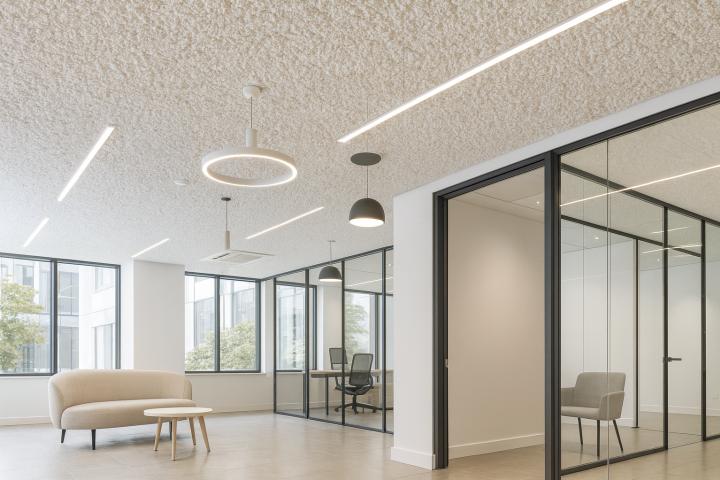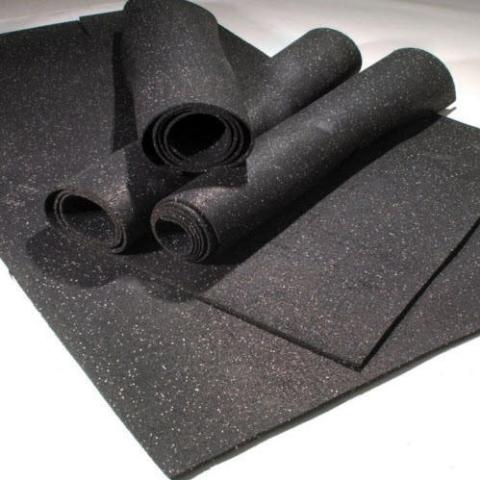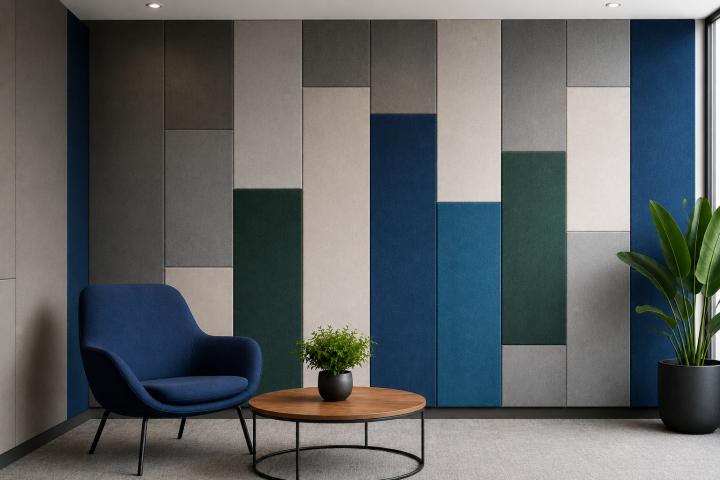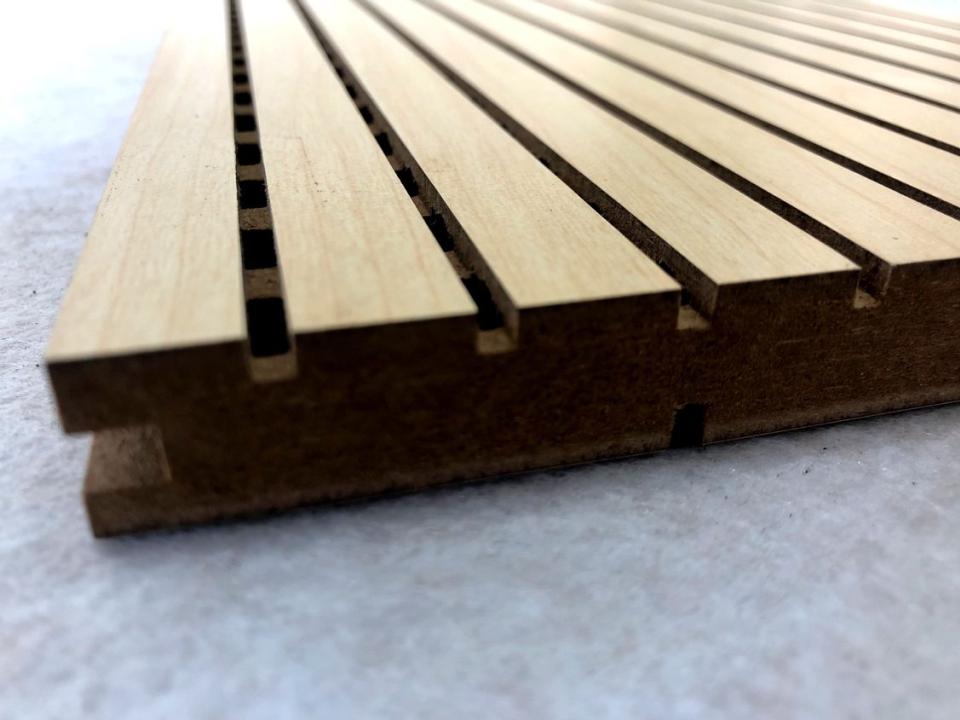

In the world of modern design, it’s no longer just about how a space looks; it’s about how it feels and functions. For architects and interior designers crafting spaces that blend aesthetics with performance, acoustic wall panels have become a secret weapon. They don’t just control sound, they elevate the entire spatial experience.
Whether it’s a corporate boardroom, luxury residence, hospitality lounge, or creative studio, acoustic performance is now considered a core element of great design. If you’re still thinking of acoustic treatment as an afterthought, it’s time to flip the script.
Why Acoustics Are Central to Modern Design
Open-plan layouts, glass partitions, and high ceilings, all staples of contemporary design, come with one major downside: sound reflection. Reverberation, echo, and background noise can undermine the functionality of even the most visually stunning interiors.
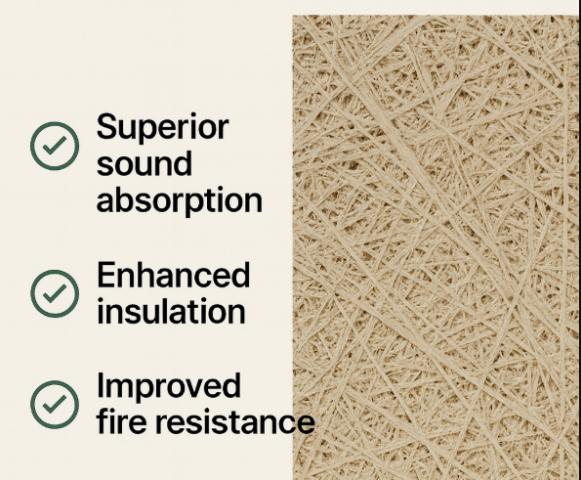
This is where acoustic wall panels shine. These engineered panels absorb and diffuse sound, helping to create calmer, clearer, and more productive environments. Whether you're managing speech intelligibility in an office or enhancing ambiance in a high-end living room, acoustic panels deliver results that clients can hear and appreciate.
Acoustic Wall Panels That Complement Your Vision
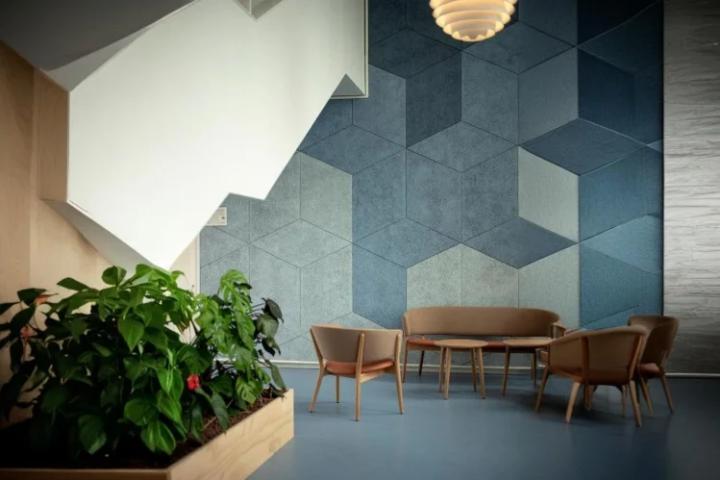
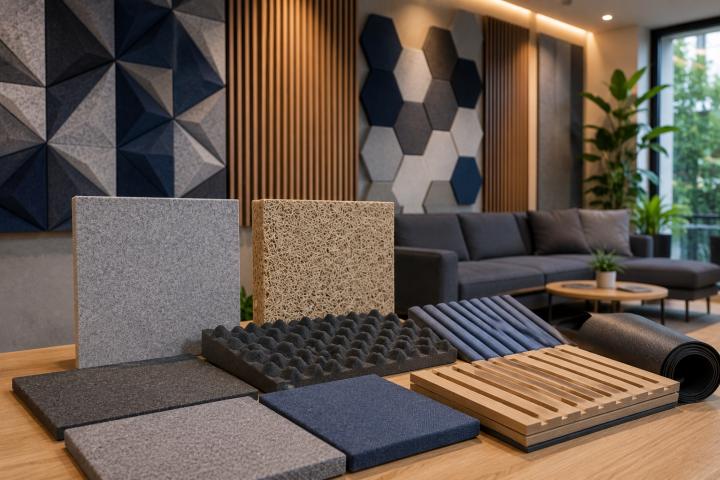
Gone are the days of clunky, uninspiring acoustic treatments. Today’s acoustic wall panels are sleek, customizable, and made to complement high-end interiors. Choose from fabric-wrapped panels, slatted wooden designs, 3D sculptural forms, or even printed panels that double as art.
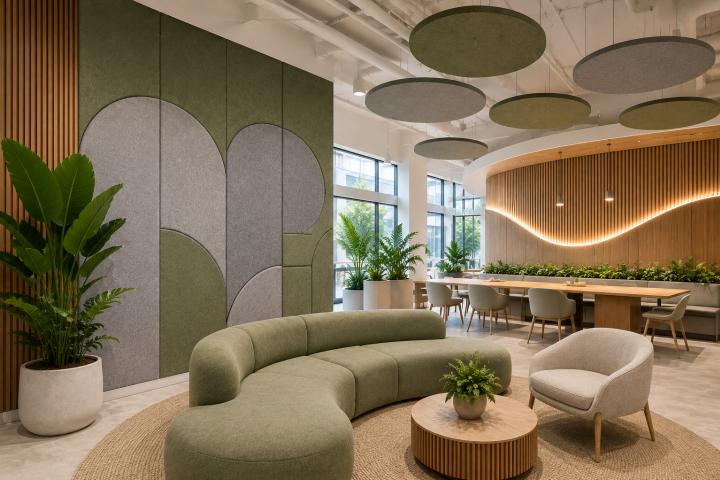
For designers and architects, this means you no longer have to compromise form for function. You can integrate acoustic solutions that align perfectly with your design language, be it modern minimalism, industrial chic, or biophilic wellness spaces.
Where Acoustic Wall Panels Make the Most Impact
1. Workspaces & Conference Rooms:
Boost focus, reduce noise distractions, and enhance speech clarity with smartly placed panels behind workstations, meeting rooms, and collaborative areas.
2. Residential Interiors:
From media rooms and open-plan kitchens to bedrooms and stairwells, acoustic panels help create privacy and comfort in even the most stylish homes.
3. Hospitality & Retail:
Create immersive, pleasant experiences in restaurants, lobbies, spas, and stores. When guests feel the difference, they remember the space.
4. Cultural & Educational Spaces:
In schools, libraries, museums, and auditoriums, acoustic wall panels are vital for maintaining sound quality without sacrificing design.
Functionality Meets Sustainability
Designers today are not only expected to create beautiful, functional spaces — they’re also asked to consider environmental impact. Many leading acoustic wall panels are made from recycled or sustainable materials, with options that meet LEED and WELL standards. Think PET felt from recycled bottles, FSC-certified wood slats, or low-VOC fabric coverings.
Acoustic design isn’t just better for people — it’s better for the planet, too.
Easy to Specify, Simple to Install
Another reason interior designers love acoustic wall panels? They’re easy to specify, ship, and install. With modular sizes, frameless edges, or adhesive-mount systems, they’re versatile enough for both new builds and retrofits. Whether you’re working on a tight timeline or a detailed custom project, acoustic panels adapt to your workflow.
Final Takeaway: Design That Listens
In today’s interiors, sound is just as important as sight. Acoustic wall panels empower interior designers and architects to take control of the auditory experience, without compromising on beauty or design integrity. So, the next time you’re crafting a standout interior, don’t just design for the eyes. Design for the ears, too.
Ready to elevate your next project with acoustic precision and visual impact?
Discover how acoustic wall panels can transform your space and your client’s experience.