
In a world where technology is reshaping every inch of our built environment, smart buildings are no longer a futuristic concept, they are the new normal. These connected spaces are defined by their integration of intelligent systems that enhance energy efficiency, comfort, security, and productivity. But as these buildings evolve in intelligence, one aspect often underestimated is the quality of their acoustic environment. That's where the fusion of acoustic treatment with smart building infrastructure becomes not just relevant but essential.
Silence Issue: Acoustics in Intelligent Spaces
Imagine a high-tech office with automated lighting, AI-powered HVAC systems, and sensor-driven utilities—but employees still struggle to concentrate because of excessive noise or poor sound quality. The irony is striking. In many smart buildings, sound remains the "silent issue", often overlooked until it starts affecting performance, well-being, or communication.
Enter acoustic treatment, the science of managing how sound behaves within a space. Whether it's absorbing, diffusing, or blocking sound, a well-designed acoustic treatment plan is crucial for creating environments that support focus, clarity, and collaboration.
Rethinking Acoustic Materials in Smart Environments
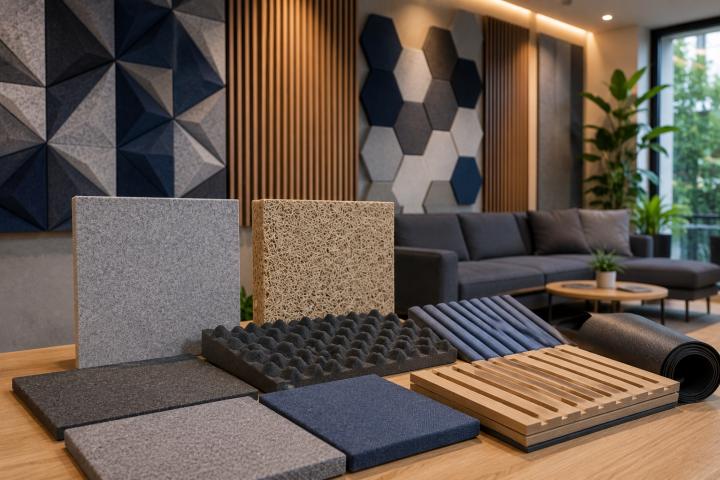
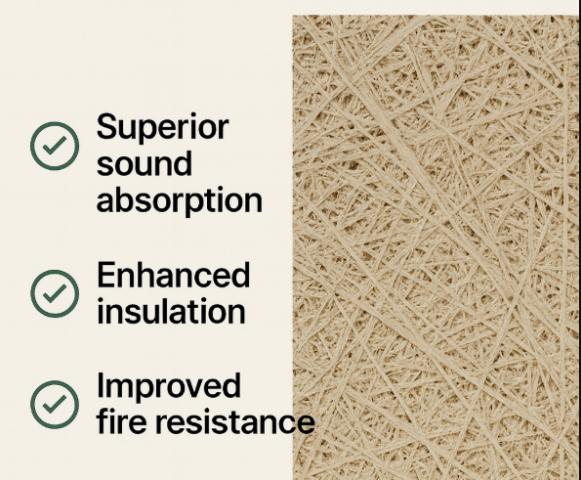
Today's acoustic materials are far more than foam panels or decorative wall hangings. With innovations in fabric, fiber, and geometry, they are designed to perform under diverse conditions. But what's truly exciting is how these materials can now be embedded into the smart ecosystem.
Imagine ceiling baffles that not only absorb sound but also integrate with IoT sensors to detect ambient noise and adjust building systems accordingly. Or wall panels made of sustainable acoustic materials that contribute to air purification and thermal regulation while optimizing reverberation.
In essence, the evolution of acoustic materials is aligning perfectly with the principles of smart design—multifunctionality, responsiveness, and sustainability.
How Analytics are Enhancing Acoustic Strategy?
One of the most transformative benefits of smart buildings is their ability to collect and process data. This same intelligence can be harnessed for acoustics. For example, real-time sound monitoring systems can identify areas with consistently high decibel levels and recommend tailored acoustic treatment solutions.
Moreover, building managers can use analytics to map out noise patterns over time. This allows for dynamic adjustments, such as deploying mobile acoustic materials or modifying the spatial layout based on noise distribution. It’s not just about eliminating sound—it's about optimizing it in context.
Acoustics are Part of the Smart Building Ecosystem
In connected spaces, every component must speak the same digital language. That means acoustic treatment cannot be treated as an afterthought or a stand-alone feature. It must be integrated with other systems—lighting, HVAC, and occupancy management—to achieve true synergy.
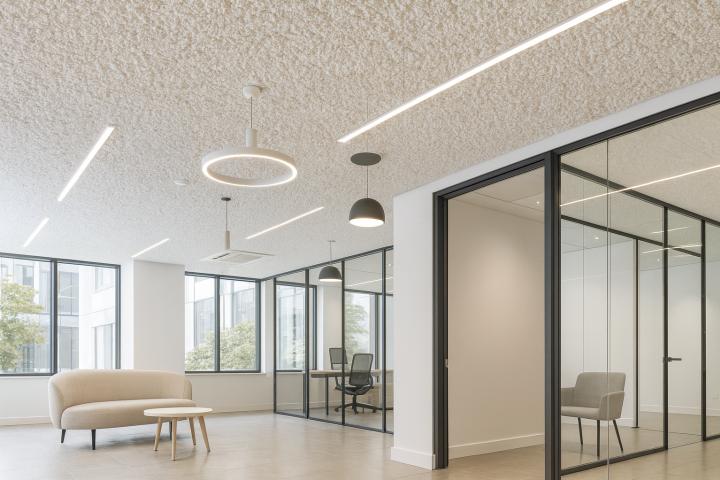
For instance, smart ceiling systems can house both lighting and acoustic materials, allowing centralized control through a single interface. Similarly, acoustic panels embedded with LED strips or environmental sensors enhance both form and function, aligning with the holistic goals of smart building design.
Wellness at the Core: Acoustics for Human-Centric Smart Buildings
As the spotlight on workplace wellness continues to grow, sound management is emerging as a key contributor to cognitive health, emotional balance, and productivity. Poor acoustics have been linked to increased stress levels, reduced concentration, and communication breakdowns. In contrast, environments with proper acoustic treatment foster mental clarity and comfort.
In educational institutions, healthcare facilities, and corporate campuses, deploying intelligent acoustic materials contributes directly to better learning outcomes, healing rates, and employee satisfaction. These aren't just upgrades,they're investments in human potential.
Design Meets Technology: Aesthetics and Acoustics Go Hand-in-Hand
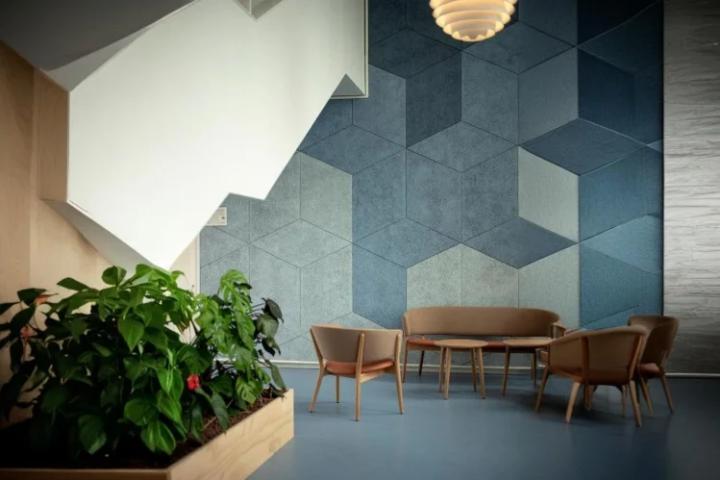
One of the misconceptions around acoustic treatment is that it compromises aesthetics. But in smart architecture, where every design element is intentional, acoustic features are becoming statements of both >
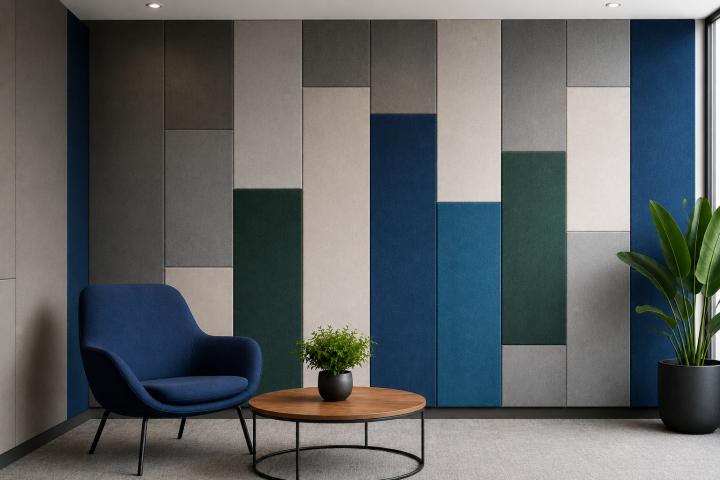
Today’s acoustic materials come in a variety of textures, colors, and customizable formats, made to enhance the visual appeal while delivering exceptional sound control. When integrated with smart lighting or adaptive color schemes, they become part of a dynamic visual narrative that evolves with user needs and moods.
Sustainable Silence: Green Acoustics for Smart, Responsible Architecture
Sustainability is a core pillar of smart buildings, and the same should hold true for their acoustic strategy. The latest generation of acoustic materials includes options made from recycled PET, natural fibers, and low-emission binders. These materials are not only environmentally responsible but also durable, lightweight, and adaptable to modern spaces.
By adopting eco-friendly acoustic treatment methods, developers contribute to LEED certification and ESG goals without compromising performance or aesthetics. It’s a win-win for both the planet and the people.
The Road Ahead: Acoustic Intelligence as a Design Imperative
As we move deeper into the era of connected design, acoustic treatment must evolve from being a supplementary element to a strategic priority. The rise of AI, augmented reality, and hybrid workplaces demands acoustics that adapt in real-time and work in concert with other building systems.
Emerging technologies like sound masking algorithms, voice-command compatibility, and even AI-driven material modulation point to a future where acoustic materials are no longer passive components but active contributors to building intelligence.
Final Thoughts: Building Smarter Means Building Quieter
To truly unlock the promise of smart buildings, we must recognize that intelligence is not just about sensors and automation—it's about empathy and awareness. A smart building that listens is just as important as one that speaks. By weaving acoustic treatment into the digital fabric of our spaces, we create environments that don’t just function better, but feel better too.
The convergence of acoustic materials and intelligent design is not a trend; it's a transformation. And as we continue to build smarter, let’s ensure we’re also building quieter, more thoughtful, and more human-centric spaces. https://www.tranquilglobal.com/contact-us.html