Airports are a symphony of activity—aircraft roaring, rolling trolleys, overhead announcements, bustling crowds, and security alerts blending into one continuous sonic storm. While all this noise is part of the travel experience, it can also be overwhelming and stressful. That’s where modern architectural acoustics comes into play, turning terminals into calmer, more welcoming spaces. One of the unsung heroes of this transformation is the acoustic sheet—specifically designed to soften soundscapes without compromising on design or durability.
Let’s dive into how these innovative materials—especially sound insulation sheets, acoustic sheets, and mass loaded vinyl sheets—are reshaping the acoustic identity of airports worldwide.
1. Terminal Turbulence: Why Airport Acoustics Matter
Airports are built for flow and function, but not always for silence. Their open plans, high ceilings, and reflective surfaces amplify every decibel. From toddlers crying to jet engines idling nearby, the result is a harsh acoustic environment that can be both uncomfortable and disorienting.
In such spaces, noise control is not just a luxury—it’s a necessity. Poor acoustics can affect passenger well-being, reduce worker efficiency, and even interfere with announcements and safety instructions. Hence, integrating acoustic sheets becomes a strategic design decision to enhance overall experience and functionality.
2. The Magic Layer: What Are Acoustic Sheets?
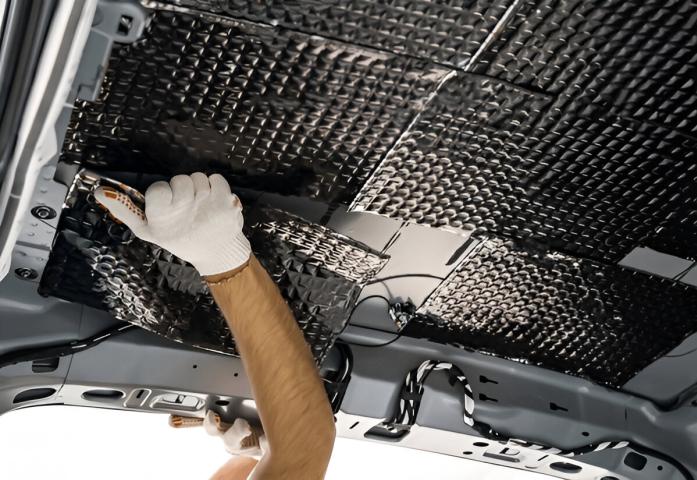
Imagine a thin yet powerful barrier that absorbs, reflects, or blocks sound waves before they scatter across a room—that’s the core function of acoustic sheets. Engineered using dense and flexible materials, these sheets can be installed behind walls, under floors, or within ceilings to dramatically reduce sound transmission.
Different types of sound insulation sheets come with different properties. Some are porous and absorbent, ideal for soaking up ambient noise. Others, like mass loaded vinyl sheets, are dense and designed to block airborne sounds, making them perfect for high-noise zones such as baggage claims or maintenance corridors.
3. Terminal Serenity: How Acoustic Sheets Transform Airports
From waiting lounges to boarding bridges, the proper use of acoustic sheets turns cavernous noise chambers into thoughtfully curated acoustic environments.
Passenger Lounges: Travelers waiting for flights often seek peace. Installing sound insulation sheets in walls and partitions can isolate external noise and create zones of comfort and calm.
Retail and Dining Spaces: Airports today house shopping malls and food courts. Here, acoustic sheets not only reduce echo but also contain music and conversation noise within specific zones, creating a pleasant, non-disruptive shopping experience.
Control Rooms and Offices: Mass loaded vinyl sheets are widely used in airport control rooms and staff workspaces to prevent high-pitched frequencies and low rumbles from seeping through, ensuring focus and operational clarity.
Corridors and Tunnels: Walkways connecting terminals or leading to underground metros often amplify echoes. Here, installing acoustic sheets can soften footsteps and ambient buzz, creating a smoother transit environment.
4. The Mass Loaded Vinyl Edge: Built for Heavy-Duty Silence
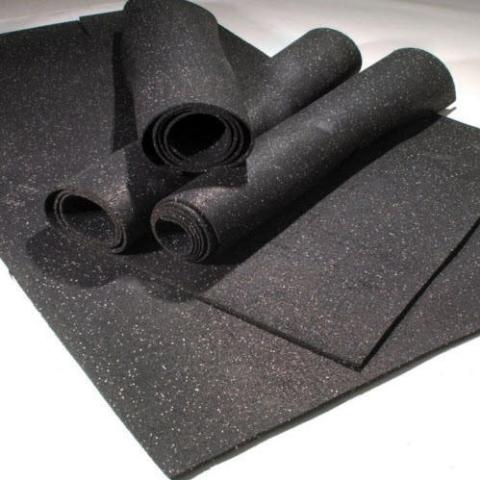
When it comes to sheer performance in sound blocking, mass loaded vinyl sheets are in a class of their own. These heavy-duty sound insulation sheets are made by infusing vinyl with metal particles, increasing mass without adding bulk.
Why is that important in airports?
High-Frequency Blocking: Aircraft noise, PA systems, and HVAC equipment often emit complex high and low frequencies. Mass loaded vinyl sheets are engineered to stop this wide spectrum of sound from leaking between spaces.
Thin Yet Powerful: Unlike bulky traditional barriers, these sheets are easy to install even in space-constrained areas like between drywall layers or under flooring systems.
Durability & Flexibility: Designed to last, mass loaded vinyl sheets are water-resistant, mold-resistant, and retain performance even in the high-humidity environments of airport terminals.
5. Sustainable Silence: Green Goals with Acoustic Performance
Modern airport projects are increasingly aiming for sustainable certifications like LEED or IGBC. This raises the need for materials that not only perform well but are environmentally friendly. Many acoustic sheets today are manufactured using recyclable components and low-VOC formulations, making them suitable for green buildings.
By integrating sound insulation sheets that meet sustainability benchmarks, airports can reduce their carbon footprint while improving acoustic comfort for millions of passengers.
6. Installation Intelligence: Where and How It Works
Installing acoustic sheets isn’t just about layering walls—it’s about strategic placement.
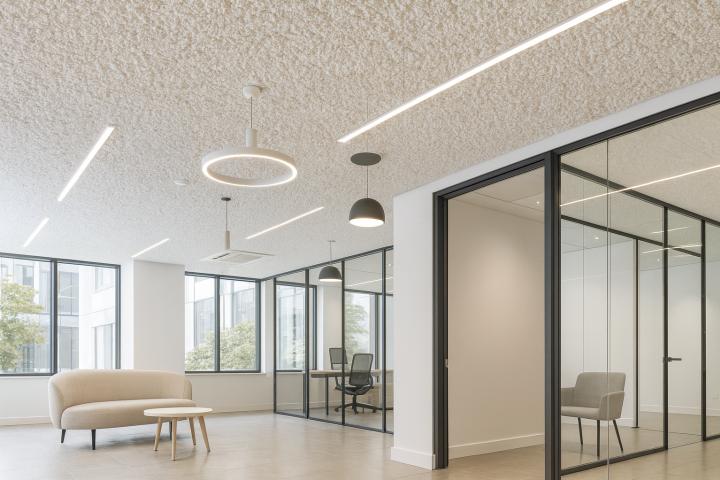
Ceiling Panels: Used above drop ceilings in boarding areas and lounges to reduce reverberation.
Wall Cavities: Placed within walls to block sound from one room to another.
Floor Underlays: Especially in lounges and staff areas, mass loaded vinyl sheets under flooring can significantly reduce impact noise.
Glass and Partition Backings: Applying sound insulation sheets behind glass panels or decorative wall systems adds acoustic depth without visual compromise.
Moreover, these solutions can be integrated during both new constructions and retrofits, offering architects and designers complete flexibility.
7. Future Frequencies: Acoustic Design Trends in Aviation Hubs
As airports evolve into multi-use hubs with coworking lounges, entertainment zones, and even hotels, acoustic needs are becoming more complex.
Emerging trends include:
Hybrid Materials: Combining acoustic sheets with aesthetic panels or LED lighting systems for dual function.
Zonal Acoustics: Segmenting areas acoustically without physical partitions.
Smart Acoustics: Sensor-enabled systems that adapt noise levels by controlling HVAC or music systems based on real-time occupancy.
And at the core of all these innovations lies the continued reliance on high-performance sound insulation sheets like mass loaded vinyl sheets, proving their unmatched role in next-generation airport design.
Conclusion
Airports are no longer just transit zones—they’re global gateways, cultural showrooms, and business centers. With such diverse functions under one roof, ensuring a controlled acoustic environment is crucial for comfort, safety, and productivity.
Whether it's the thump of luggage carts or the roar of departing jets, the chaos of sound can be managed smartly with the right materials. By deploying acoustic sheets, sound insulation sheets, and mass loaded vinyl sheets strategically, airport developers and architects can deliver spaces that feel quieter, calmer, and infinitely more welcoming. https://www.tranquilglobal.com/contact-us.html