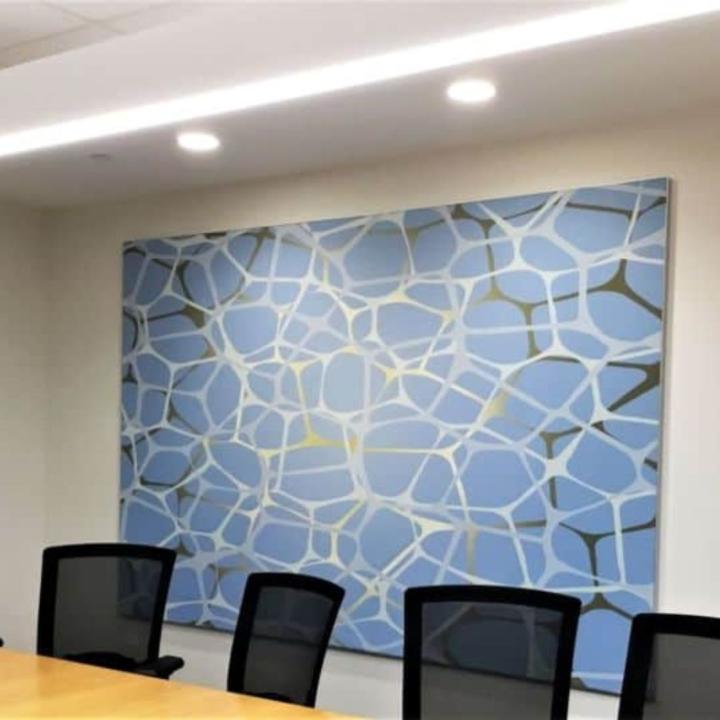
When noise takes its toll, fiberglass acoustic panels come to the rescue. These panels reduce echoes and control sound beautifully. Installation is easy. Pair them with other acoustic treatment materials for maximum effect. Their versatility and performance make them ideal for studios, offices, and home theaters.
What Are Fiberglass Acoustic Panels?
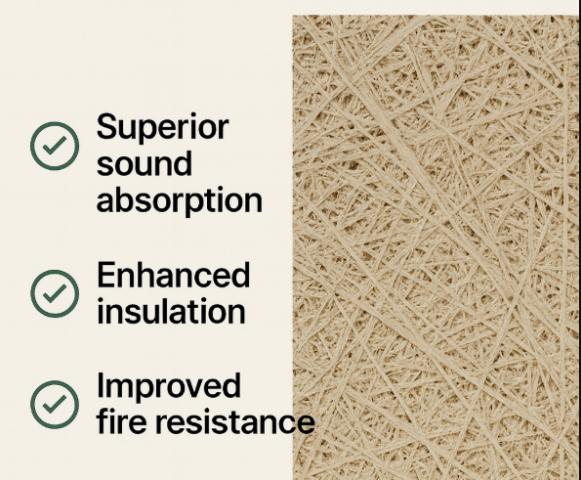
Made from compressed fiberglass fibers, fiberglass acoustic panels trap sound waves efficiently. They absorb mid-to-high frequencies. They are lightweight yet rigid. They resist sagging. They won’t emit dust. They stay safe and stable in most environments. You mount them directly on walls or ceilings. No special structure is needed.
Why Choose Fiberglass Acoustic Panels?
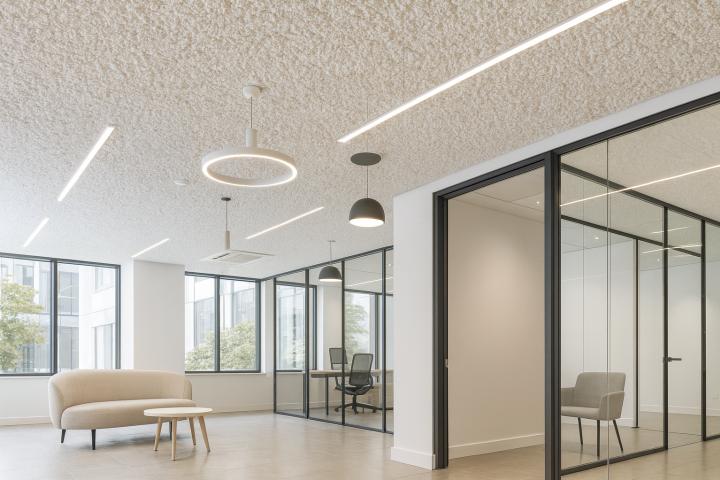
These panels excel at noise reduction. They tame reverberation quickly. They block echoes in large rooms. They bring clarity. They improve speech intelligibility. They smooth out sound. They elevate music quality. They enhance comfort. They prevent sound spill into adjoining spaces. They improve privacy effortlessly.
Combine with Sound Insulation Sheets
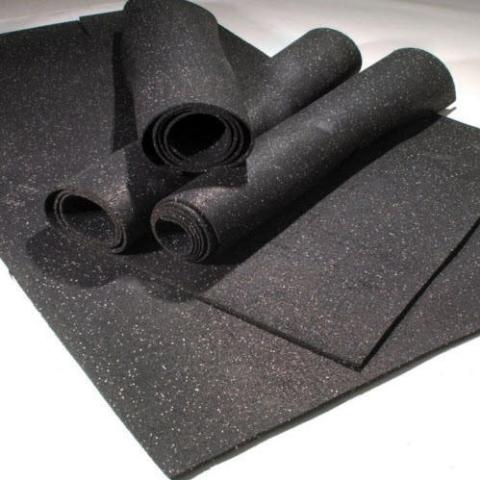
Pair fiberglass acoustic panels with sound insulation sheets to block outside noise. These sheets provide solid mass and seal cracks. They work beneath the panels for double protection. They reduce impact noise. They add thermal insulation. They don’t degrade with time. They resist moisture. They seal gaps around doors and windows. Together, both products form a powerful barrier against noise.
Using Acoustic Panel Material for Custom Designs
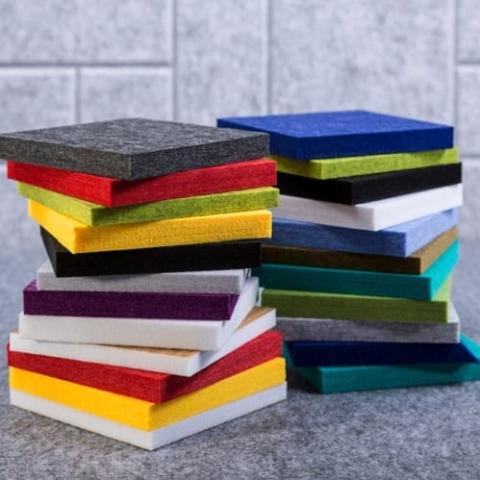
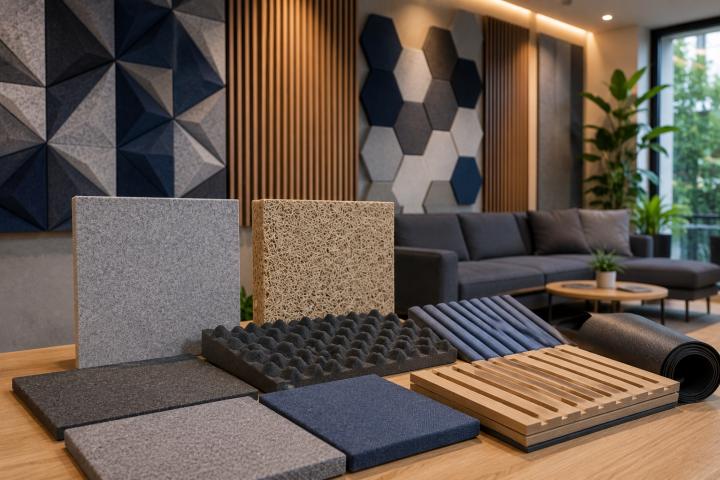
You can customize with fiberglass acoustic panels using creative acoustic panel material combinations. Choose from rigid or flexible types. Wrap them in fabric. Cut them into shapes. Frame them for a polished look. Paint them to match the décor. Mix colors. Use thick or thin panel materials. Use panels behind speakers. Use panel material in hallways. Use panel materials for ceiling baffles. This flexibility makes them fit any aesthetic.
Enhancing Walls with Acoustic Wall Panels
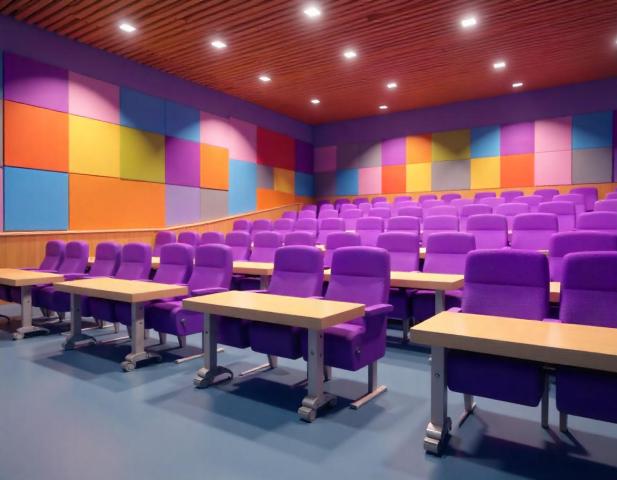
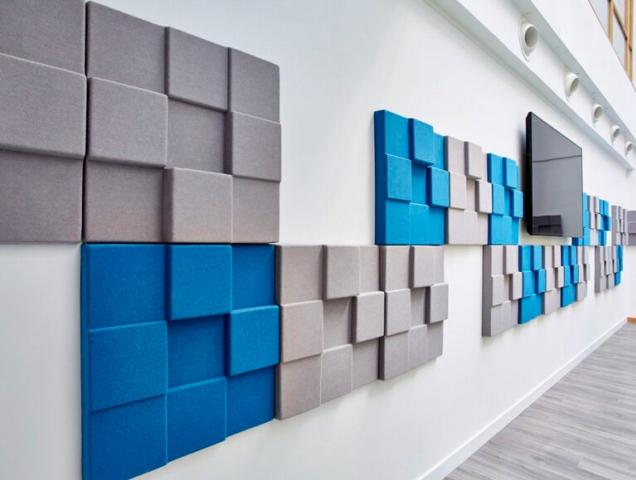
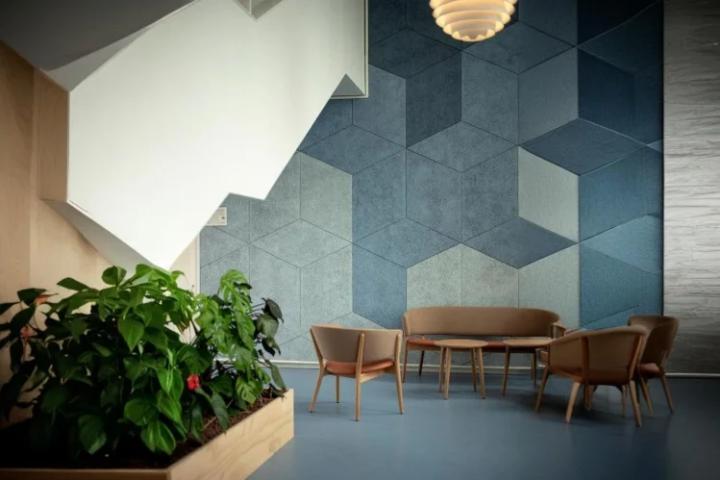
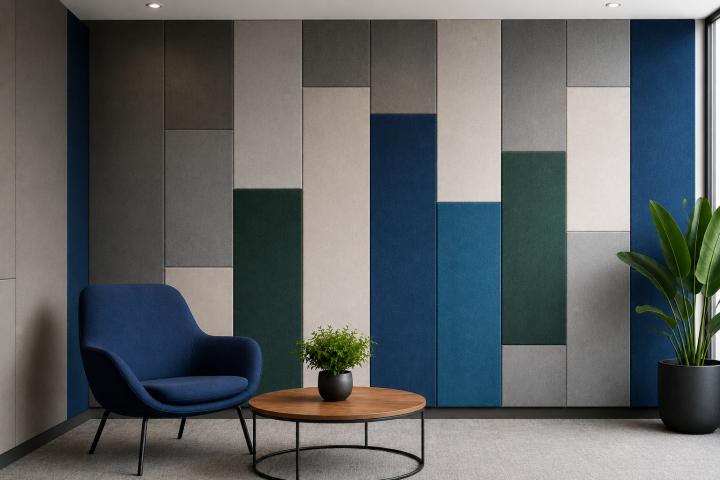
Add fiberglass acoustic panels as decorative acoustic wall panels. Install them in patterns. Cover entire walls. Frame media zones. Place behind headboards. Use in guest rooms. Use in lobbies. Use in classrooms. Use in control rooms. They add >
Layering with Other Acoustic Treatment Materials
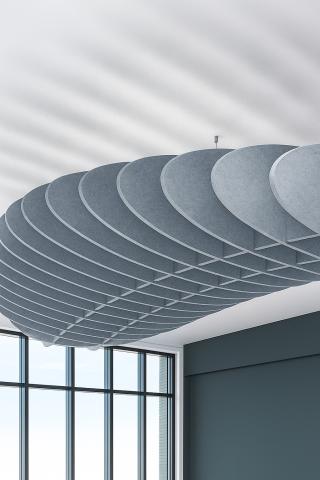
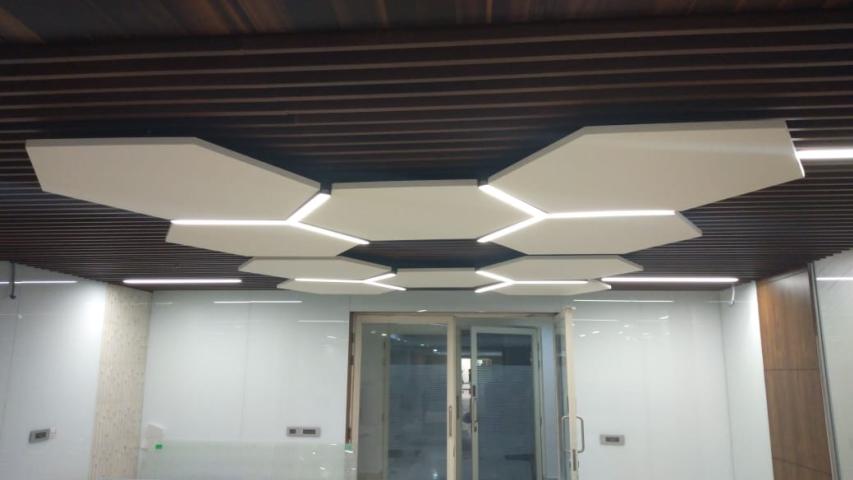
Layer fiberglass acoustic panels with complementary acoustic treatment materials. Add diffusers for balanced sound. Include bass traps for low frequencies. Add foam in crevices. Add ceiling clouds above tables. Use room corner panels. This strategic layering enhances acoustic clarity. This combined approach prevents build-up. This yields true noise control.
Installation Tips
Measure room dimensions carefully. Mark reflection points. Mount fiberglass acoustic panels at first reflection zones. Then install acoustic wall panels evenly across ceilings. Add sound insulation sheets in hidden cavities. Finish with trim and sealing. Use appropriate adhesives or clips. Ensure no panel gaps. Place panel material around speakers and monitors. Cover corners with bass traps. Inspect overall coverage visually and audibly. Make fine adjustments if needed.
Benefits of This System
Noise levels drop significantly. Conversations become intelligible. Music achieves clarity. Video recording floors echo less. Acoustic comfort increases dramatically. Thermal insulation improves. Sound privacy becomes feasible even in shared spaces. Equipment noise gets contained. Noise spills between rooms becomes minimal. Listening fatigue reduces. User focus improves.
Design and Durability
Fiberglass acoustic panels last long. They don’t warp or sag. They resist humidity. They resist pests. They repel contaminants. They don’t shed fibers over time. They can endure repeated handling. They recover shape after compression. They adapt to high-use environments. They don’t require replacements often. Their fabric can be cleaned with mild vacuuming.
Environment and Safety
These panels meet fire safety standards. They resist flammability. They don’t release fumes when heated. They use non-toxic binders. They comply with indoor air quality regulations. They are safe for homes. Safe for schools. Safe for offices. They don’t irritate skin or lungs. They don’t harbor microbes.
Final Thoughts
Fiberglass acoustic panels teamed with acoustic wall panels, enriched by acoustic panel material, and reinforced with sound insulation sheets offer unmatched noise control. They tame echo and reduce external sounds. They look professional. They install cleanly. They perform consistently. They last for years. And they create environments where conversation, creativity, and concentration thrive. This powerful acoustic solution brings quiet where it matters—without compromise. https://www.tranquilglobal.com/index.html