
Introduction
Medical insurance is one of the most critical financial tools you can have to protect yourself and your family from unexpected healthcare expenses. Yet, with the rising cost of healthcare and the variety of plans available, finding an insurance policy that provides solid coverage without breaking the bank can feel overwhelming.
The good news? With the right approach, it’s entirely possible to find a medical insurance plans that fits your budget and meets your health needs. This article will guide you through the process step by step.
1. Understand Your Budget and Financial Priorities
The first step to finding affordable medical insurance is understanding how much you can realistically spend. This includes more than just your monthly premium.
Consider the following costs: your monthly premiums, deductibles (the amount you pay out-of-pocket before insurance starts covering costs), copayments and coinsurance (your share of costs after meeting the deductible), and out-of-pocket maximums (the maximum you'll pay in a year before insurance covers everything).
When evaluating your budget, ask yourself if you can handle a higher deductible to get lower monthly premiums or if you expect frequent medical visits or prescriptions. Creating a rough annual estimate of your potential healthcare costs will give you a clearer picture of what “affordable” truly means.
2. Know the Types of Plans Available
Medical insurance comes in various forms. Understanding the main types helps you find a plan structure that balances cost and care.
For example, Health Maintenance Organizations (HMOs) often have lower premiums and out-of-pocket costs but require you to use a network of providers and get referrals for specialists. Preferred Provider Organizations (PPOs) offer more flexibility to see specialists and out-of-network providers but usually come with higher premiums.
Exclusive Provider Organizations (EPOs) are a middle ground, with lower costs but no out-of-network coverage, and High Deductible Health Plans (HDHPs) feature low premiums paired with high deductibles and often qualify for Health Savings Accounts.
If your budget is tight, HMO or HDHP plans typically cost less monthly, but it’s important to understand whether the restrictions or higher deductibles might cost you more later.
3. Take Advantage of Subsidies and Government Assistance
If you’re buying insurance through a government marketplace, you might be eligible for financial help like premium tax credits that reduce monthly premiums or cost-sharing reductions that lower deductibles and copayments.
Programs like Medicaid and the Children’s Health Insurance Program (CHIP) provide free or low-cost coverage to eligible individuals and families based on income. Even if you think you might earn too much to qualify, it’s worth checking eligibility, as assistance can significantly reduce healthcare expenses.
4. Compare Plans Carefully
When shopping for plans, it’s important to look beyond just the monthly premium. Review deductibles, out-of-pocket maximums, copayments, coinsurance, prescription drug coverage, and provider networks. A plan with a low premium might have a very high deductible, which means you could pay more overall if you need frequent care.
Try to estimate your expected yearly healthcare use and factor in all costs. This will help you identify the plan that provides the best balance of affordable premiums and manageable out-of-pocket expenses.
5. Focus on Essential Coverage
All insurance plans must cover a set of essential health benefits, like emergency services, hospitalization, maternity care, mental health services, and prescription drugs.
Some plans offer extra perks, like vision, dental, or alternative therapies, but these usually come with higher premiums. If you don’t need these extras, a basic plan might be a better fit for your budget.
At the same time, don’t sacrifice important coverage. For example, if you take medications regularly, make sure your plan covers those prescriptions affordably.
6. Consider Health Savings Accounts (HSAs)
If you opt for a High Deductible Health Plan, you may be eligible for an HSA, which lets you contribute pre-tax money to pay for qualified medical expenses tax-free.
HSAs have many advantages: the funds roll over year to year, they’re portable if you change jobs, and sometimes even offer investment opportunities. This makes them a great tool for budgeting healthcare costs while saving on taxes.
7. Check Provider Networks
Make sure your preferred doctors, specialists, and hospitals are included in the plan’s network. Using out-of-network providers often leads to higher costs or no coverage at all.
Check the insurer’s directory or ask your healthcare providers if they accept the plan. Also, ensure local urgent care and emergency services are accessible under the plan.
8. Use a Licensed Broker or Navigator
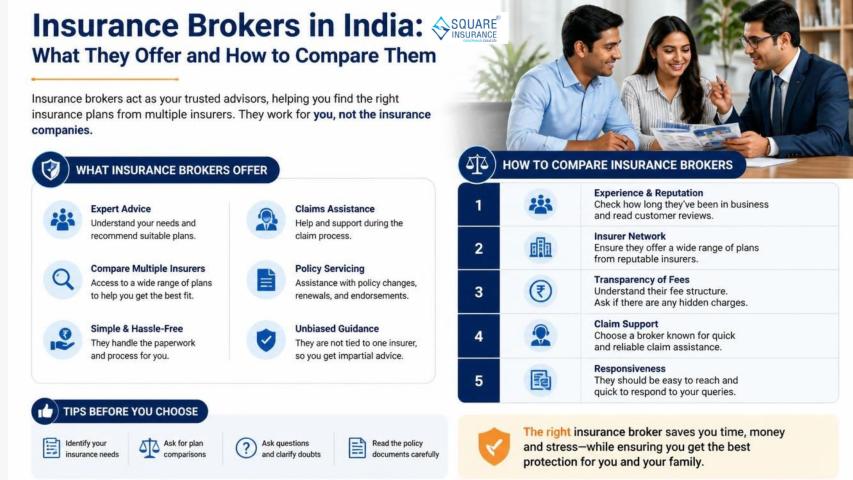
If the process feels overwhelming, consider working with a licensed insurance broker or marketplace navigator. They can explain options clearly, help you compare plans, and identify financial assistance you might qualify for.
Best of all, these services are usually free to consumers.
9. Be Mindful of Enrollment Periods
Open enrollment is the time to sign up for or change your insurance plan. Missing these deadlines can mean waiting months for coverage unless you have a qualifying life event, like marriage, childbirth, or job loss.
Mark enrollment dates on your calendar and act within those windows to avoid gaps in coverage.
10. Review Your Plan Annually
Healthcare needs and finances change. Review your plan every year during open enrollment to ensure it still fits your needs and budget.
Adjust coverage if necessary, look for new plans or subsidies, and avoid being auto-enrolled into a plan that might not be the best fit anymore.
Final Thoughts
Finding a medical insurance plan that fits your budget takes some effort, but it’s achievable with the right knowledge and resources. By understanding your healthcare needs, comparing total costs (not just premiums), checking provider networks, and leveraging subsidies, you can secure a plan that offers financial protection and peace of mind without straining your wallet.