
The need for peaceful and well-balanced environments has brought sound control to the center of design conversations. Whether it’s a corporate office, an educational institute, a healthcare facility, or even a home, excessive noise not only affects productivity but also impacts comfort and overall wellbeing. This is where acoustic board panels and other thoughtfully engineered sound-absorbing solutions come into play. Understanding how they work, what they’re made of, and how they transform spaces is the first step toward creating environments that are both functional and inviting.
Theory Behind Sound and Noise Management
Noise is nothing more than unwanted sound waves bouncing across hard surfaces. When sound is produced, it travels until it either gets absorbed, reflected, or diffused. In untreated rooms with plain walls, ceilings, and floors, sound tends to echo, making conversations unclear and creating fatigue. This is where acoustic wall panels step in.
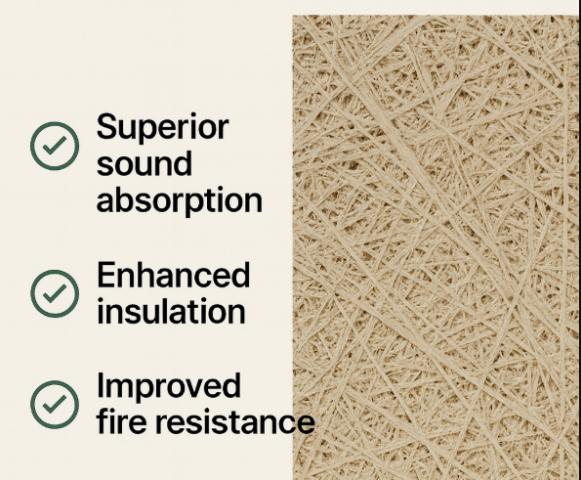
These panels are specially designed with porous, dense, or fibrous acoustic panel materials that capture sound waves and reduce their energy. Instead of allowing sound to reflect endlessly, the panels absorb it, ensuring speech clarity, privacy, and comfort. Understanding this principle helps explain why even a minimal installation of acoustic boards for walls can drastically change the feel of a room.
Acoustic Materials that Make the Difference
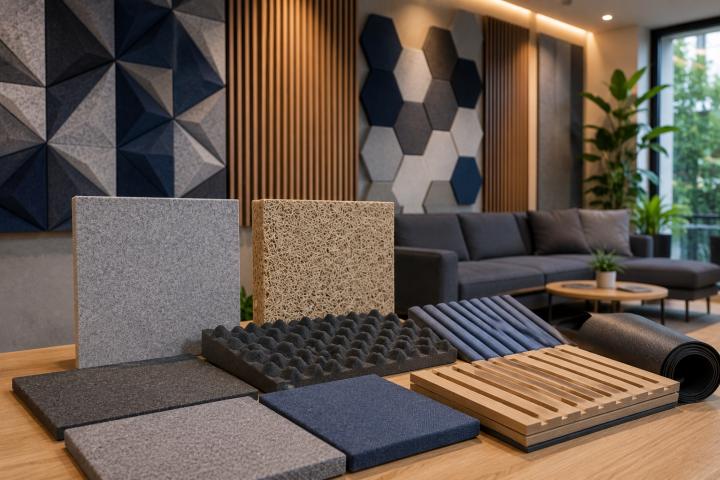
Not all soundproofing products are created equal. The performance of acoustic panel materials depends on factors like density, thickness, and surface texture. Some popular materials include:
Fiberglass or mineral wool, known for high sound absorption and durability.
PET (polyester) panels, a sustainable option made from recycled fibers.
Wood-based acoustic board panels, which balance natural aesthetics with effective sound control.
Each material has a unique role to play, and the right selection often depends on the project’s purpose. For example, classrooms benefit from lightweight PET panels for clear communication, while offices may use wooden acoustic boards for walls to combine elegance with function.
Acoustic Boards Panels: Where Design Meets Function
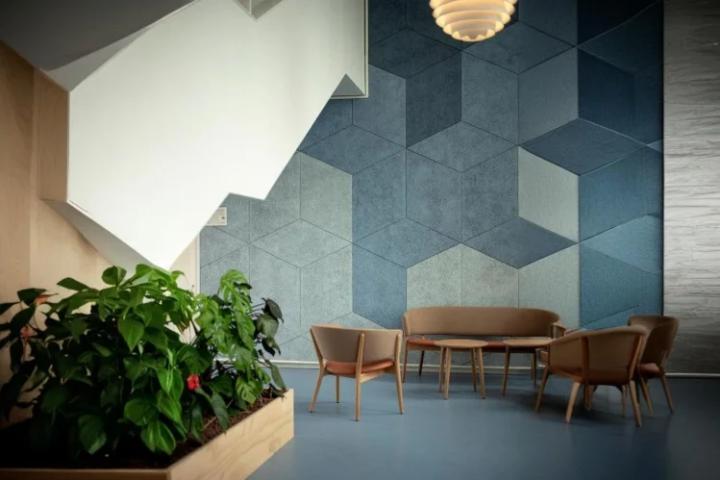
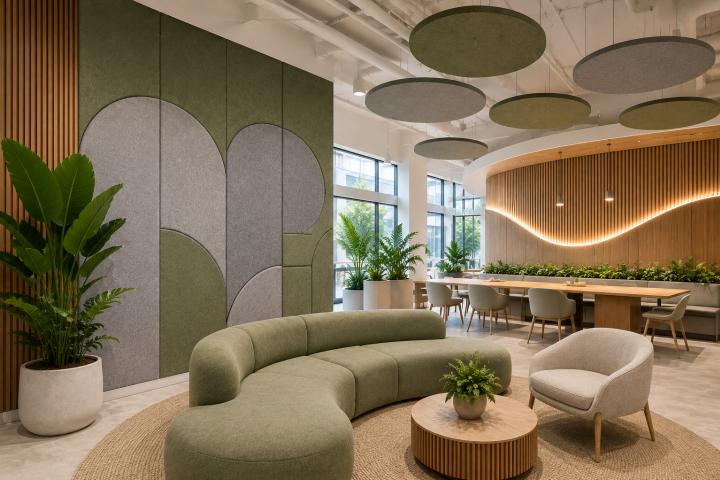
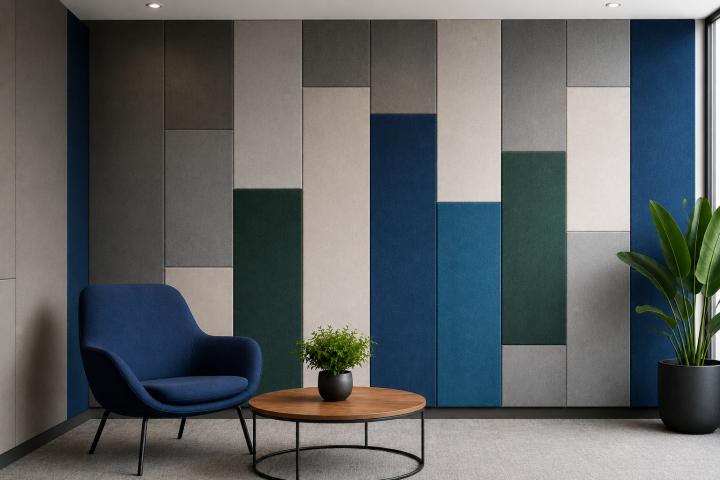
One of the biggest misconceptions about noise control is that it compromises aesthetics. In reality, acoustic board panels are increasingly designed to enhance interiors. They are available in a variety of colors, textures, and finishes, making them a design element as much as a functional one.
Imagine walking into a boardroom with bold fabric-covered panels that complement the company’s branding or entering a wellness center where wooden acoustic wall panels blend seamlessly into the calm interiors. These panels go beyond noise reduction—they define the character of a space while improving its usability.
If you’re considering these solutions for your next project, contact us to explore the most versatile designs and materials that can elevate your interiors while solving noise issues.
Role of Placement and Strategy
Installing acoustic boards for walls is not just about randomly placing panels. The effectiveness of sound absorption depends on careful positioning. Areas where sound reflections are strongest, such as behind speakers, near conference tables, or along high-traffic corridors, are prime locations for installation.
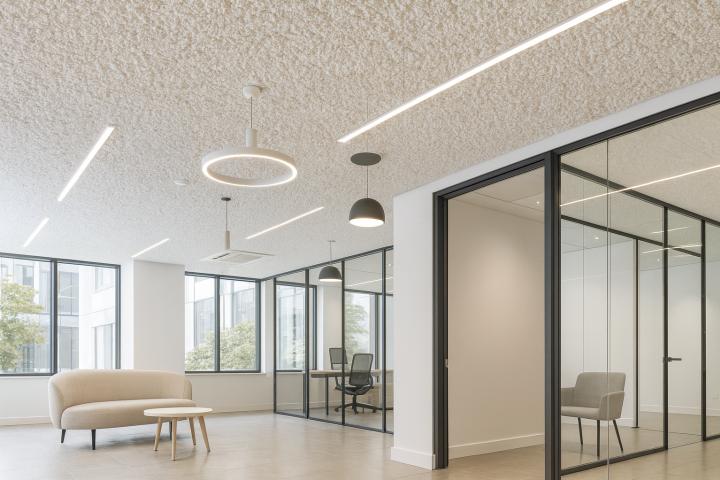
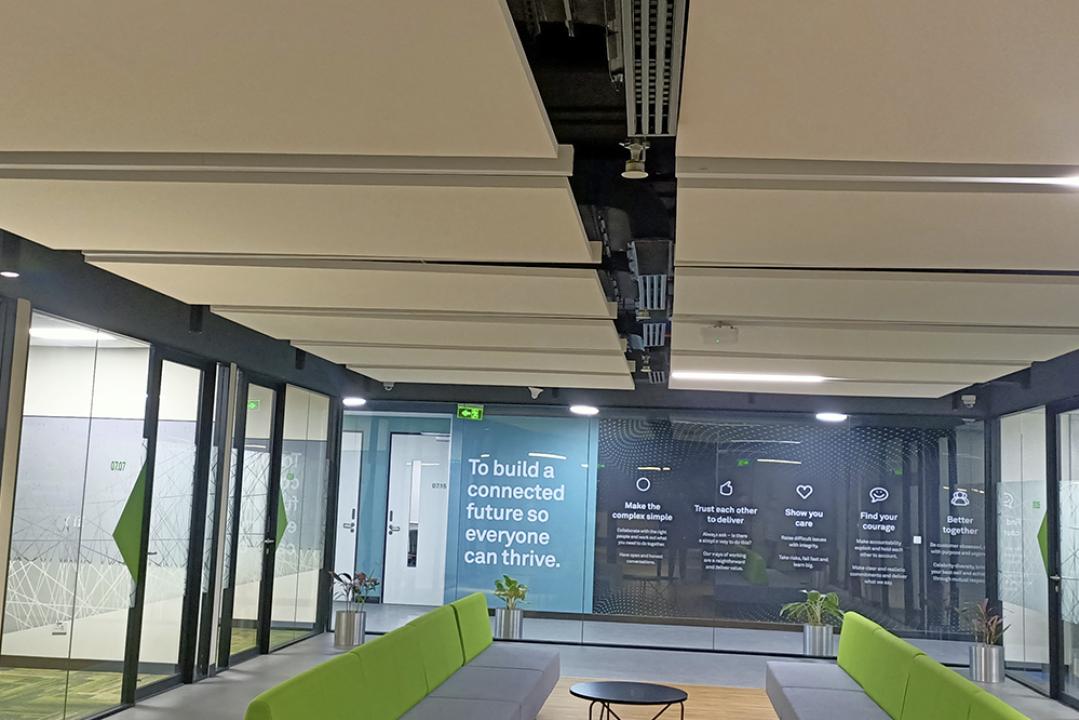
Additionally, combining wall panels with ceiling systems amplifies performance. For instance, pairing acoustic board panels with suspended ceiling baffles creates a comprehensive sound management solution that makes even large open spaces feel calm and balanced.
Why Simplicity Matters in Noise Control
The true power of acoustic wall panels lies in their simplicity. They do not require complex machinery or disruptive construction work. They are lightweight, easy to install, and adaptable to almost any kind of space. This simplicity makes them not only cost-effective but also a long-term solution that doesn’t require extensive maintenance.
Think of them as an invisible helper—present, effective, and working silently in the background to ensure people focus on what truly matters: communication, productivity, and comfort.
Acoustic Theory in Real Life
Let’s consider a simple example. In an office cafeteria filled with chatter, clanging cutlery, and constant foot traffic, noise levels rise quickly. Without treatment, such an environment causes stress and makes conversations difficult. Introducing acoustic panel materials in the form of wall or ceiling boards absorbs a large part of that noise. The result? A calmer space where people can relax and connect without straining to hear one another.
The same principle applies to classrooms, auditoriums, studios, and even residential living rooms. Once the theory of sound absorption is put into practice with acoustic boards for walls, spaces undergo a quiet transformation that is both noticeable and impactful.
Growing Demand for Acoustic Panels
The increasing demand for noise-free and peaceful environments has made acoustic board panels a standard in modern design. Architects and interior designers no longer treat them as optional add-ons but as essential components of building design. Their adaptability, performance, and aesthetic versatility make them a go-to solution across industries.
If you’re planning an interior that demands sophistication along with comfort, contact us and we’ll help you choose the right blend of acoustic panel materials tailored to your project needs.
A Step Towards Smarter Spaces
Sound is often overlooked in design, but its impact on human behavior, health, and efficiency cannot be ignored. By understanding the theory of noise control and adopting solutions like acoustic wall panels, we create environments that promote clarity, focus, and well-being.
Whether through elegant wooden acoustic boards for walls, fabric-clad options, or eco-friendly PET panels, the approach remains the same: simple solutions that deliver extraordinary results. And with strategic planning, they become an integral part of interiors—working quietly to enhance every moment spent inside.
Final Thought
Noise control doesn’t have to be complicated. With the right knowledge, thoughtful planning, and innovative acoustic board panels, you can achieve an environment where sound supports rather than disrupts. Every space has its own rhythm, and with the right acoustic treatment, that rhythm becomes harmonious.
If you’re ready to take the next step toward creating balanced and productive interiors, contact us for customized solutions that merge science, design, and functionality seamlessly. https://www.tranquilglobal.com/contact-us.html