Shoppers today chase speed, comfort, and quick choices. They don’t want to scroll for hours or guess what to type. With retail AI solutions, they can snap a picture and uncover what they want right away. This new way of shopping reshapes how people explore and choose products online and in shops. It replaces guesswork with clarity and turns every spark of interest into a smooth discovery, helping each customer enjoy a simpler and more personal shopping journey.
The Evolution of Retail Discovery
Shopping keeps shifting from long, tiring hunts to quick, picture-led adventures. This change helps people spot, compare, and grab the products that catch their eyes.
From Text to Image
Earlier, shoppers typed long words to describe what they wanted. Many struggled to find the right words. Now, they simply use pictures. A photo of a jacket or chair unlocks matching options in seconds.
Visual search helps people locate products they couldn’t describe, cutting the need for long lists or confusing filters.
The Shift in Customer Behavior
Shoppers now favor pictures over text. They crave quick results and clear visuals. This shift urges retailers to design systems that catch the eye, guide decisions, and shorten the path to purchase.
The Rise of Visual Search in Retail
Visual search turns browsing into discovery. Instead of scrolling through endless pages, customers upload one image and watch similar results unfold instantly.
Key Benefits
Helps people find what they can’t describe
Speeds up the buying process
Delivers more accurate product matches
Inspires longer browsing and higher interest
This system makes shopping simple, smooth, and enjoyable.
How Visual Search Works in Stores
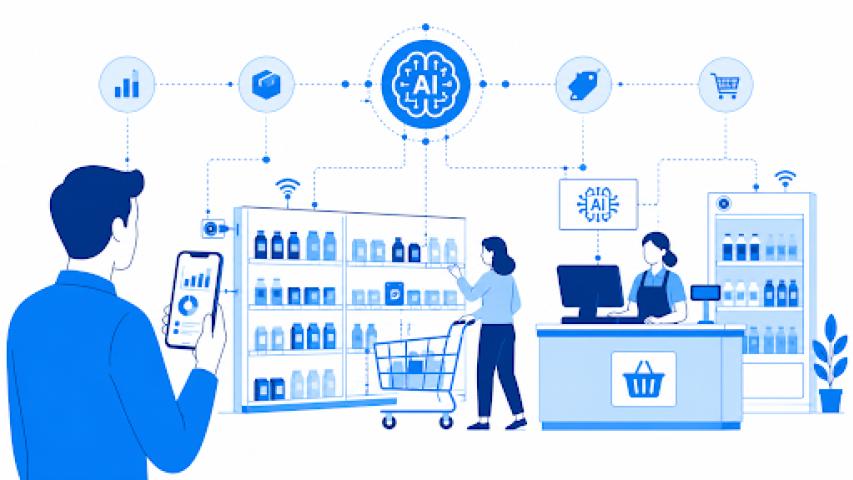
Modern shops blend smart tools with shelves and aisles. These systems guide shoppers, tidy displays, and help them uncover items without struggle or delay.
Blending Technology with Physical Space
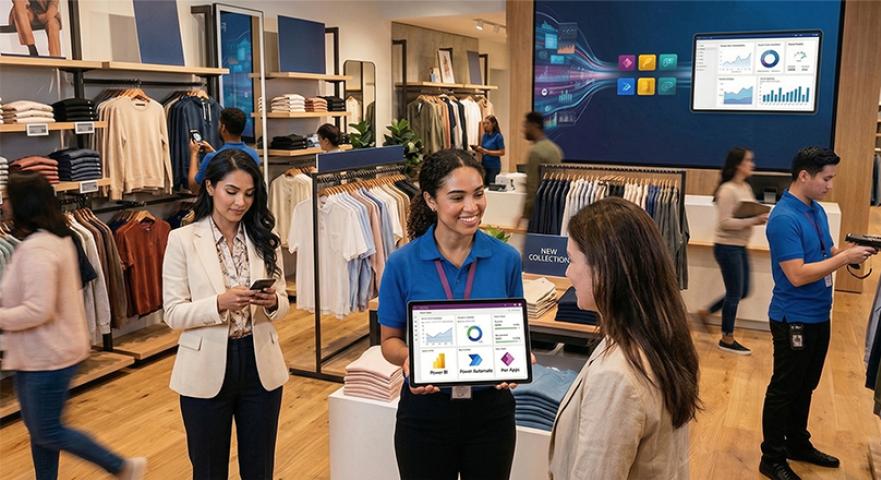
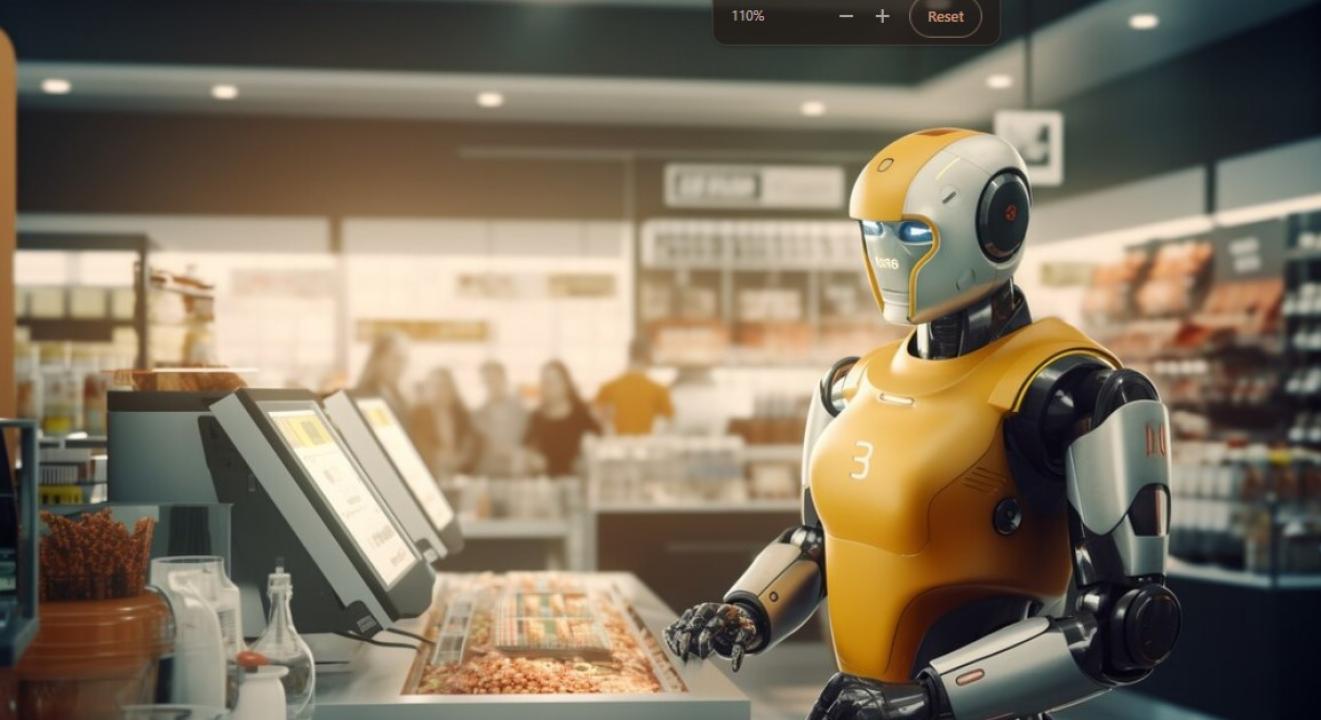
In shops, devices and retail robot roam aisles and scan shelves. Their cameras read product details and guide customers straight to what they want. They also show prices, stock levels, and nearby alternatives. Store workers use these tools to spot missing items, track stock, and answer shopper questions quickly.
Applications Include
Smart product scanning
Shelf checking and sorting
Customer help through voice or screen.
Fast access to product info using cameras
These tools lift the in-store experience, making it faster and more connected.
Enhancing the Online Shopping Journey
Online stores now mirror real-life browsing. Pictures steer the search, helping shoppers recognize what they like and reach it with ease and joy.
Simplifying Product Discovery
Online stores now use images to suggest products that match color, shape, or design. A shopper uploads a picture of a lamp or dress, and the system shows lookalikes in seconds. This method fuels curiosity, helps buyers explore more, and draws them back for repeat visits.
Bridging Inspiration and Action
Visual search links seeing to buying. A shopper can snap a photo from social media, a magazine, or even the street and uncover that same item online. This instant link transforms interest into purchase.
Retail Growth with Visual Search AI Solutions
Retailers adopt visual search AI solutions for retail to merge the physical and digital worlds. These systems connect customers with products in real time, turning discovery into a smooth journey.
Business Benefits
Boosts sales through fast image matching
Cuts search time and frustration
Creates a more personal shopping path
Strengthens customer trust and loyalty
Retailers who adopt visual tools build deeper bonds with buyers and gain clearer insight into what attracts them.
The Role of Visual Data in Modern Retail
Pictures reveal patterns that numbers can’t. Visual data helps shops notice shopper habits, trace new >
Smarter Insights
Every photo search reveals trends. Retailers study these images to uncover what shoppers like from popular patterns to trending shades. This insight helps them plan stock, design better displays, and refine collections.
Dynamic Inventory Management
Image-based tracking lets staff see which items run low, move slowly, or sit in the wrong place. This reduces waste and keeps shelves organized, saving both time and effort.
Connecting Physical and Digital Experiences
Retailers now blend store visits with online clicks. This unity gives shoppers the same comfort, rhythm, and thrill wherever they choose to buy.
Omnichannel Consistency
Visual search links stores with screens. Shoppers can take a photo in-store and check details online, or spot something online and find it nearby. This fluid connection builds confidence and makes every step feel the same.
Seamless Integration Points
Online visual finders
Smart mirrors in changing rooms
In-store devices for scanning products
Apps that show where an item sits on the shelf
Each touchpoint shortens the route between interest and purchase, keeping the experience natural and quick.
Empowering Retail Robo with Smart Devices
Retail robo roam through aisles and lend quick help. They scan, guide, and show shoppers exactly where to find what they want.
Retail Robo as Shopping Companions
Many shops now rely on retail robot that greet customers, lead them through aisles, and locate items. They also answer basic questions and make sure products stay in order. These robots don’t replace staff; they free them to focus on personal service and support.
Practical Uses
Guiding customers in large stores
Spotting misplaced goods
Sharing details through voice or screen
Assisting visually impaired shoppers
These robots create a friendlier, more helpful store environment for everyone.
Why Visual Search Appeals to Modern Consumers
People crave quick results and clear pictures. Visual search feeds that need, turning every shopping trip into a simple and enjoyable adventure.
Instant Results
Shoppers love speed. Visual search gives them results right away, without typing or guessing. They snap, see, and shop, all in one flow.
Emotional Connection
Pictures spark feelings that words can’t. When customers see what they want, they feel more drawn to it. This connection helps stores build stronger trust and inspire impulse buys.
Conclusion
Retailers now march into a world led by images, not long words. Modern shoppers look for ease and visual paths to what they love. Through retail AI solutions, shops link people to products in moments, making buying quicker and richer. This smart tool builds trust, strengthens connections, and keeps customers coming back. As retail grows more visual, seeing guides choosing, and those who embrace this change lead the way towards a brighter, smoother, and more joyful shopping future.
Frequently Asked Questions
1. How does visual search make shopping easier?
Visual search lets shoppers snap pictures instead of typing words. It helps them spot matching items fast, saving effort and turning shopping into a quick, smooth adventure.
2. Can stores use visual tools both online and offline?
Yes. Shops now blend visual tools into websites, apps, and store floors. These systems guide customers, display matching products, and connect their whole shopping trip with ease.
3. What makes visual shopping different from normal browsing?
Visual shopping replaces typing with seeing. Shoppers snap or upload a picture and uncover similar items instantly, making their search feel faster, simpler, and more exciting.
4. How do visual tools help store staff?
Visual tools help staff trace stock, spot missing goods, and guide customers swiftly. They lighten workloads, cut errors, and let workers focus on helping people better.