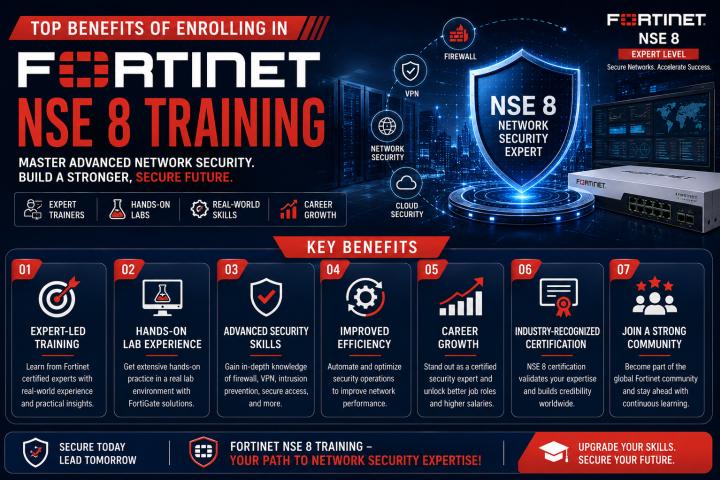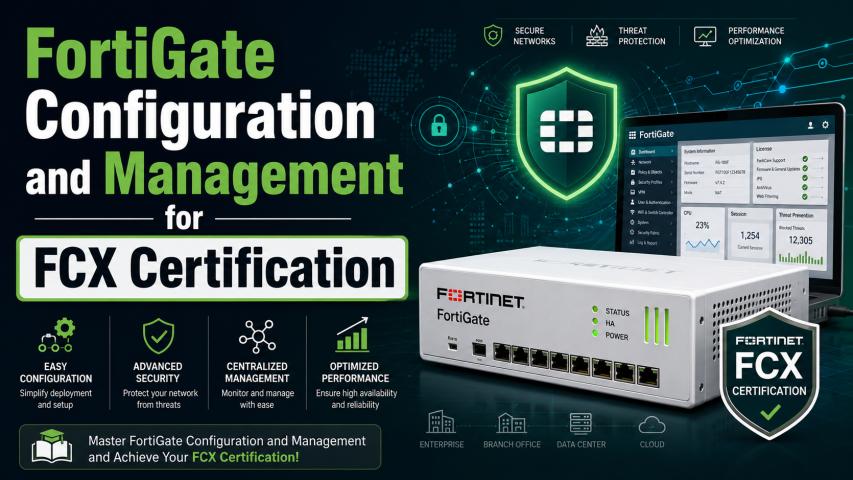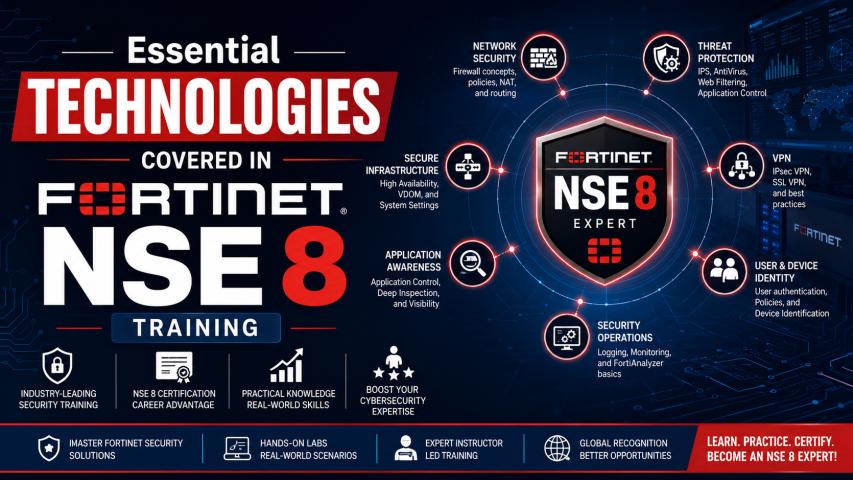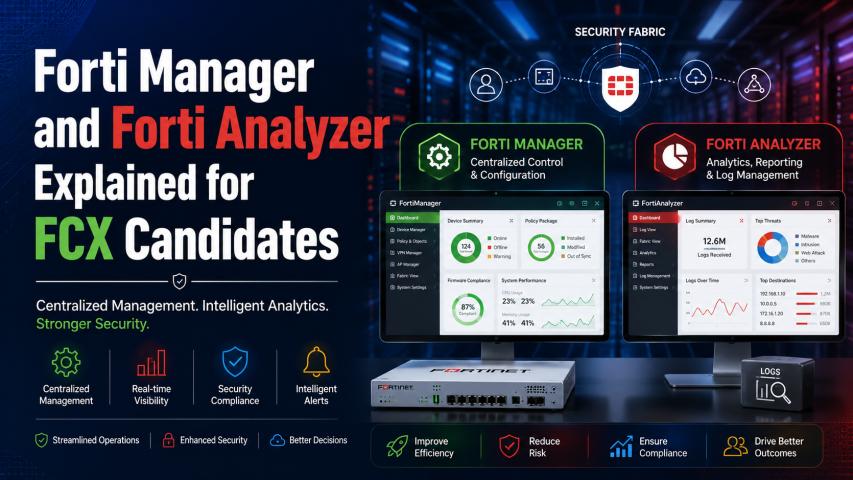
Fortinet’s NSE8 is recognized across the global cybersecurity ecosystem as a pinnacle credential for elite network security architects. Professionals pursuing this pathway seek industry validation, enterprise credibility, and mastery over complex security architectures. As cybersecurity threats accelerate and hybrid-cloud infrastructures expand, organizations prioritize leaders equipped to design, deploy, and orchestrate next-gen security frameworks.
NSE8TrainingFCXCertification is often evaluated together by advanced practitioners who aim to accelerate their command over Fortinet’s integrated security fabric. Building a structured approach ensures clarity, capability development, and consistent progress aligned with enterprise demands and market realities.
Understanding the NSE8 Certification Landscape
The NSE8 Expert Certification sits at the top of the Fortinet certification pyramid. It assesses command over enterprise security architecture, secure access, firewall deployment, advanced routing, network design, troubleshooting, and integrated threat defense strategies. Unlike lower-tier certifications, NSE8 emphasizes demonstration of applied expertise across complex, multi-vendor environments.
Key dimensions include:
• Advanced firewall configuration and optimization
• Secure SD-WAN and adaptive segmentation
• FortiGate deployment and system architecture
• Cloud, OT, and data-center security frameworks
• Operational technology and ICS risk mitigation
• Incident response, forensics, and security automation
As an enterprise-level qualification, candidates must shift from tactical preparation to strategic orchestration of skills and applied practice.
Step-by-Step Strategic Roadmap
A well-engineered preparation framework maximizes learning velocity and increases real-world impact.
1. Define Learning Outcomes
Clarify technical milestones aligned with certification objectives:
• Fortinet ecosystem mastery
• Network architecture design capability
• Practical troubleshooting proficiency
• Cross-platform operational skill advancement
Goal-driven learning sharpens focus and drives consistent execution.
2. Conduct a Baseline Skills Assessment
Evaluate your existing position:
• Firewall and intrusion prevention competency
• SD-WAN deployment familiarity
• Automation and orchestration exposure
• Network routing and switching fluency
An honest assessment enables tailored resource selection and targeted improvement.
3. Map a Structured Learning Plan
Allocate content tracks:
• Core Fortinet security fabric fundamentals
• Cloud and hybrid-network protection mechanisms
• Secure access, segmentation, and VPN methodologies
• High-availability design and redundancy engineering
Suggested cadence: 12–16 weeks with escalating complexity and scenario-based exercises.
4. Gain Hands-On Lab Experience
Applied learning remains crucial. Pursue:
• FortiGate configurations in virtual labs
• Traffic routing, filtering, and rule optimization drills
• SSL inspection, IPsec, and segmentation projects
• Incident simulation and adaptive response exercises
Hands-on practice bridges theory and enterprise deployment realities.
5. Engage in Fortinet Technical Communities
Position yourself within collective intelligence ecosystems:
• Global Fortinet user groups
• Cybersecurity forums and peer networks
• FCX and NSE-level professional exchange circles
Peer learning enhances situational awareness and exposes emerging methodologies.
6. Utilize Official and Unofficial Study Assets
Leverage multi-tier learning inputs:
• Fortinet documentation and NSE8 manuals
• Architecture design guides
• Enterprise case studies
• Hands-on lab exercises
• Cyber range or simulation environments
Diversified input strengthens domain flexibility and retention.
7. Run Timed Scenario-Based Practice Sessions
Simulate real-exam stress conditions. Incorporate:
• Network redesign challenges
• Multi-vector threat response workflows
• End-to-end architecture troubleshooting tasks
Time-bound exercises sharpen decision-making capacity under operational pressure.
Common Mistakes to Avoid
• Focusing only on command memorization instead of architectural comprehension
• Neglecting cross-vendor interoperability knowledge
• Underestimating the importance of troubleshooting skills
• Relying solely on theoretical study material
• Skipping hands-on labs and practical simulation environments
Strategic preparation includes both conceptual mastery and operational readiness.
Career Acceleration and Professional Value
Beyond exam success, NSE8 candidates unlock significant empowerment:
• Enterprise solution design capability
• Leadership-ready security mindset
• Measurable contribution to cyber-resilience
• Competitive edge in senior-level cybersecurity roles
Organizations increasingly expect cybersecurity architects to demonstrate scalable design competence backed by global credentialing. This certification validates that benchmark.
Final Thoughts
Achieving the NSE8certification designation demands disciplined execution, advanced security fluency, and a proactive learning mindset. By adopting a structured roadmap, investing in hands-on practice, and engaging with professional ecosystems, candidates position themselves to outperform and lead with conviction in the evolving cybersecurity landscape.