Businesses face persistent problems with data security, transparency, and trust in digital operations. A Web3 development company addresses these issues by building blockchain-based solutions that distribute information across networks, eliminate single points of failure, and create verifiable records of transactions. These companies design systems that reduce fraud, streamline operations, and give users control over their personal information while maintaining privacy and security standards.
Modern challenges require new approaches that traditional centralized systems cannot provide. Blockchain technology offers solutions through immutable record-keeping, automated execution through smart contracts, and peer-to-peer networks that function without intermediaries. Web3 developers apply these capabilities to solve real-world problems across industries from healthcare and supply chain to finance and government services.
Supply Chain Transparency Solutions
Global supply chains struggle with counterfeit products, lack of visibility, and inefficient documentation. Blockchain-based tracking systems record every step of a product's journey from raw materials through manufacturing to final delivery. Each participant in the chain adds verified information that becomes part of a permanent, tamper-proof record.
Manufacturers scan products at production facilities, creating blockchain entries with batch numbers, timestamps, and quality certifications. Distributors update records when receiving shipments, confirming quantities and conditions. Retailers verify authenticity before displaying items. Consumers access complete product histories through simple QR code scans.
Counterfeit prevention protects brands and consumers. Luxury goods, pharmaceuticals, and electronics suffer billions in losses from fake products. Blockchain verification ensures authenticity at every transfer point. Unauthorized copies cannot replicate valid blockchain records, making counterfeiting immediately detectable.
Food safety improves through transparent tracking from farm to table. Contamination incidents require rapid identification of affected products and their sources. Blockchain records pinpoint exact farms, processing facilities, and distribution routes within minutes instead of days. This speed prevents widespread illness and reduces waste from overly broad recalls.
Healthcare Data Management Systems
Medical records scattered across different hospitals and clinics create fragmented patient histories. Blockchain-based health data systems give patients control over their medical information while allowing secure sharing with authorized providers. This approach solves privacy concerns, reduces duplicate tests, and improves treatment outcomes.
Patient records stored on blockchain networks remain encrypted and accessible only to holders of private keys. Patients grant temporary access to doctors, specialists, and hospitals through permission tokens. Medical providers view relevant information without permanently storing copies. Access logs create audit trails showing who viewed records and when.
Prescription drug monitoring prevents abuse and dangerous drug interactions. Pharmacies record all dispensed medications on shared blockchains. Doctors check patient medication histories before prescribing new drugs. Insurance companies verify prescriptions match approved treatments. This visibility reduces opioid abuse and accidental overdoses.
Clinical trial data gains integrity through blockchain verification. Researchers record trial protocols, participant data, and results in tamper-proof ledgers. Third parties verify that results haven't been altered to favor desired outcomes. This transparency increases public trust in medical research and accelerates drug approval processes.
Medical credential verification eliminates fraudulent practitioners. Licensing boards issue blockchain-based certifications for doctors, nurses, and healthcare professionals. Hospitals instantly verify credentials without contacting multiple organizations. Expired or revoked licenses update across all systems simultaneously.
Identity Verification and Access Control
Digital identity theft costs individuals and businesses billions annually. Centralized databases holding personal information become targets for hackers seeking saleable data. Blockchain identity systems store minimal information on distributed networks while giving users complete control over what they share and with whom.
Self-sovereign identity puts individuals in charge of personal data. Users maintain digital identities in secure wallets rather than trusting companies to protect databases. Login systems request only necessary information - age verification without birthdate disclosure, address confirmation without exact street details.
Multi-factor authentication gains strength through blockchain integration. Password breaches compromise millions of accounts yearly. Blockchain-based authentication uses cryptographic keys stored on hardware devices or biometric signatures. Hackers cannot steal what never transmits across networks.
Access management for businesses improves through decentralized systems. Employees receive credential tokens granting specific permissions. IT administrators revoke access instantly across all systems by invalidating tokens. No more orphaned accounts lingering in forgotten databases after employees leave.
Government services benefit from verified digital identities. Tax filing, benefit claims, and license applications require identity confirmation. Blockchain credentials prove identity once, then reuse for multiple services. This eliminates redundant verification processes and reduces fraud in public assistance programs.
Financial Inclusion Solutions
Billions of people lack access to basic banking services. Traditional financial institutions require documentation many people cannot provide - formal addresses, employment records, credit histories. Blockchain financial services reach unbanked populations through alternative verification methods and mobile-first approaches.
Digital wallets function as complete banking systems accessible through smartphones. Users send and receive money, save funds, and make purchases without bank accounts. Transaction fees cost fractions of traditional wire transfer charges. Cross-border payments arrive in minutes instead of days.
Microloans reach small businesses unable to qualify for traditional credit. Blockchain lending platforms use alternative data - payment histories, social vouching, business records - to assess creditworthiness. Smart contracts automate repayment collection and distribute loans without bank overhead costs.
Remittances become affordable for migrant workers sending money home. Traditional money transfer services charge high fees and offer poor exchange rates. Blockchain transfers eliminate intermediaries, reducing costs by up to 90%. Recipients access funds faster without visiting physical locations.
Savings programs provide financial security for low-income families. Blockchain-based savings accounts accept tiny deposits ignored by traditional banks. Automated saving features transfer small amounts regularly. Interest earnings compound without minimum balance requirements or maintenance fees.
Voting System Security
Election integrity concerns grow as digital voting systems face hacking threats and public trust declines. Blockchain voting platforms create transparent, verifiable election records that prevent tampering while protecting voter privacy. These systems allow independent auditing without revealing how individuals voted.
Voter registration databases prevent duplicate voting and ensure eligibility. Blockchain records link citizens to unique voting credentials without exposing personal details. Dead voter removal happens instantly across all jurisdictions. Residency changes update registration automatically.
Vote casting combines transparency with anonymity. Voters prove identity when receiving ballot tokens but cast votes through anonymous transactions. Public ledgers show every vote counted without revealing voter identities. This combination satisfies both verification needs and privacy rights.
Result tabulation becomes instantly verifiable. Anyone can count votes recorded on public blockchains, confirming official tallies. Recounts take seconds instead of days. Disputes resolve through mathematical proof rather than partisan accusations.
Absentee and mail-in voting gains security through blockchain verification. Voters submit ballots from any location with internet access. Digital signatures prevent vote alterations during transmission. Receipt tokens confirm vote recording without revealing choices.
Intellectual Property Protection
Creators struggle to protect work from unauthorized use and prove ownership when disputes arise. Blockchain intellectual property systems timestamp creations, establish authorship, and track licensing through immutable records. This protection extends to written content, music, art, software code, and scientific discoveries.
Copyright registration becomes instant and permanent. Creators upload works to blockchain networks, generating timestamped proof of creation dates and authorship. These records stand as evidence in legal disputes without requiring expensive lawyers or lengthy court procedures.
Licensing agreements execute automatically through smart contracts. Musicians set terms for song usage, photographers define image licensing parameters, and software developers specify code reuse conditions. Smart contracts enforce terms and collect payments without ongoing monitoring.
Plagiarism detection compares new works against blockchain-registered content. Matching algorithms identify unauthorized copies or derivative works. Content platforms check uploaded material against protected works before publication. This automated screening reduces copyright infringement.
Royalty distribution reaches all rights holders efficiently. Complex ownership structures involving multiple contributors receive automatic payments when works generate revenue. Smart contracts split earnings according to predetermined percentages. No more missing or delayed royalty checks.
Real Estate Transaction Efficiency
Property purchases involve mountains of paperwork, multiple intermediaries, and weeks of waiting. Blockchain real estate platforms streamline transactions through digital title records, automated escrow, and smart contract coordination of all parties. These improvements reduce costs, prevent fraud, and accelerate closings.
Title searches complete instantly through blockchain property records. Ownership histories, liens, and encumbrances appear in searchable databases. No more digging through county records or paying title companies for research. Clear titles verify in seconds rather than days.
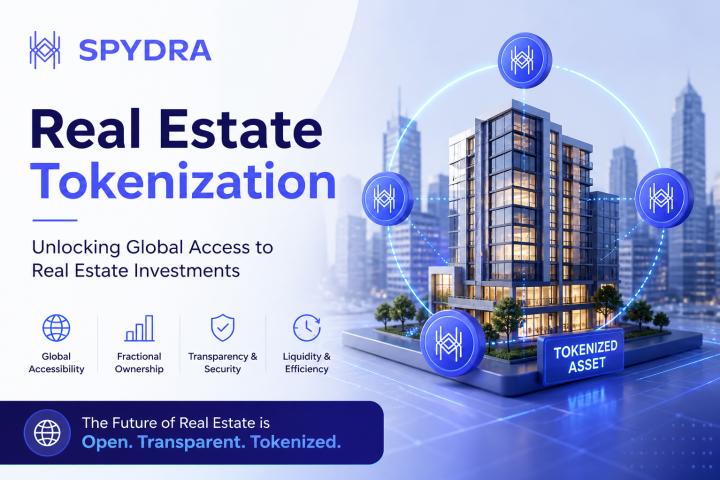
Property tokenization enables fractional ownership and easier transfers. Real estate becomes as liquid as stock shares. Buyers purchase percentage interests without full property purchases. Sellers divide properties into multiple tokens, attracting more buyers.
Escrow accounts operate through smart contracts that hold funds until conditions satisfy. Inspections, appraisals, and financing approvals trigger automatic releases or refunds. No more escrow disputes or delayed closings waiting for manual processing.
Rental agreements and property management gain automation. Lease contracts execute through smart contracts that collect rent, release security deposits, and enforce terms. Late payment penalties apply automatically. Maintenance requests create work orders without manual intervention.
Environmental Impact Monitoring
Companies face pressure to meet sustainability goals but struggle to verify environmental claims. Blockchain tracking systems create transparent records of carbon emissions, resource usage, and environmental certifications. This verifiable data holds organizations accountable and helps consumers make informed choices.
Carbon credit markets function more efficiently through blockchain trading platforms. Companies reducing emissions sell verified credits to organizations needing offsets. Smart contracts prevent double-counting of credits. Transparent trading records eliminate fraud and increase market confidence.
Recycling programs reward participants through token incentives. Users scan recycled items at collection points, earning digital tokens redeemable for discounts or cash. Municipalities track recycling rates accurately. Contamination problems decrease through better participant engagement.
Renewable energy certificates prove clean energy usage. Solar panel installations generate blockchain-verified certificates for power production. These certificates trade on open markets, connecting renewable energy producers with businesses seeking clean power credits.
Deforestation monitoring combines satellite data with blockchain verification. Conservation organizations track protected forest areas in real-time. Illegal logging attempts trigger alerts. Verified conservation efforts earn carbon credits and environmental funding.
Insurance Claims Processing
Insurance claims involve lengthy investigations, extensive documentation, and frequent disputes. Blockchain insurance platforms automate claims verification, speed payment processing, and reduce fraud through transparent record-keeping. Smart contracts trigger automatic payouts when conditions prove valid.
Parametric insurance pays automatically when measurable events occur. Flight delay insurance detects late arrivals through flight tracking data and pays instantly. Crop insurance monitors weather patterns and compensates farmers after qualifying droughts or floods. No claims forms, no waiting.
Fraud prevention improves through shared claim databases. Insurance companies detect patterns indicating fraudulent claims across multiple insurers. Staged accidents, duplicate claims, and exaggerated damages become immediately visible. This cooperation reduces losses passed to policyholders through higher premiums.
Claims documentation stores securely on blockchain networks. Photos, repair estimates, police reports, and medical records attach to claim records. All parties access identical information, preventing disputes over missing documents. Audit trails show when documents were added and by whom.
Risk assessment becomes more accurate through comprehensive data analysis. Blockchain networks aggregate anonymized claim data across entire industries. Actuaries identify risk patterns missed in isolated datasets. Premium calculations reflect true risk levels rather than outdated assumptions.
Education Credential Verification
Fake degrees and credential fraud plague hiring processes. Employers spend significant resources verifying education claims. Blockchain academic records create tamper-proof transcripts and certifications that employers verify instantly. This system protects institutions, employers, and honest applicants.
Academic transcripts record completed courses, grades, and degrees on blockchain networks. Students control access to their records, sharing them directly with employers or other schools. Universities issue verified credentials that cannot be falsified. Degree mills cannot replicate valid blockchain certificates.
Skills certifications gain portability across employers and industries. Professional training programs issue blockchain credentials for completed courses. Workers carry verifiable proof of skills without relying on previous employers. Continuing education credits track automatically through career lifespans.
International credential recognition simplifies through standardized blockchain formats. Students educated abroad prove qualifications to foreign employers without expensive credential evaluation services. Standardized formats communicate course content and achievement levels across countries and languages.
Lifelong learning records encompass formal education, professional development, and self-directed study. Individuals build comprehensive skill profiles showing all learning activities. Employers assess candidate qualifications more completely than traditional resumes allow.
Charity and Aid Distribution Transparency
Charitable donations face persistent questions about whether funds reach intended recipients. Blockchain donation platforms create complete transparency from donor contributions through final distribution. This accountability increases donor confidence and ensures aid reaches people in need.
Donation tracking shows exactly how funds are spent. Contributors see their money move through organizations to specific projects. Administrative costs, program expenses, and final beneficiaries appear in public records. This visibility pressures organizations to operate efficiently.
Direct aid distribution eliminates intermediaries between donors and recipients. Digital wallets deliver funds instantly to individuals in crisis situations. No money lost to corrupt officials or inefficient bureaucracies. Recipients prove identity through blockchain credentials and access funds immediately.
Disaster relief coordination improves through transparent need assessment. Organizations share information about what resources are available and what remains needed. This prevents duplicated efforts and unfilled gaps. Aid arrives faster and serves more people.
Impact measurement creates accountability for charitable programs. Blockchain records document program outcomes and verify that promised results materialized. Donors make informed decisions about which organizations achieve meaningful impact. Effective programs attract more support.
Government Service Delivery
Public services suffer from inefficiency, corruption, and poor coordination between agencies. Blockchain government systems create transparent operations, reduce bureaucratic delays, and protect against fraud. Citizens benefit from faster services and better accountability for public resources.
Public records move to blockchain networks accessible to all citizens. Property records, business licenses, permits, and court documents become searchable databases. No more visits to government offices for basic information. Public accountability increases through transparent operations.
Benefit distribution prevents fraud and ensures aid reaches eligible recipients. Welfare programs, unemployment insurance, and disability benefits verify eligibility through blockchain credentials. Duplicate benefits and identity fraud decline sharply. Deserving recipients receive help faster.
Tax collection becomes more efficient through automated reporting. Businesses record transactions on blockchains that automatically calculate tax obligations. Governments receive accurate reports without expensive audits. Compliant taxpayers benefit from reduced scrutiny.
Public procurement gains transparency through blockchain contract records. Government purchases, contractor selections, and spending records appear in public databases. This visibility reduces corruption and favoritism. Taxpayers verify that public funds serve intended purposes.
Blockchain solutions address real problems affecting billions of people daily. Web3 development companies build practical applications that improve lives rather than chasing technological novelty. As these solutions prove their value, adoption will accelerate across all sectors of society.