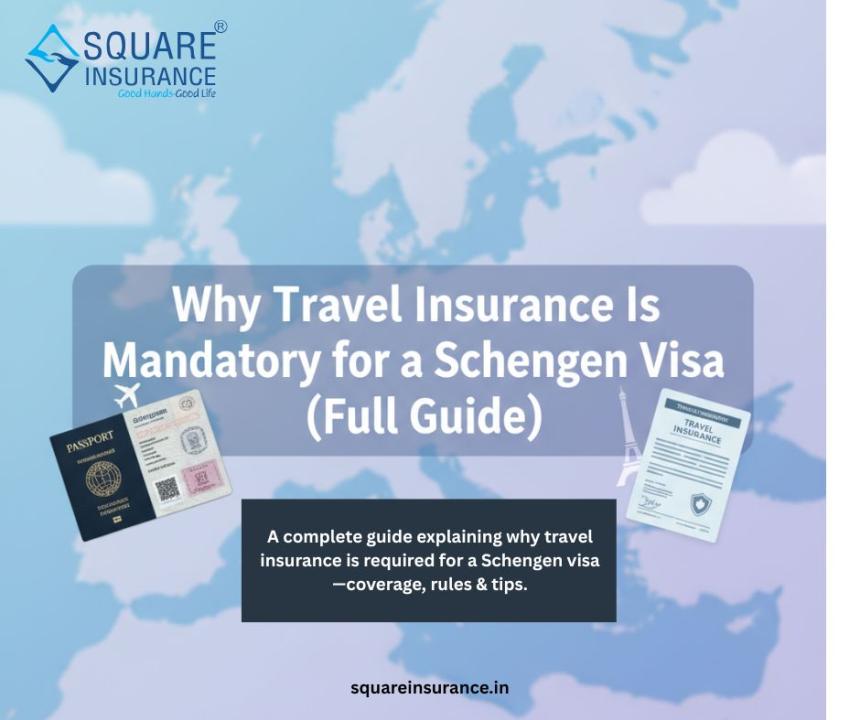

Applying for a Schengen visa involves several steps—but one requirement often surprises applicants: mandatory Travel Insurance for Schengen Visa. Whether you are traveling for tourism, business, study, or visiting family, Schengen authorities require every non-EU traveler to present valid travel medical insurance before the visa is issued. But why is this rule so strict? And what exactly must your insurance cover to meet Schengen regulations? In this full guide, you’ll learn everything you need to know—from legal requirements and coverage benefits to expert tips for buying the right policy.
What Is Schengen Travel
Insurance?
Schengen travel insurance is a
special type of international travel medical insurance required by all 27
Schengen countries. It protects travelers from unexpected medical emergencies,
accidents, and repatriation while visiting any Schengen state.
The Schengen region does not allow
foreign travelers to rely on public healthcare systems. As a result, this
insurance ensures that visitors can cover emergency medical expenses without
becoming a financial burden to the host country.
Why Is Travel Insurance
Mandatory for Schengen Visa Applicants?
1. Protects Travelers From
High Medical Costs
Healthcare in Europe is world-class,
but it can also be expensive for non-residents. A simple emergency room visit
may cost hundreds of euros, and hospitalization can run into thousands. Travel
insurance ensures you are financially protected if something goes wrong during
your trip.
2. Ensures Visitors Are Not
a Liability
Schengen countries introduced this
mandatory rule to prevent foreign travelers from leaving unpaid medical bills
behind. By enforcing travel insurance, the visa process ensures financial
responsibility and reduces the strain on European healthcare systems.
3. Covers Emergency Medical
Repatriation
If a traveler faces a serious illness,
accident, or unfortunate death during the trip, repatriation costs can be
extremely high—sometimes exceeding €30,000. Schengen-approved plans include
this coverage so that you or your family don’t bear the heavy financial burden.
4. Supports Visa Security
Regulations
The Schengen visa is one of the most
powerful visas in the world, allowing free movement across 27 countries.
Mandatory insurance strengthens border control policies and ensures complete
security compliance for all visitors.
5. Required Under EU
Regulation (810/2009)
The Schengen Visa Code outlines that
applicants must present a valid
travel medical insurance policy as part of the visa documentation. Without it,
applications are automatically rejected—regardless of other documents.
What Are the Minimum
Requirements for Schengen Visa Insurance?
To be accepted by any Schengen
embassy or consulate, your travel insurance policy must meet the following
criteria:
· Minimum coverage of €30,000
The plan must cover at least €30,000
in medical expenses, including emergency care, hospitalization, and
repatriation.
· Valid in all 27 Schengen States
Your insurance must remain effective
across all Schengen countries, even if your itinerary covers only one or two.
· Covers the entire duration of your stay
The coverage period should match
your travel dates exactly—from the day you enter the Schengen zone until the
day you leave.
· No deductible (recommended but not mandatory)
Many consulates prefer policies with
zero deductibles to ensure travelers do not face upfront costs during
emergencies.
What Does Schengen Travel
Insurance Typically Cover?
A high-quality Schengen visa
insurance plan usually includes:
1.
Emergency Medical Expenses
Covers sudden illness, injuries,
surgeries, diagnostic tests, and essential medical treatments.
2.
Emergency Medical Evacuation
If specialized care is not available
locally, the policy pays for transport to the nearest adequate medical
facility.
3.
Repatriation of Mortal Remains
Covers the cost of returning a
traveler’s remains to their home country—a key mandatory benefit.
4.
Personal Accident Coverage
Some policies include disability or
accidental death benefits for additional protection.
5.
Trip-related Benefits (Optional but Useful)
- Trip cancellation or interruption
- Loss of passport
- Delayed baggage
- Lost baggage
- Flight delay
Although these are not mandatory for
visa approval, they provide valuable financial support during unexpected
disruptions.
Common Reasons Schengen
Visa Insurance Gets Rejected
Even a small mistake can lead to a
visa denial. Here are common reasons consulates reject insurance documents:
· Coverage less than €30,000
Many applicants mistakenly submit
policies with lower limits.
· Not valid in all Schengen states
Your certificate must clearly state
Europe-wide or Schengen-wide coverage.
· Wrong dates on the insurance
Your insurance must match your
travel dates precisely.
· Policy lacks emergency repatriation
Repatriation is a mandatory
requirement and cannot be excluded.
· Submitting a policy quote instead of the final certificate
Only an official insurance
certificate—signed and stamped—is accepted.
How to Choose the Right
Schengen Visa Travel Insurance
As a seasoned insurance content specialist,
here are key points to consider when selecting your policy:
· Choose a reputed international insurer
Well-known insurance companies
increase the acceptance rate of your visa application.
· Ensure the certificate clearly states Schengen compliance
Embassies prefer policies that
explicitly mention “Schengen visa compliant.”
· Compare coverage and benefits
Look beyond price—medical coverage
limits, optional add-ons, and claim processes matter.
· Look for 24/7 multilingual support
In emergencies, fast assistance is
crucial.
· Check refund options
Some insurers offer 100% refund if
your visa is denied.
Who Needs Schengen Travel
Insurance?
You must buy Schengen travel
insurance if:
- You are applying for a Schengen tourist visa
- You are visiting family/friends in Europe
- You are traveling for business or conferences
- You are a student visiting on a short-term visa
- You are a non-EU family member of an EU citizen
However,
if you already live in the EU or have long-term residency, this requirement
does not apply.
Is Travel Insurance
Mandatory for Multiple-Entry Schengen Visas?
Yes. For multiple-entry visas, you
must present valid insurance that covers the dates of your first trip.
However, you do not need to buy insurance for the full
validity of the visa—only for each trip when you enter the Schengen zone.
For example:
If you have a 1-year multiple-entry visa, you must purchase insurance only for
the duration of each visit during that year.
Conclusion
Mandatory Schengen visa travel
insurance is more than a legal formality. It’s a powerful financial shield that
protects you during medical emergencies, accidents, and unexpected events
abroad.
By choosing the right policy—one
that fulfills EU requirements and offers strong coverage—you ensure a smooth
visa approval process and a stress-free journey across Europe.
Whether you’re traveling for leisure
or business, securing Schengen-compliant insurance is the smartest step you can
take before your trip.
Frequently Asked Questions
Q.1.
Is travel insurance mandatory for a Schengen visa?
Yes. Travel medical insurance is a
compulsory requirement for all Schengen visa applicants. Without submitting a
Schengen-compliant insurance policy, your visa application will be rejected.
Q.2.
What is the minimum travel insurance coverage required for a Schengen visa?
The minimum required coverage is €30,000. The insurance must include
emergency medical expenses, hospitalization, and repatriation of mortal
remains.
Q.3.
Does Schengen travel insurance need to cover all Schengen countries?
Yes. Your policy must be valid for all 27 Schengen states, even if you
only plan to visit one or two countries.
Q.4.
What should be the duration of my Schengen travel insurance?
Your insurance must cover the entire length of your stay in the
Schengen zone—from your entry date to your exit date.
Q.5.
Will my visa get rejected if my insurance is not compliant?
Absolutely. If your policy does not
meet the Schengen visa requirements (coverage, duration, territories), the
embassy or consulate will reject your visa application.