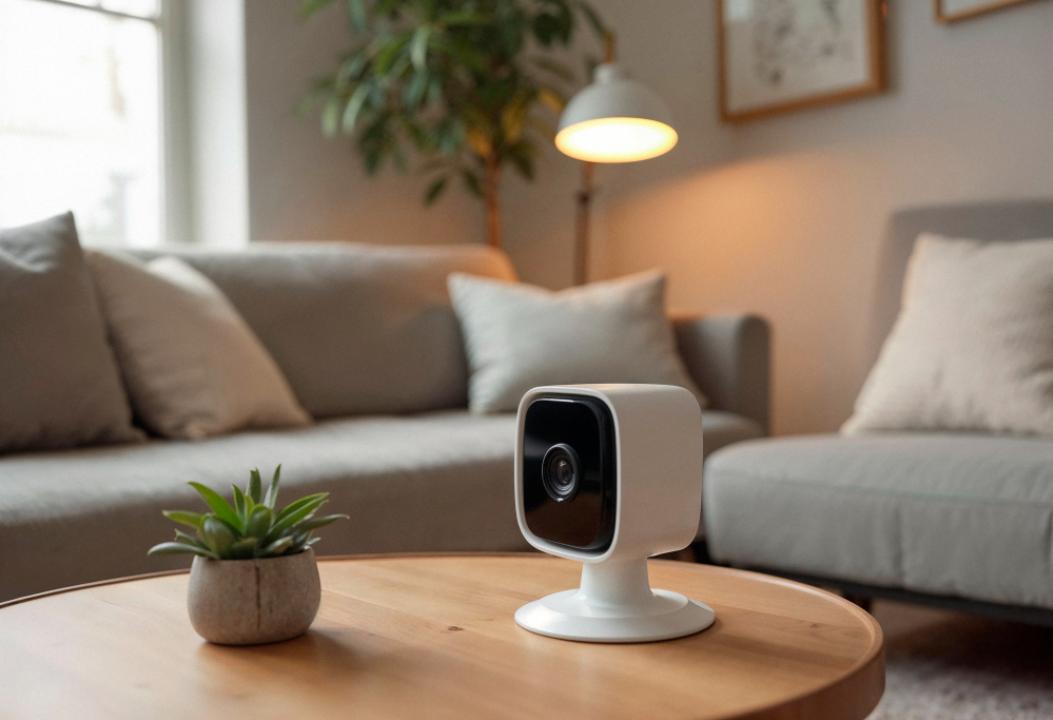
Today’s homes grow smarter every day. People ask lights to switch off, speakers to play songs, and thermostats to warm rooms. But when it comes to safety, many still wonder—can smart tech guard a home too? The answer now comes with a clear “yes.” By linking wireless CCTV with voice assistants like Alexa and Google Home, home security leaps forward.
This guide explains how this smart connection works, what it brings to daily life, and why more homeowners in Singapore trust these systems to watch over their space.
What Makes Wireless CCTV Smart?
Wireless CCTV no longer just records movement. It now talks to devices, shares footage on your phone, and follows voice commands.
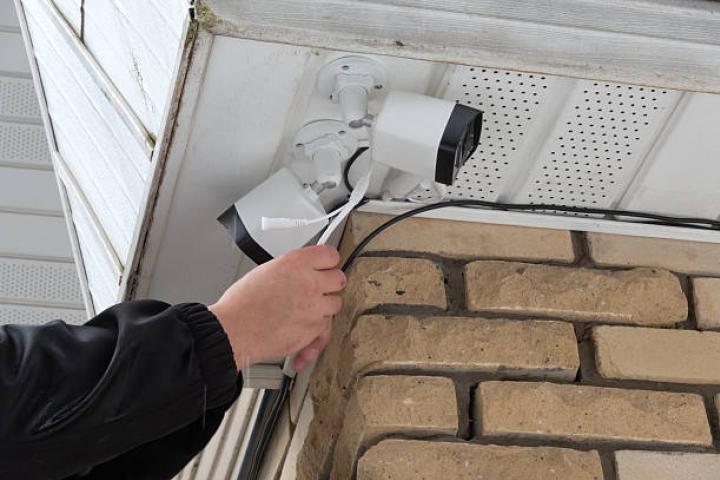
When we mention wireless CCTV for home Singapore users rely on, we refer to cameras that connect without long cables or bulky setups. These cameras talk to your phone or smart hub using Wi-Fi. With the right system, you can see your front door while sipping tea in your room—or even from your office miles away.
Modern smart CCTV includes:
Real-time video access on mobile apps
Motion alerts that notify you of movement
Night vision for round-the-clock clarity
Cloud storage for saved video clips
With these tools, the camera becomes more than a watcher. It becomes a guard.
How Alexa and Google Home Add Voice Control?
When you link CCTV with voice assistants like Alexa or Google Home, something powerful happens. Instead of tapping your phone, you speak.
For example, you might say, “Alexa, show the backyard camera,” and the footage appears on your screen. Or, “Hey Google, is there someone at the front door?” The system checks, then tells you.
This voice-driven control feels simple but hides powerful work behind the scenes. Voice assistants link with smart apps that support your CCTV. When both share the same network, they work together smoothly.
This connection saves time and gives peace of mind, especially when your hands stay full—like during meal prep or late-night checks.
What You Need for Setup?
Before enjoying smart home wireless CCTV Singapore families now adopt a few steps must line up. Thankfully, setup has grown easier.
To start, you need:
A wireless CCTV system that supports smart integration
A home Wi-Fi network strong enough to cover key areas
A Google Home or Alexa device is already connected and ready
The CCTV mobile app from your camera brand
The matching skill or action enabled on your voice assistant
Each brand may have a few extra steps. But most follow a clear pattern. Pair the devices, confirm access, and test commands.
Once connected, your voice starts unlocking views from every camera around your home.
Why Smart Integration Makes a Difference?
Linking CCTV to voice assistants doesn’t just sound fancy—it makes life smoother. Think of moments when you hear a knock, but your hands are carrying groceries. Or when you lie in bed and hear a sound near the gate. Voice commands let you act fast without rushing or guessing.
Here’s how integration improves your daily safety:
Faster access to video feeds without touching your phone
Hands-free checks during busy tasks or odd hours
Shared control among family members
Voice alerts when movement triggers an event
Instead of hunting for a remote or swiping screens, you speak—and your home listens.
Privacy and Data Protection
With any smart tech, privacy rises as a key concern. Homeowners want security without giving away too much data.
Smart CCTV systems usually store footage in secure cloud spaces. Brands now use stronger encryption and offer features like password protection, two-step sign-in, and timed sharing.
To protect your footage:
Set strong Wi-Fi passwords
Turn off cameras when not needed
Review who has access through your apps
Check privacy settings inside Alexa or Google Home
A smart home stays smart only when it guards both your space and your information.
How Smart CCTV Compares to Traditional Systems?
Many homes once depended on wired setups and static video recorders. These systems worked, but they felt stiff. Checking footage meant scrolling through hours or visiting a screen inside the home.
Now, wireless CCTV does more with less. It shows video in real-time, stores clips in the cloud, and works with voice commands.
Let’s compare their key features:
Feature | Traditional CCTV | Smart Wireless CCTV |
Remote access | Rare | Common via app |
Voice assistant control | None | Yes (Alexa, Google) |
Installation | Complex wiring | Easy, wireless |
Storage | Local only | Cloud and local |
Alerts | Manual check | Instant notifications |
This flexibility helps families keep an eye on their home from anywhere at any time.
Choosing the Right Home Security Camera
Not all smart cameras offer the same features. Some focus on front doors. Others watch over full rooms or wide outdoor areas.
When picking a home security camera Singapore users find useful, focus on:
Image clarity – Aim for full HD or better
Field of view – Covers more area in one frame
Night vision – Sees clearly in low light
Smart alerts – Sends updates when movement is spotted
Ease of voice control – Works well with Alexa or Google
Some cameras also offer two-way talk, letting you speak with someone at the door. Others zoom in when movement appears. Choose based on your home size, layout, and habits.
Placing Your Cameras for the Best View
A great camera still needs the right place. Placement shapes how well your system works.
Before you mount, consider:
Doorways – Front and back doors should always be watched
Living rooms – Useful for large spaces and common zones
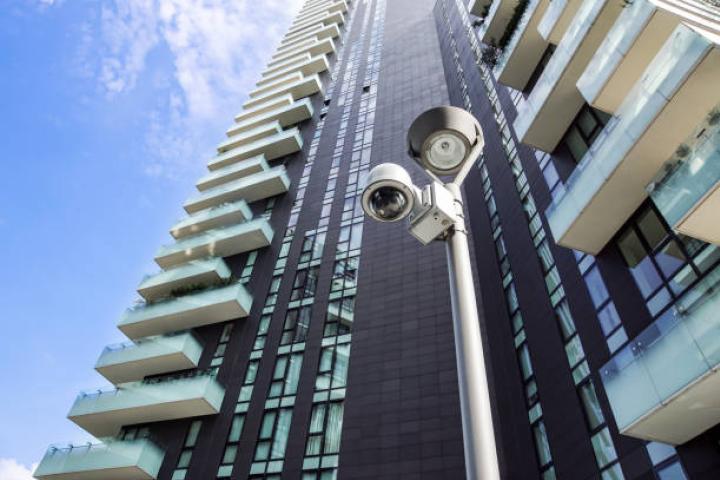
Driveways or gates – Spot movement before visitors reach your door
Children’s play areas – Keep an eye when you’re in another room
Avoid placing cameras where sunlight blinds them or where objects block their view. Also, test Wi-Fi strength before mounting, so the signal stays strong.
Staying Updated with Smart Features
Smart CCTV tools keep growing. Updates bring fresh features every few months. Brands improve motion tracking, add new voice commands, or change the way clips save.
To stay ahead:
Allow app updates regularly
Read release notes to learn new tools
Update your Google or Alexa skills
These upgrades sharpen your system without buying new gear. Over time, your camera becomes smarter without extra work.
Common Challenges and How to Solve Them
Sometimes, cameras stop showing video. Or voice commands don’t respond. These issues feel frustrating—but often come with quick fixes.
Here’s what helps:
Restart the camera or smart hub when delays appear
Move the router to improve weak Wi-Fi zones
Reset the app connection if the video won’t load
Re-link Alexa or Google if the voice fails to find your feed
Most issues are solved with a quick refresh. But reading the manual or app guide brings even quicker results
Final Thoughts
Smart CCTV gives you eyes when you can’t watch. It lets your voice guide your safety and connects your home with simple words. While the setup takes a few steps, the reward lasts long. You gain peace, control, and clear views—without extra effort. As homes grow smarter, security becomes part of daily life. With the right system and careful setup, smart CCTV transforms your space into a place that listens, guards, and responds.
FAQs
1. Can I use wireless CCTV with both Alexa and Google Home at once?
No. Each camera system links to one platform at a time. Choose the voice assistant you use most.
2. Does smart CCTV work during power cuts?
Most need power. However, some offer battery backup. Always check before buying.
3. Is Wi-Fi strong enough for outdoor cameras?
Wi-Fi works well with strong signals. Place your router close or use a Wi-Fi extender outdoors.
4. Do I need a screen to view the camera?
No. You can use your phone app or ask Alexa or Google to show it on a smart screen.