
Car insurance is often purchased out of necessity rather than understanding. Many car owners buy a policy simply to comply with legal requirements, without fully knowing what it covers, what it excludes, or how it actually protects them financially. This lack of awareness often leads to claim rejections, underinsurance, or unnecessary expenses.
Understanding car insurance is not
complicated—but it does require clarity. Whether you are buying a policy for the
first time or renewing an existing one, knowing the right facts helps you make
informed decisions and avoid common pitfalls. This guide explains the most
important things you should know about car insurance in clear, practical terms.
1. Car Insurance Is More Than a Legal
Requirement
While third-party car insurance is
mandatory by law, insurance itself serves a much bigger purpose. It protects
you from:
·
High vehicle repair costs
·
Legal liabilities in case of accidents
·
Financial loss due to theft or total damage
·
Unexpected emergencies on the road
Treating car insurance only as a legal
formality often results in insufficient coverage.
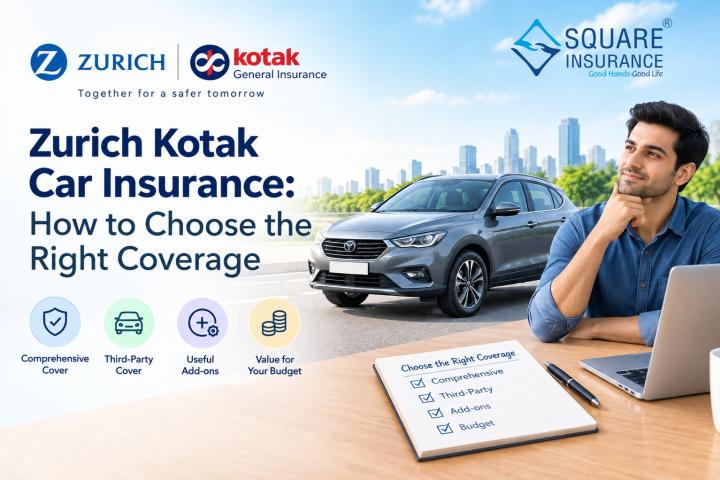
2. Types of Car Insurance You Should
Understand
Third-Party Insurance
This policy covers damage or injury
caused to another person or property. It does not cover damage to your own
vehicle.
Comprehensive Insurance
A comprehensive policy covers
third-party liabilities as well as damage to your own car due to accidents,
fire, theft, natural calamities, and vandalism. It is highly recommended for
new cars and regular drivers.
Understanding this difference is
essential before selecting a policy.
3. Insured Declared Value (IDV) Matters More
Than You Think
IDV is the maximum amount your insurer
will pay if your car is stolen or declared a total loss. Many policyholders
reduce IDV to lower premiums, without realizing that:
·
A lower IDV means lower claim payout
·
Under-declaring IDV can lead to financial loss
Choosing a realistic IDV ensures fair
compensation during major claims.
4. Add-Ons Are Optional—but Important
Add-ons enhance your coverage beyond the
basic policy. Some valuable add-ons include:
·
Zero depreciation cover
·
Engine protection cover
·
Roadside assistance
·
Return to invoice cover
You should select add-ons based on how
you drive, where you drive, and how old your car is—not just because they are
available.
5. No Claim Bonus (NCB) Is a Reward You Should
Protect
NCB is a discount offered for every
claim-free year. It can significantly reduce your premium over time. Important
points to remember:
·
NCB belongs to the policyholder, not the insurer
·
Small claims can reduce accumulated NCB
·
NCB can be transferred when switching insurers
Maintaining a claim-free record is
financially beneficial in the long run.
6. Claim Process Is as Important as Premium
Many people focus only on premium while
ignoring claim-related factors. Before choosing a policy, you should know:
·
Claim settlement process
·
Required documentation
·
Time taken for claim approval
·
Availability of cashless garages
A policy with a smooth claim process
offers true peace of mind.
7. Exclusions Can Affect Your Claim
Every car insurance policy has
exclusions—situations where claims are not accepted. Common exclusions include:
·
Driving without a valid license
·
Driving under the influence of alcohol
·
Wear and tear or mechanical failure
·
Consequential damages
Reading exclusions carefully helps avoid
unpleasant surprises during claims.
8. Timely Renewal Is Crucial
Letting your car insurance lapse can
result in:
·
Loss of continuous coverage
·
Loss of No Claim Bonus
·
Vehicle inspection requirements
·
Higher renewal premium
Renewing your policy on time ensures
uninterrupted protection and retains benefits.
9. Online Comparison Helps You Make Better
Decisions
Digital insurance platforms allow you
to:
·
Compare multiple policies transparently
·
Understand coverage details clearly
·
Customize add-ons
·
Renew policies quickly
Online access empowers policyholders to
make informed choices rather than relying solely on intermediaries.
10. Your Driving Habits Influence Insurance
Value
Your insurance requirements change over
time. Factors such as:
·
Reduced vehicle usage
·
Change in city or parking conditions
·
Aging vehicle
should prompt you to reassess coverage
during renewal rather than blindly continuing the same policy.
Why Knowledge of Car Insurance Matters
Knowing how car insurance works helps
you:
·
Avoid underinsurance
·
Reduce unnecessary expenses
·
Handle claims confidently
·
Make long-term financial decisions
An informed policyholder is always
better protected than one who buys insurance without understanding it.
Conclusion
Car insurance is a vital financial
safeguard that protects you from uncertainty on the road. Understanding policy
types, IDV, add-ons, claim processes, and renewal timelines empowers you to
make smarter decisions and avoid common mistakes.
Platforms like Square Insurance simplify
this journey by helping users understand policies clearly, compare options
transparently, and manage insurance decisions with confidence. When you know
what your car insurance truly offers, you drive with greater peace of mind and financial
security.
Also Read:
- Quick & Easy Ways to Renew Car Insurance Online
- Step-by-Step Guide to Getting a Car Insurance Policy Online
Frequently Asked Questions
1. Is comprehensive car insurance better than third-party insurance?
Yes, comprehensive insurance provides
broader protection, including own-damage coverage, making it more suitable for
most car owners.
2. Can I change my insurer during renewal?
Yes, you can switch insurers during
renewal without losing your No Claim Bonus, provided there is no policy break.
3. What happens if my car insurance expires?
If your policy expires, coverage stops
immediately, NCB may be lost, and the insurer may require vehicle inspection
for renewal.
4. Are add-ons necessary for all cars?
No, add-ons are optional. However,
selecting relevant add-ons can significantly reduce out-of-pocket expenses
during claims.
5. How often should I review my car insurance policy?
You should review your policy at every renewal to ensure it
matches your car’s age, usage, and current insurance needs.