Buying car insurance is not just about fulfilling a legal requirement; it is
about protecting yourself from financial stress caused by accidents, theft,
natural disasters, and third-party liabilities. With rising repair costs and
complex policy options, choosing the right car insurance requires careful
evaluation, not rushed decisions.
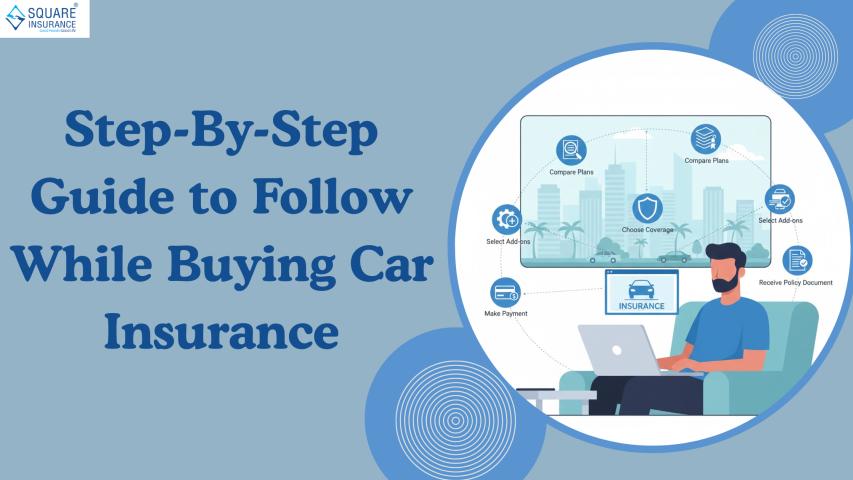
This step-by-step guide explains exactly how to
buy car insurance the right way, ensuring you get the right balance of
coverage, price, and long-term value.
Step 1: Understand Why Car Insurance Is Important
Car insurance protects you from three major
financial risks:
·
Third-party
liabilities: Legal and medical costs if you injure someone or
damage their property
·
Own
vehicle damage: Repairs due to accidents, fire, theft, or
natural calamities
·
Personal
financial stability: Avoiding sudden large expenses that can
disrupt savings
In India, third-party insurance is mandatory,
but relying only on minimum legal coverage may leave you vulnerable to high
repair bills. Understanding this difference helps you choose coverage that
truly protects you.
Step 2: Choose the Right Type of Policy
There are mainly two types of car insurance
policies:
Third-Party Car Insurance
·
Covers damage or injury to others
·
Legally mandatory
·
Does not cover damage to your own car
·
Cheapest option but limited protection
Comprehensive Car Insurance
·
Covers third-party liability and own vehicle
damage
·
Includes protection against theft, fire, floods,
and accidents
·
Offers option to add extra covers (add-ons)
For most car owners, comprehensive insurance
is the smarter choice because it provides complete financial protection.
Step 3: Check the Correct IDV of Your Car
IDV (Insured Declared Value) is the current
market value of your car. It directly affects:
·
Your premium
·
Your claim amount in case of total loss or theft
If IDV is too low, you will receive less
compensation during claims. If it is too high, you will pay unnecessary
premium. Always select an IDV that reflects your car’s realistic resale value.
Step 4: Evaluate Your Personal Driving and Usage Pattern
Your insurance needs depend on how and where
you drive:
·
Daily city driving increases accident risk
·
Flood-prone areas require engine protection
·
Open parking increases theft and damage risk
·
New cars need higher protection than older ones
Choosing insurance without considering usage
leads to either underinsurance or overspending.
Step 5: Select Add-Ons That Actually Add Value
Add-ons enhance your base policy. But not all
add-ons are useful for everyone.
Important add-ons to consider:
·
Zero
Depreciation Cover: Full claim without depreciation deduction
·
Engine
Protection Cover: Useful in flood-prone areas
·
Return
to Invoice Cover: Pays original invoice value in total loss
·
Roadside
Assistance: Emergency towing and breakdown support
·
NCB
Protection: Saves your no-claim bonus after small claims
Select add-ons based on risk exposure, not
just because they are available.
Step 6: Compare Premium and Coverage Together
Many buyers focus only on premium price, which
is a common mistake. Always compare:
·
Coverage limits
·
Add-on benefits
·
Claim settlement conditions
·
Exclusions
A cheaper policy with weak coverage may cost
more later during repairs. True comparison looks at both price and protection.
Step 7: Check Policy Exclusions Carefully
Every policy has exclusions such as:
·
Driving under influence
·
Using the car for commercial purposes
·
Mechanical failure not caused by accidents
·
Normal wear and tear
Understanding exclusions prevents surprises
during claim time and helps you avoid rejected claims.
Step 8: Verify Claim Process and Settlement Support
A good policy is not just about coverage but
also about smooth claims.
Check:
·
Whether cashless garages are available nearby
·
Ease of claim reporting
·
Document requirements
·
Turnaround time for claim settlement
Quick and transparent claim handling reduces
stress during accidents.
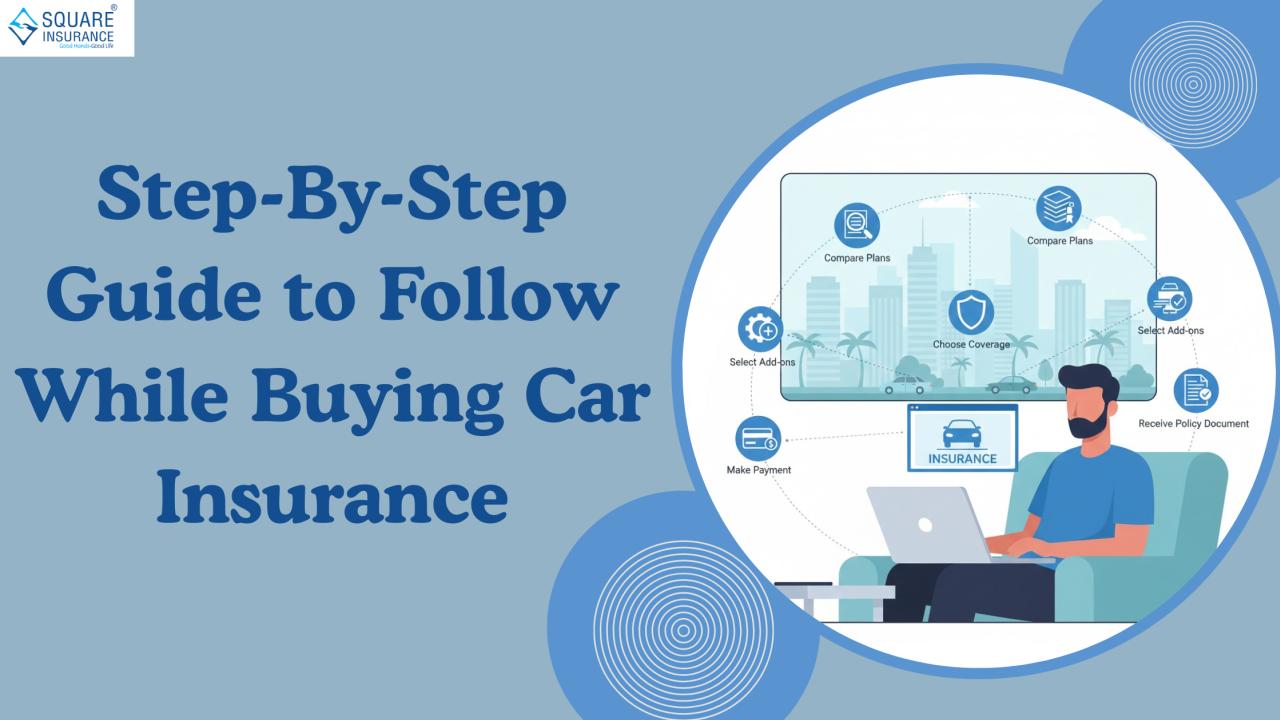
Step 9: Buy the Policy Online for Better Control
Buying car insurance online allows you to:
·
Compare multiple plans
·
Customize add-ons
·
View premium changes instantly
·
Access digital policy documents
Digital platforms also reduce paperwork and
save time, making the entire buying process more transparent.
Step 10: Review Details Before Making Payment
Before final confirmation, double-check:
·
Vehicle details
·
Personal information
·
Selected add-ons
·
Policy tenure
·
Nominee details if applicable
Small data errors can create big problems
during claims.
Common Mistakes to Avoid While Buying Car
Insurance
·
Choosing lowest premium without checking
coverage
·
Skipping add-ons for new cars
·
Selecting wrong IDV
·
Not transferring NCB while switching insurers
·
Ignoring policy exclusions
Avoiding these mistakes can save you
significant money and stress in the long run.
Conclusion
Buying car insurance is a decision that
directly affects your financial safety on the road. A well-chosen policy
protects not only your car but also your long-term savings. By following a
structured approach—understanding coverage, selecting useful add-ons, checking
IDV, and reviewing policy terms—you can avoid common buying mistakes and secure
complete protection.
Platforms like Square Insurance help
simplify this process by allowing you to compare policies, understand coverage
options clearly, and customize your insurance as per your needs. With the right
guidance and tools, buying car insurance becomes a confident and informed
decision rather than a confusing task.
Frequently Asked Questions
1. Is comprehensive car insurance mandatory
in India?
No, only third-party insurance is legally
mandatory. However, comprehensive insurance is strongly recommended for
complete financial protection.
2. How often should I review my car insurance
coverage?
You should review your coverage every year
during renewal to adjust IDV and add-ons as your car ages and your usage
pattern changes.
3. Can I change add-ons after buying the
policy?
Add-ons are usually selected at the time of
purchase or renewal. Mid-term changes may not be allowed by all insurers.
4. What documents are required to buy car
insurance online?
Typically, you need vehicle registration
details, previous policy information (if applicable), and basic personal
details.
5. Does higher premium always mean better
coverage?
Not
necessarily. The value lies in coverage benefits, claim support, and suitable
add-ons—not just premium amount.