
Buying car insurance is an essential
part of responsible vehicle ownership. In India, the car insurance market has
grown rapidly, offering multiple options for comprehensive and third-party
coverage. However, choosing the right policy can be overwhelming due to the
number of insurers, policy types, coverage options, and add-ons available.
Making an informed decision ensures your vehicle, finances, and peace of mind
are fully protected.
This guide explores the top factors to consider before buying car insurance in India in 2026, helping you make a choice that balances
cost, coverage, and convenience.
1.
Type of Car Insurance Policy
Car insurance policies in India
mainly come in two types:
Comprehensive
Insurance
- Covers damages to your car and third-party liabilities.
- Includes protection against accidents, theft, natural
disasters, fire, and more.
- Offers higher premiums but provides broader coverage.
Third-Party
Insurance
- Mandatory by law.
- Covers only damage or injury caused to another person
or their property.
- More affordable but limited in coverage.
2.
Insured Declared Value (IDV)
The IDV is the maximum amount
your insurer will pay in case of total loss or theft.
- It depends on your car’s age, make, model, and current
market value.
- Choosing an accurate
IDV is crucial: too low may reduce claim settlement, too high
increases premiums.
Tip: Compare the IDV with your car’s current market value and
choose a policy that balances protection and affordability.
3.
Premium Amount
While it’s tempting to choose the
cheapest policy, premium cost should be weighed against coverage:
- Compare multiple quotes to get the best value.
- Look for discounts
for no-claims history, safer cars, or multiple policies.
- Avoid compromising essential coverage for lower
premiums.
4.
Add-On Covers
Add-ons enhance your basic policy
with extra protection. Popular options include:
- Zero Depreciation Cover: Ensures full claim for car parts without depreciation.
- Engine and Gearbox Protection: Covers mechanical failures not included in standard
policies.
- Roadside Assistance:
Offers emergency help during breakdowns or accidents.
- Return to Invoice Cover: Helps recover the full invoice value in case of total
loss.
Consideration: Choose add-ons based on your car’s age, usage, and personal
risk preference.
5.
Insurer’s Claim Settlement Ratio (CSR)
The Claim Settlement Ratio
reflects how efficiently an insurer settles claims:
- A higher CSR indicates reliability and faster claim
settlement.
- Check the CSR from official insurance data or annual
reports.
- Avoid insurers with consistently low CSRs, as this may
lead to delays during emergencies.
Tip: CSR is especially critical for comprehensive policies,
where claims are frequent and high in value.
6.
Network Garages and Cashless Facilities
Cashless service at network garages
makes claim processing smoother:
- Check the insurer’s list of authorized garages near your location.
- Ensure the network includes garages that provide quick repairs and quality service.
- Cashless facilities save time and reduce out-of-pocket
expenses during repairs.
Tip: For new cars or high-value vehicles, a broad network of
service centers is a major advantage.
7.
Policy Renewal and Customer Service
Seamless renewal and responsive
customer service are crucial:
- Check if the insurer provides online renewal and reminders.
- Look for customer support availability through phone, chat, and email.
- Read reviews for response time, claim guidance, and policy support.
8.
Coverage Exclusions
Every policy has exclusions, so it’s
important to read the fine print:
- Common exclusions include wear and tear, intentional damage, or use in races.
- Verify the exclusions to ensure your policy aligns with
your needs.
Tip: Understanding exclusions prevents surprises during claim
settlements.
9.
Discounts and Loyalty Benefits
Some insurers offer discounts for:
- No-claims bonus (NCB): Reduces premium for claim-free years.
- Multiple car policies: Discounts when insuring more than one vehicle.
- Safe driving:
Some policies track driving behavior for rewards.
Consideration: Factor these benefits into your decision to lower long-term
costs without compromising coverage.
10.
Ease of Policy Management
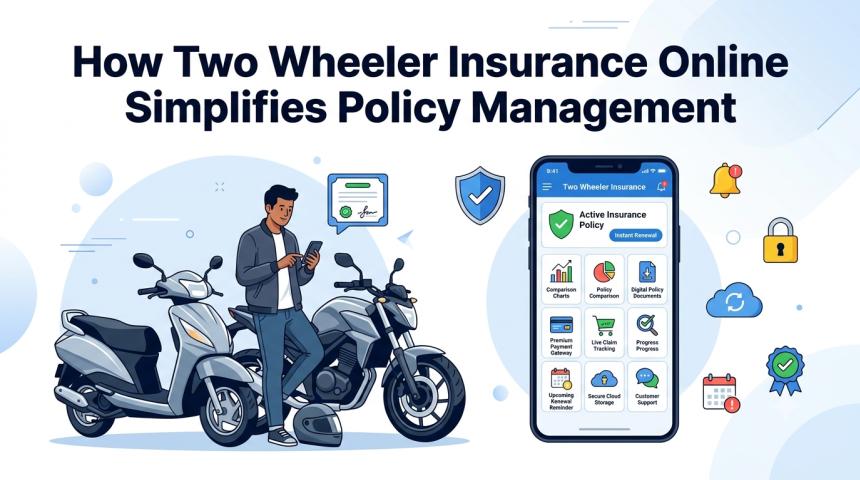
Digital tools simplify policy
management:
- Check if the insurer provides a mobile app or online portal.
- Features like policy
download, renewal reminders, claim filing, and premium payment save
time.
- Ensure secure and easy access to your insurance
documents.
Tip: For busy individuals, digital accessibility is an essential
convenience.
Conclusion
Choosing the right car insurance in
India requires careful evaluation of multiple factors, from policy type, IDV, and premiums, to claim settlement ratio, network garages,
add-ons, and digital services. Taking the time to compare and select a
suitable policy ensures that your car is protected, claims are processed
efficiently, and your finances remain secure.
Platforms like Square Insurance
simplify this process by offering a centralized
platform to compare policies, track renewals, and manage add-ons, making
it easier for vehicle owners to select the right coverage. With informed
choices, you can enjoy complete
protection, financial security, and peace of mind.
Frequently
Asked Questions
1.
What is the best type of car insurance in India?
Comprehensive insurance is
recommended for new or high-value cars, while third-party insurance meets legal
requirements at a lower cost.
2.
What is IDV in car insurance, and why is it important?
IDV (Insured Declared Value) is the
maximum claim amount for your car in case of theft or total loss. Choosing an
accurate IDV ensures proper coverage and premium balance.
3.
Should I buy add-on covers for my car insurance?
Yes, add-ons like zero depreciation,
roadside assistance, and engine protection provide additional security and
reduce out-of-pocket expenses during claims.
4.
How do I check an insurer’s reliability before buying?
Check the claim settlement ratio
(CSR), customer reviews, and network garages to evaluate reliability.
5.
Can I buy car insurance online in India?
Yes, most insurers offer online
policy purchase, renewal, and claim filing through official websites and mobile
apps.