Ecommerce development is not one-size-fits-all. While the core technologies may be similar, the challenges vary significantly across industries. Fashion, healthcare, and B2B retail each face unique technical, operational, and compliance-related hurdles that directly impact ecommerce growth and scalability.
Understanding these challenges helps businesses build more resilient, user-centric, and future-ready ecommerce platforms.
Ecommerce Development Challenges in the Fashion Industry
The fashion ecommerce app development industry is highly competitive, fast-moving, and trend-driven. Customers expect visually rich experiences and seamless shopping journeys.
1. Managing High Product Variations
Fashion ecommerce platforms must handle:
- Multiple sizes, colors, and >
- Seasonal collections and frequent updates
Challenge: Poor data structuring can lead to inventory errors and slow performance.
2. High Return Rates
Returns are common due to sizing and fit issues.
Development challenge:
Building features like size guides, virtual try-ons, and easy return workflows without affecting performance.
3. Visual Experience vs Performance
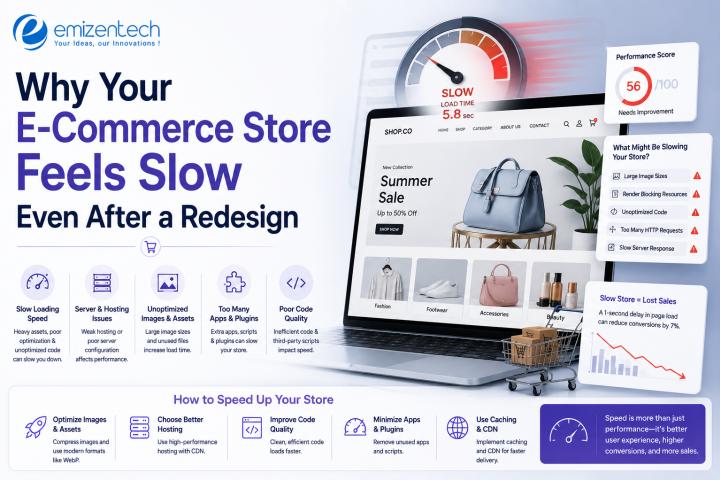
High-quality images and videos are essential but can slow down apps and websites.
Key issue:
Balancing immersive UI with fast load times and mobile optimization.
Ecommerce Development Challenges in the Healthcare Industry
Healthcare ecommerce demands extreme precision, compliance, and trust. Even small errors can have serious consequences.
1. Regulatory & Compliance Requirements
Healthcare platforms must comply with:
- HIPAA
- GDPR
- Local healthcare data regulations
Challenge:
Ensuring secure data handling while maintaining usability.
2. Data Security & Privacy
Healthcare ecommerce apps manage sensitive patient data, prescriptions, and medical records.
Development hurdle:
Implementing encryption, secure authentication, and role-based access without complicating the user experience.
3. Complex Product Information
Medical products require:
- Detailed descriptions
- Dosage guidelines
- Usage warnings
Challenge:
Displaying complex information clearly across devices.
Ecommerce Development Challenges in the B2B Retail Industry
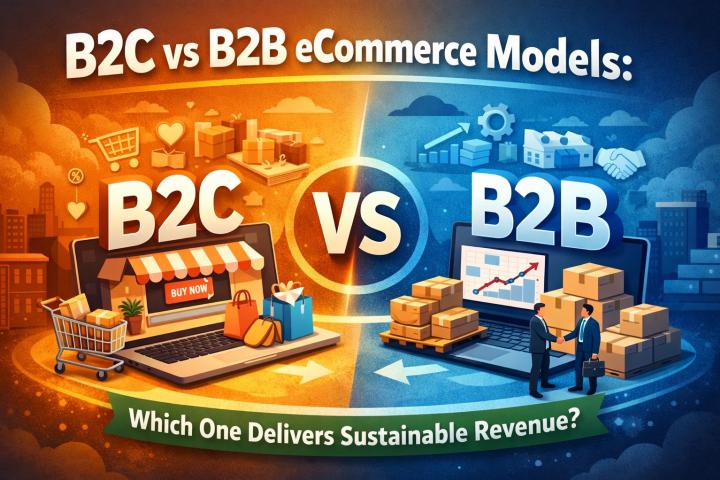
B2B ecommerce focuses more on efficiency, personalization, and long-term relationships rather than impulse buying.
1. Complex Pricing Structures
B2B platforms often need:
- Tiered pricing
- Volume discounts
- Contract-based rates
Development challenge:
Building flexible pricing engines that adapt to different clients.
2. Custom Workflows & Approval Processes
B2B purchases may involve:
- Multiple decision-makers
- Purchase approvals
- Credit-based payments
Key issue:
Designing workflows that support enterprise buying journeys without friction.
3. ERP, CRM & Inventory Integrations
B2B ecommerce must integrate with:
- ERP systems
- CRM platforms
- Supply chain software
Challenge:
Ensuring real-time data sync without system downtime or data inconsistencies.
Shared Ecommerce Development Challenges Across All Three Industries
Despite industry-specific differences, some challenges are universal:
- Scalability during traffic spikes
- Mobile-first optimization
- Performance and speed
- Omnichannel experience consistency
- Long-term maintenance and upgrades
Failing to address these challenges early can limit business growth and customer retention.
How Businesses Can Overcome These Challenges?
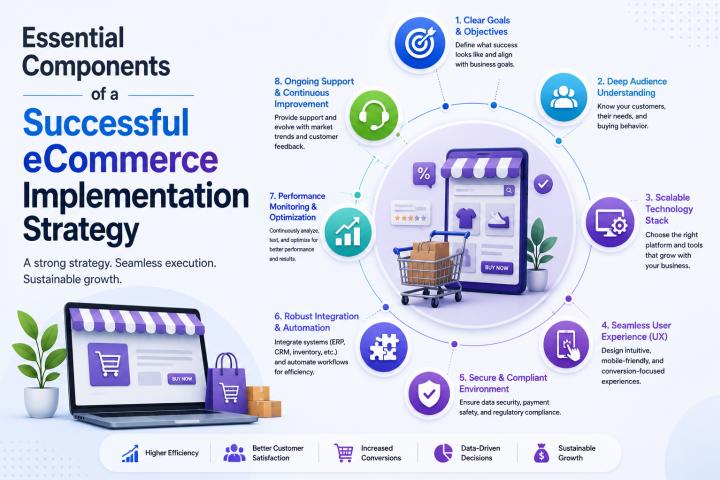
To build successful ecommerce platforms across fashion, healthcare, and B2B retail, businesses should:
- Invest in industry-specific ecommerce development
- Prioritize security, performance, and compliance
- Use scalable and flexible architectures
- Focus on user-centric design and workflows
- Plan integrations and growth from the start
Final Thoughts
Ecommerce app development challenges differ widely across fashion, healthcare, and B2B retail industries—but the goal remains the same: delivering reliable, secure, and seamless digital commerce experiences.
Businesses that recognize these industry-specific complexities and invest in professional ecommerce development gain a strong competitive advantage and long-term scalability in today’s digital economy.