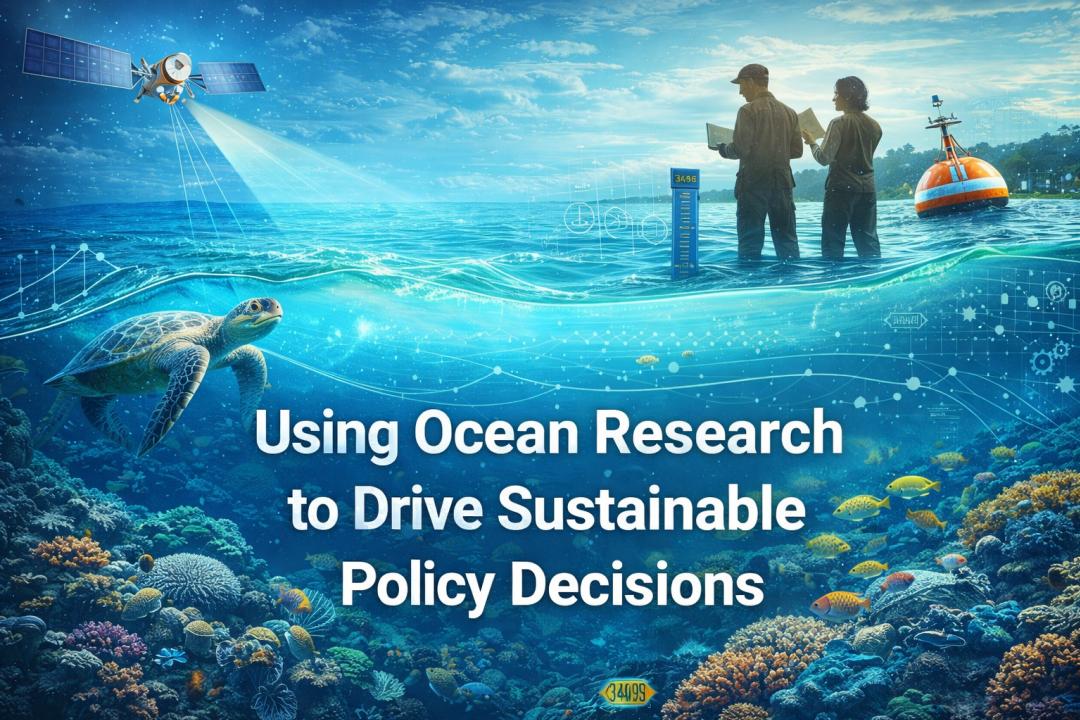
Ocean research plays a critical role in shaping sustainable policies aimed at protecting marine ecosystems and addressing climate change. By providing data on ocean health, biodiversity, and climate patterns, ocean scientists offer the necessary evidence that informs decision-making for sustainable environmental practices.
Why Ocean Research Matters for Policy
Oceans regulate the Earth’s climate, support biodiversity, and provide essential resources. However, they are under increasing threat from human activities, such as overfishing, pollution, and climate change. Ocean research is key to understanding these impacts and creating policies that promote sustainability and resilience.
Key Areas of Ocean Research Informing Policy
1. Marine Conservation: Data on the health of marine species and ecosystems helps develop conservation policies that protect endangered species and marine habitats.
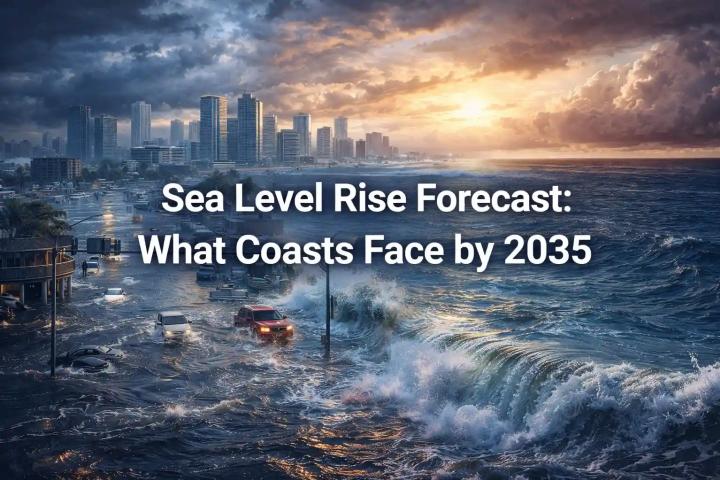
2. Climate Change: Ocean research contributes to understanding how rising temperatures, acidification, and sea level rise impact marine environments, helping policymakers develop strategies for mitigation and adaptation.
3. Sustainable Fisheries Management: Research on fish populations, ecosystems, and ocean circulation aids in creating regulations that promote sustainable fishing practices.
4. Pollution Control: Ocean research identifies sources of pollution, such as plastics and chemical contaminants, helping policymakers create targeted laws to reduce ocean pollution.
Why Oceanography.com Supports Sustainable Policy
At Oceanography.com, we provide a range of educational resources, research data, and expert insights into ocean science. This knowledge helps lawmakers, environmental organizations, and businesses create informed, sustainable policies that support healthy oceans and a sustainable future.
Explore how ocean research is shaping sustainable policies 👉 https://www.oceanography.com