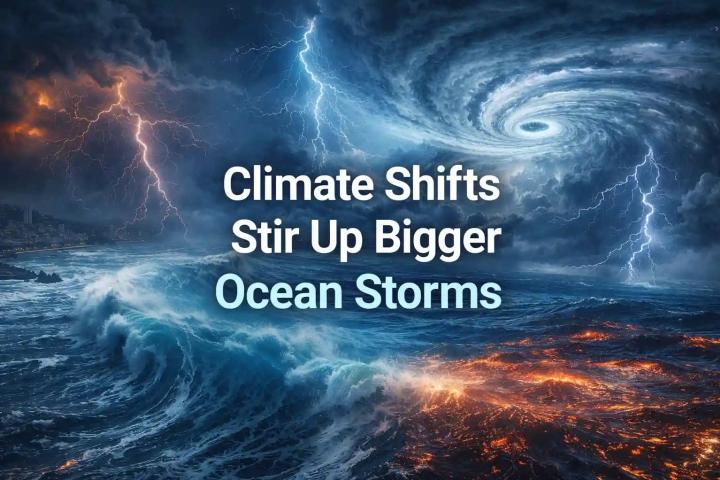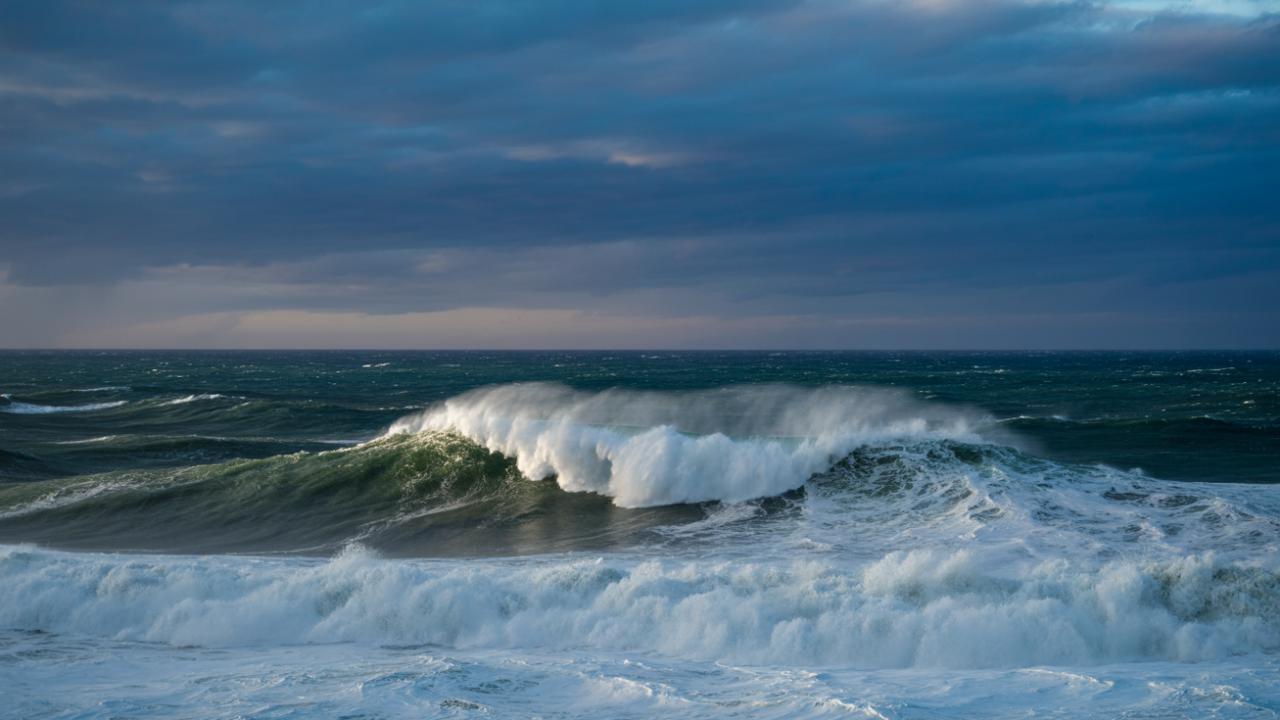
As the Earth’s climate changes, so does the power of our oceans. Warmer sea temperatures and shifting atmospheric conditions are combining to create bigger, stronger, and more frequent ocean storms. Understanding how climate shifts stir up these storms is essential for preparing coastal areas for the increasing threat of hurricanes, typhoons, and cyclones.
Why Climate Shifts Affect Ocean Storms
The oceans are a massive heat engine that regulates global weather patterns. As the planet warms due to climate change, sea temperatures rise, fueling more powerful storms. This increase in ocean warmth and moisture intensifies hurricanes and typhoons, making them more destructive and unpredictable.
How Climate Change Drives Bigger Storms
1. Warmer Ocean Temperatures: Rising sea surface temperatures provide more energy for storms, leading to stronger winds and heavier rainfall.
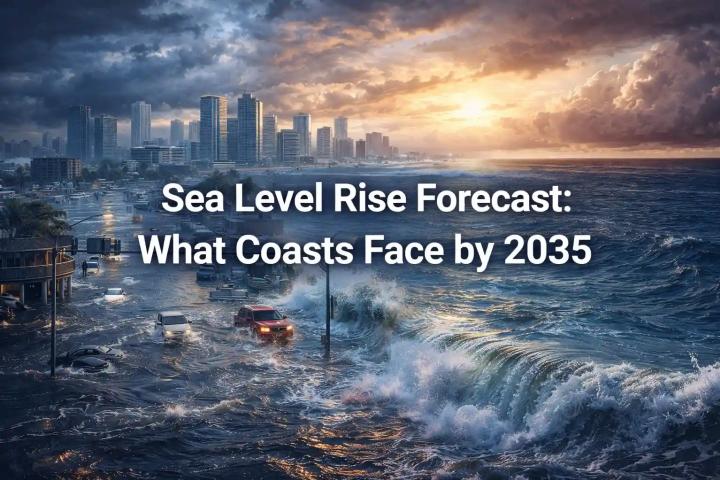
2. Higher Sea Levels: Melting ice caps and glaciers contribute to rising sea levels, which exacerbate storm surges, flooding, and coastal erosion.
3. Changing Wind Patterns: Climate change disrupts the atmospheric conditions that steer storms, making them more erratic and harder to predict.
4. Increased Moisture: Warmer oceans lead to more evaporation, providing storms with the extra moisture they need to intensify.
Why This Matters for the Future
As ocean temperatures continue to rise, the frequency and intensity of ocean storms are expected to increase. This creates greater risks for coastal communities, agriculture, and infrastructure. Understanding the connection between climate change and storm intensity is crucial for developing adaptation strategies and disaster preparedness plans.
Learn more about the impacts of climate change on ocean storms 👉 https://www.oceanography.com