
Introduction
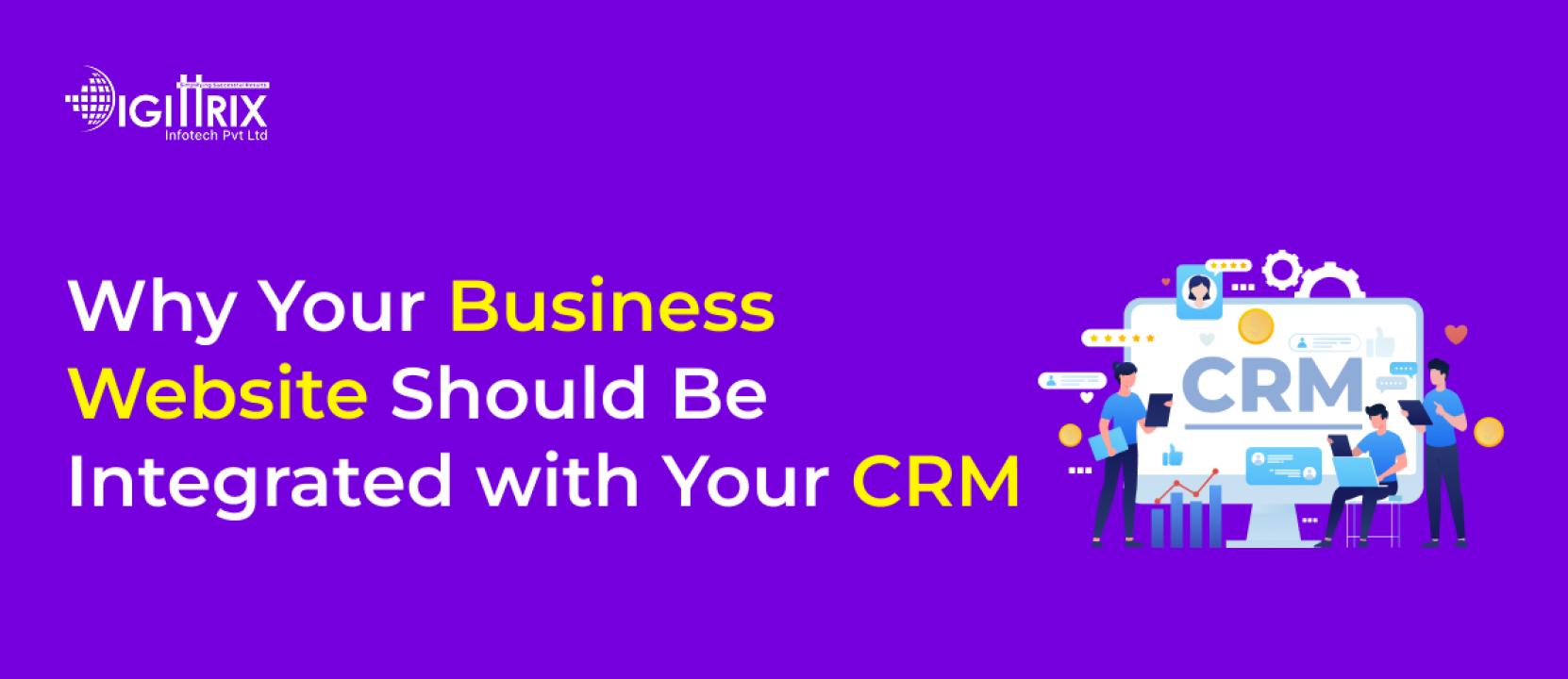
Across India’s growing digital economy, business websites serve as the primary gateway for customer interaction. From Delhi-based service providers to Bengaluru tech startups and Jaipur retailers, companies depend on their websites to generate inquiries, bookings, and product sales. However, when website data remains disconnected from internal systems, opportunities often slip through the cracks. Missed follow-ups, delayed responses, and scattered records can weaken customer trust. Integrating your website with a centralized customer management system ensures that every inquiry, click, and form submission is captured, organized, and acted upon efficiently in a highly competitive Indian market.
Strengthening Digital Foundations with Smart Systems
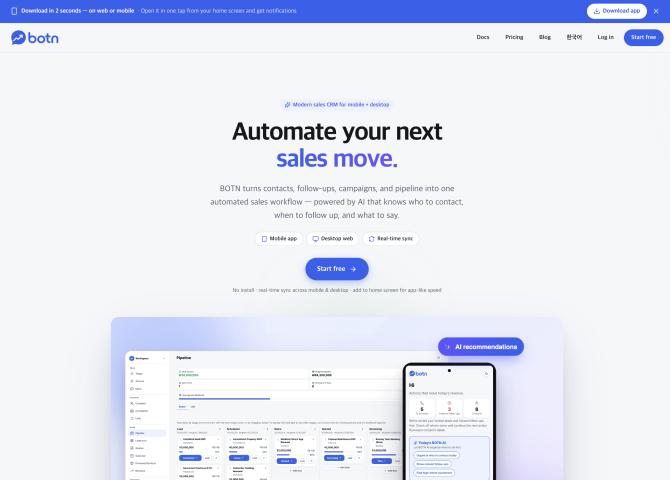
Adopting crm software development allows Indian enterprises to connect website touchpoints directly with structured customer databases. When visitors fill out contact forms, request quotations, or subscribe to newsletters, their information automatically flows into a centralized platform. This eliminates manual data entry and reduces the risk of errors. For businesses managing high inquiry volumes from multiple states, automation helps categorize leads by location, service type, or industry segment. It also supports GST-linked billing records and structured documentation, which are important for compliance and operational clarity. With proper integration, teams gain visibility into customer history without switching between multiple tools.
Regional Responsiveness Matters
Indian customers often expect quick communication, especially when comparing services or products online. Website and CRM integration ensures that inquiries from cities like Hyderabad, Lucknow, or Ahmedabad are automatically routed to the appropriate team member, reducing response time and improving customer satisfaction.
Aligning Sales and Marketing with Data Insights
When companies invest in crm development services, they create a bridge between marketing campaigns and sales execution. Website behavior such as product views, demo registrations, or pricing page visits can be tracked and linked to individual customer profiles. This data enables teams to prioritize high-intent prospects and design targeted follow-up strategies. Indian MSMEs and startups can especially benefit by tracking campaign performance across digital channels, including social media and email promotions. Instead of relying on assumptions, decision-makers gain access to measurable insights regarding which services generate the most inquiries and which regions contribute the highest revenue potential.
Key Functional Benefits for Indian Enterprises
Integrating your website with a CRM platform delivers practical advantages:
Automatic capture of leads from contact and inquiry forms
Real-time notifications for sales teams
Centralized dashboard for monitoring inquiries and conversions
Integration with SMS and WhatsApp communication tools
Lead segmentation by state, industry, or service category
Tracking of customer interaction history
Simplified coordination between marketing and sales departments
Performance monitoring of digital campaigns
Secure role-based system access
Mobile accessibility for field executives
These features help Indian businesses manage growing customer interactions without losing track of communication or important data.
Final Words
In India’s dynamic digital landscape, website integration with a CRM platform is no longer optional for businesses aiming for structured growth. A connected system supports organized data handling, faster customer responses, and better coordination between departments. It minimizes manual work, reduces information silos, and allows businesses to maintain consistent engagement with prospects across regions. As competition increases in sectors ranging from e-commerce to professional services, companies that integrate their website with a CRM system position themselves to manage leads more effectively and maintain stronger, long-term customer relationships.