Startups operate in highly competitive environments where speed, efficiency, and innovation determine success. In 2026, the rapid advancement of artificial intelligence has made AI automation a crucial tool for emerging businesses. From streamlining operations to improving decision-making, AI-powered technologies allow startups to scale faster while reducing operational costs.
As digital ecosystems grow more complex, startups must manage large volumes of data, customer interactions, and internal workflows. Traditional manual processes often slow down progress and consume valuable resources. This is where AI automation plays a transformative role by enabling businesses to automate repetitive tasks, analyze data intelligently, and focus on strategic growth.
The Growing Role of AI Automation in Startup Operations
Startups often operate with limited teams and budgets, which makes efficiency a top priority. AI automation helps small teams handle workloads that would otherwise require a much larger workforce. By automating routine tasks such as data processing, content management, and customer inquiries, startups can allocate more time to innovation and product development.
In 2026, startups are increasingly using AI-driven platforms to manage daily operations. These tools can automatically categorize data, generate insights, and optimize workflows. Instead of manually reviewing large datasets, founders and teams can rely on AI systems to provide actionable information quickly.
Another key advantage is the ability to integrate multiple tools and platforms through automated systems. With AI managing repetitive tasks behind the scenes, startups can operate more efficiently and respond faster to market opportunities.
Enhancing Decision-Making with AI Deep Research
Data-driven decision-making has become essential for startup success. However, gathering and analyzing large volumes of information can be time-consuming. AI deep research tools are designed to solve this challenge by automatically collecting, organizing, and analyzing data from multiple sources.
For startups, these technologies provide valuable insights that guide product development, marketing strategies, and customer engagement. Instead of relying on guesswork, founders can use AI-powered research tools to understand market trends, competitor activity, and consumer behavior.
In many cases, AI systems can analyze thousands of data points in minutes, producing insights that would take human analysts days or weeks to compile. This capability allows startups to make faster and more informed decisions, giving them a significant competitive advantage.
As a result, AI deep research has become a core component of modern startup strategies, enabling businesses to stay agile in rapidly changing markets.
Faster Information Access Through AI Web Search
Another area where AI automation is transforming startups is information retrieval. Traditional search engines provide large volumes of results, but filtering through them manually can slow down research processes.
Modern AI web search technologies use advanced algorithms to deliver more accurate and contextual results. Instead of simply listing links, AI-powered search tools analyze the intent behind a query and provide highly relevant information.
For startups conducting market research, competitor analysis, or industry monitoring, this technology significantly reduces the time required to gather insights. Teams can quickly identify emerging trends, discover new opportunities, and access reliable data for strategic planning.
By integrating AI web search capabilities into their workflows, startups can remain informed and responsive in fast-moving industries.
Automating Complex Tasks with AI Web Search Agents
Beyond basic research and search functions, startups are increasingly adopting intelligent systems known as AI web search agents. These advanced tools can perform complex tasks automatically, including monitoring online data, gathering competitive intelligence, and generating reports.
For example, an AI web search agent can track changes in market trends, monitor industry news, and alert startup teams when relevant updates occur. This proactive approach allows startups to react quickly to new developments without constantly performing manual research.
These systems also support automated content discovery, helping startups identify useful resources, tools, and insights that can support their growth strategies. As AI technology evolves, AI web search agents are expected to become even more sophisticated, handling increasingly complex research and operational tasks.
Improving Productivity and Operational Efficiency
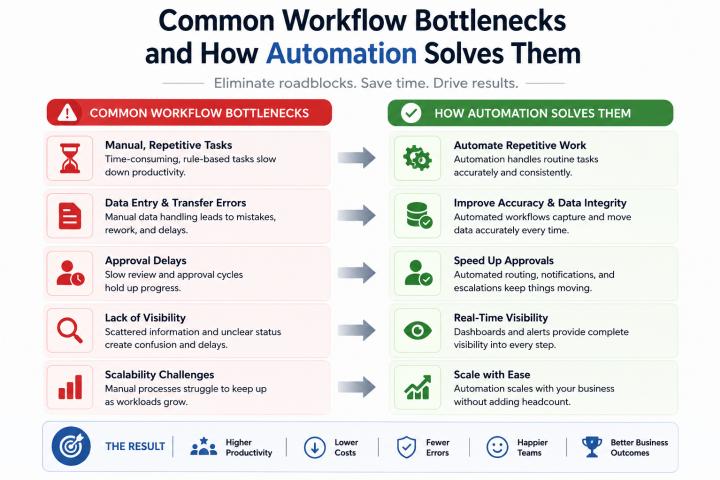
One of the biggest challenges startups face is managing multiple responsibilities with limited resources. From customer service to product development, teams often juggle numerous tasks simultaneously. AI automation reduces this burden by handling repetitive processes that would otherwise consume valuable time.
For instance, AI-powered tools can automatically manage scheduling, data entry, customer support inquiries, and document processing. By eliminating manual tasks, startups can significantly improve productivity and reduce operational inefficiencies.
Even document management processes can benefit from automation. Many startups regularly work with digital files such as contracts, proposals, and reports. In such cases, teams may need to quickly modify or update documents, and using an online tool to edit PDF files can help streamline document handling within automated workflows.
When combined with AI-powered automation systems, these digital tools create a seamless environment where information flows efficiently across different business processes.
Driving Innovation and Competitive Advantage
In 2026, startups that adopt AI automation gain a clear advantage over competitors relying on manual processes. Automation not only improves efficiency but also enables teams to focus on innovation and strategic initiatives.
By reducing the time spent on repetitive work, founders and employees can concentrate on product development, creative problem-solving, and customer experience improvements. This shift allows startups to innovate faster and respond to market changes more effectively.
Additionally, AI-powered systems continuously learn and improve over time. As startups use these technologies, the algorithms become more accurate and efficient, further enhancing productivity and decision-making capabilities.
The Future of AI Automation for Startups
The role of AI automation in startup ecosystems will continue to grow as artificial intelligence technologies evolve. Future platforms will combine automation, research, and intelligent search capabilities into unified systems that support nearly every aspect of business operations.
Technologies such as AI deep research, AI web search, and AI web search agents will become increasingly integrated into startup workflows. These tools will help businesses analyze complex data, discover opportunities, and automate time-consuming tasks with minimal human intervention.
For startups looking to compete in the digital economy, adopting AI-powered automation is no longer optional—it is essential. By leveraging these technologies, emerging businesses can operate more efficiently, make smarter decisions, and build sustainable growth strategies in an increasingly competitive marketplace.