
Why SEO is Important for Schools
SEO is the process of improving your school’s website so that it appears higher in search engine results. When done correctly, it helps schools:
- Attract more admission inquiries
- Build trust with parents
- Increase website traffic
- Improve local visibility in your area
Most parents shortlist schools that appear in the top results because they are perceived as more credible and trustworthy. If your school is not visible, it is often not even considered.
In fact, studies show that most users never go beyond the first page of Google, making ranking a critical factor in school admissions growth.
Understanding How Parents Search for Schools
To succeed in SEO, schools must first understand how parents search online. Common search patterns include:
- “Best CBSE school in [city]”
- “English medium school near me”
- “Affordable school with hostel facilities”
- “Top-rated schools with good results”
- “Admission open for nursery classes”
These searches clearly show that parents care about location, affordability, results, and facilities.
Your SEO strategy should directly target these intent-based keywords.
Key SEO Strategies for Schools
1. Local SEO Optimization
Local SEO is the most powerful tool for schools because admissions are location-based.
To improve local visibility:
- Create and optimize Google Business Profile
- Add correct name, address, and phone number (NAP)
- Upload real campus photos
- Encourage parent reviews
When done correctly, your school can appear in Google Maps results when someone searches “schools near me.”
2. Keyword Optimization for Admissions
Keywords are the foundation of SEO.
Schools should naturally include keywords in:
- Website titles
- Headings (H1, H2, H3)
- Blog posts
- Admission pages
Examples of strong keywords include:
- best school in [city]
- admission open school near me
- CBSE school with hostel facility
- top private school for kids
Avoid keyword stuffing and focus on natural placement.
3. High-Quality Content Creation
Content plays a major role in ranking. Schools should regularly publish helpful content such as:
- Admission guides
- Fee structure explanations
- Curriculum details
- Exam preparation tips
- School event updates
This builds trust with parents and signals authority to Google.
4. Website Structure and User Experience
A well-structured website improves both SEO and user experience.
Key improvements include:
- Fast loading speed
- Mobile-friendly design
- Simple navigation menus
- Clear admission enquiry buttons
If parents cannot easily find information, they will leave your website quickly, increasing bounce rate and lowering rankings.
5. Image Optimization and Alt Text
Search engines cannot “see” images, so they rely on alt text.
Every school image should include descriptive text like:
- “Students participating in science lab experiment”
- “Annual sports day event at school campus”
This improves accessibility and SEO ranking potential.
6. Backlinks and Authority Building
Backlinks are links from other websites pointing to your school website.
Schools can build backlinks by:
- Collaborating with education blogs
- Getting listed in school directories
- Publishing press releases
- Partnering with local organizations
More quality backlinks = higher trust and better rankings.
Common SEO Mistakes Schools Make
Many schools fail in SEO due to:
- Ignoring local SEO
- Not updating website content regularly
- Slow or outdated websites
- Lack of Google reviews
- Poor keyword targeting
Fixing these issues can significantly improve visibility.
The Future of SEO for Schools
SEO is evolving rapidly. In the coming years, schools will need to focus on:
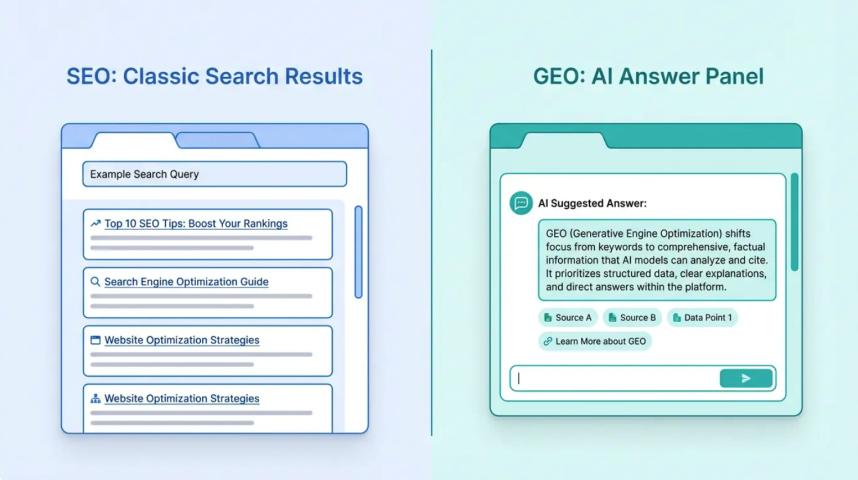
- AI-based search optimization
- Voice search queries like “best school near me”
- Mobile-first indexing
- Video content for engagement
- Hyperlocal SEO targeting
Schools that adapt early will have a strong competitive advantage in admissions.
Conclusion
SEO is no longer optional for educational institutions—it is a necessity.
By implementing strong local SEO, keyword optimization, quality content, and technical improvements, schools can significantly increase visibility, attract more parents, and boost admissions.
In a competitive education market, the schools that rank higher on Google are the ones that grow faster and gain more trust from parents.