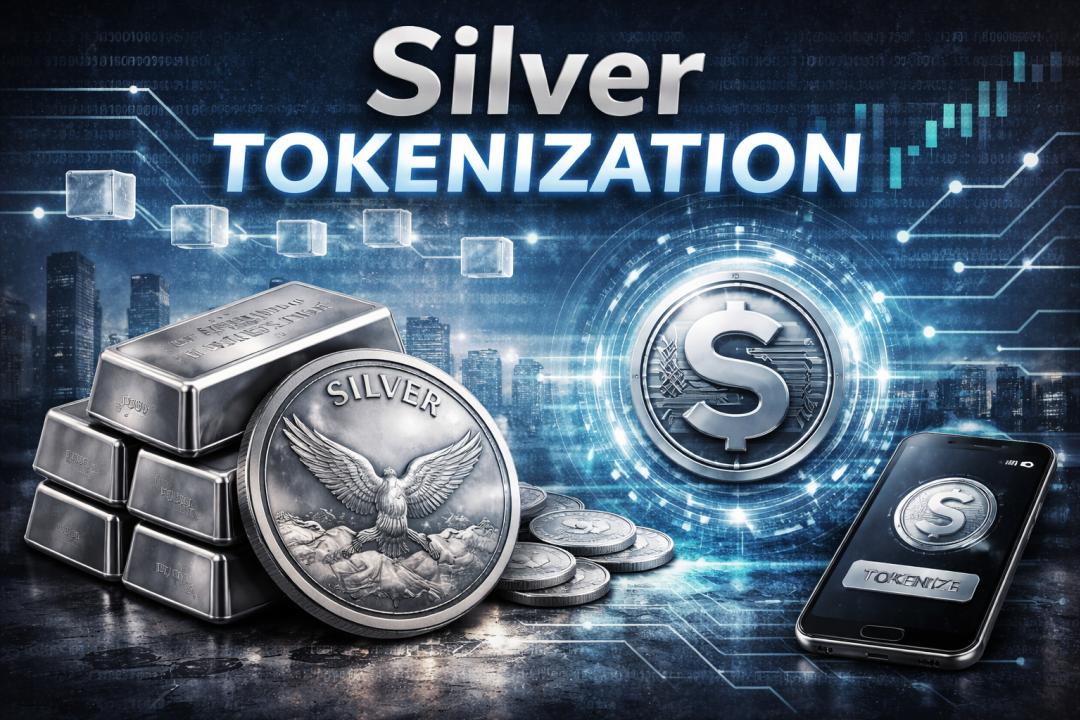
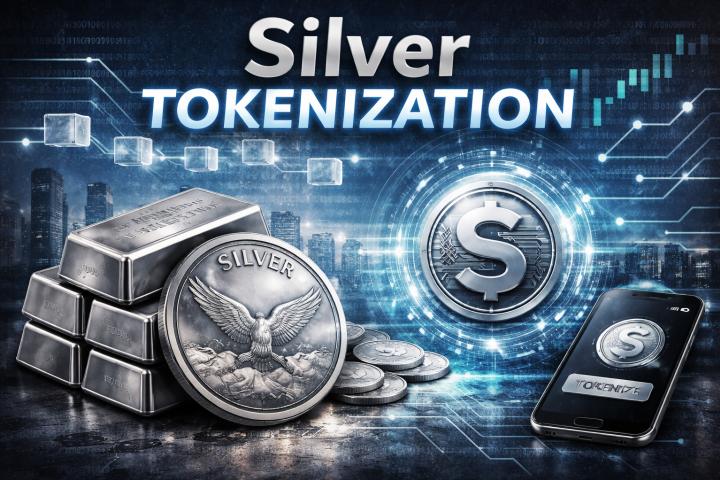
The financial world is evolving rapidly, and one of the most exciting developments is the rise of silver tokenization. As digital assets continue to grow, tokenized silver is gaining attention from both retail and institutional investors.
But why is this trend becoming so popular? And what does the future hold?
Let’s explore.
The Rise of Real-World Asset Tokenization
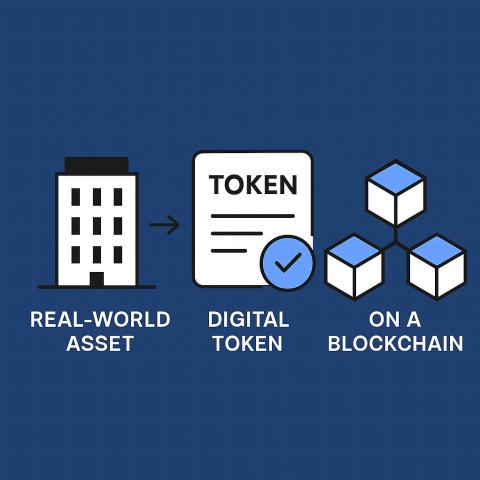
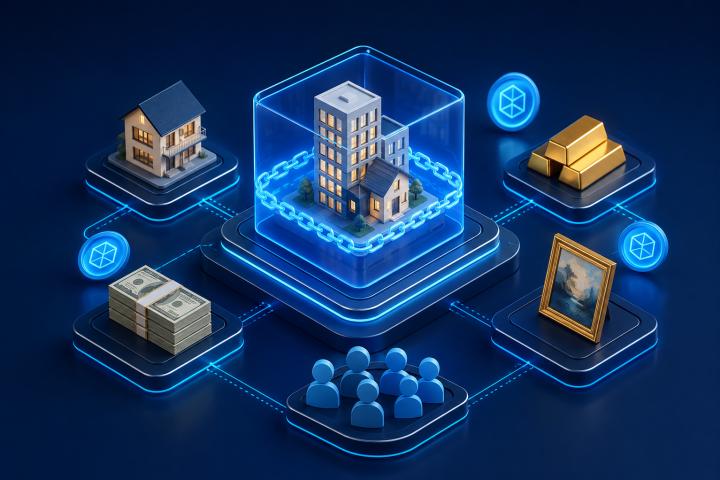
Tokenization is not limited to cryptocurrencies. It is now being applied to real-world assets such as real estate, art, and precious metals.
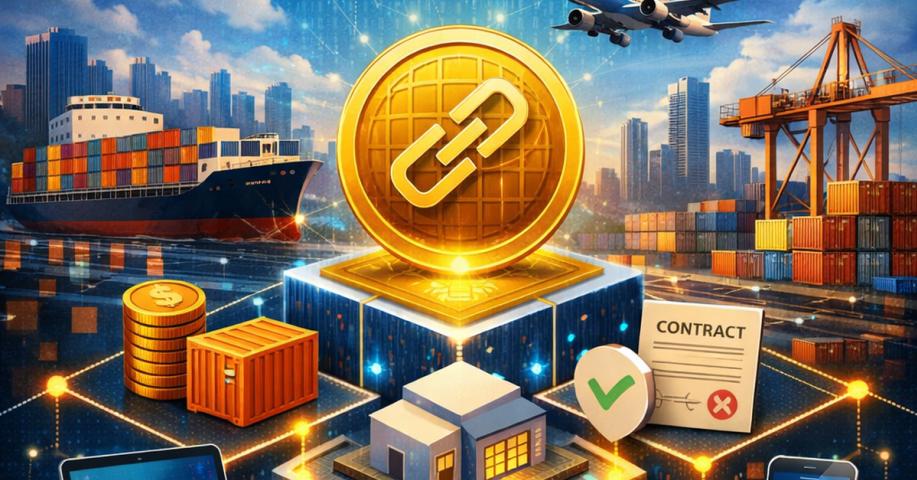
Silver tokenization is part of this broader trend, often referred to as Real-World Asset (RWA) tokenization.
Using blockchain platforms like Ethereum, physical assets can be digitized and traded globally. This innovation is transforming how ownership works.
Why Silver is Ideal for Tokenization
Silver has unique qualities that make it perfect for tokenization:
1. Affordability
Compared to gold, silver is more affordable, making it attractive to a wider audience.
2. Industrial Demand
Silver is widely used in industries such as electronics, solar panels, and medical devices. This creates consistent demand.
3. Investment Value
It serves as a hedge against inflation, similar to gold.
These factors make silver a strong candidate for digital transformation.
Advantages of Silver Tokenization
1. Increased Accessibility
Investors can participate with small amounts, breaking down traditional barriers.
2. Enhanced Liquidity
Tokenized assets can be traded 24/7, unlike traditional markets.
3. Transparency and Trust
Blockchain ensures that ownership records are secure and verifiable.
4. Integration with DeFi
Tokenized silver can be used in decentralized finance (DeFi) applications for lending, borrowing, and earning interest.
Silver vs Gold Tokenization
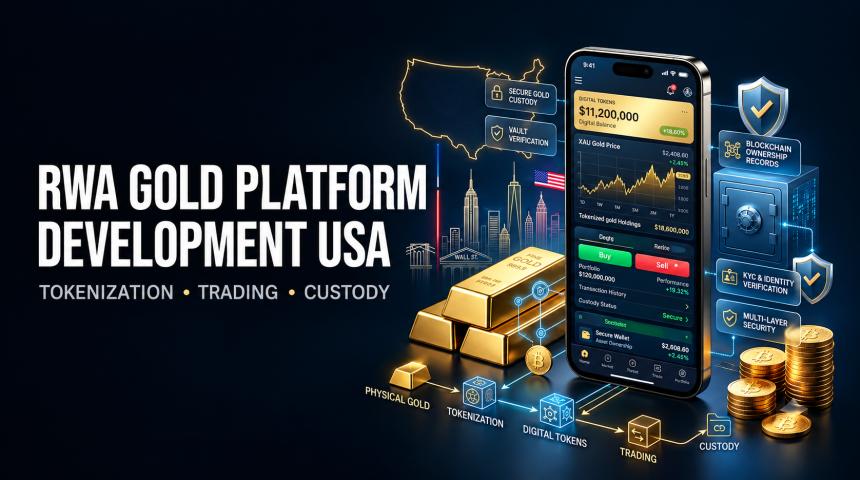
While both metals are being tokenized, silver offers some unique advantages:
- Lower entry cost
- Higher industrial usage
- Greater potential for mass adoption
Gold remains a premium asset, but silver is more practical for everyday investors.
Challenges Facing Silver Tokenization
Despite its potential, there are hurdles to overcome:
1. Regulatory Issues
Governments are still defining rules for digital assets. Compliance is essential for long-term growth.
2. Custody and Security
Ensuring that physical silver is securely stored and audited is critical.
3. Market Awareness
Many investors are still unfamiliar with tokenization, which slows adoption.
Future Trends to Watch
1. Institutional Adoption
Large financial institutions are beginning to explore tokenized assets. This could bring credibility and stability to the market.
2. Improved Regulation
Clear regulations will increase investor confidence and encourage growth.
3. Technological Advancements
Better blockchain infrastructure will improve speed, scalability, and security.
Organizations like World Economic Forum have highlighted tokenization as a key trend shaping the future of finance.
Is Silver Tokenization a Good Investment?
Silver tokenization offers a unique combination of:
- Stability (from physical silver)
- Flexibility (from digital tokens)
- Accessibility (for global investors)
However, it is important to evaluate:
- The credibility of the platform
- Regulatory compliance
- Transparency of reserves
Like any investment, it carries risks, but the potential rewards are significant.
Conclusion
Silver tokenization is more than just a trend—it represents a shift in how we think about ownership and investment. By combining traditional assets with blockchain technology, it opens new opportunities for investors worldwide.
As technology advances and regulations become clearer, silver tokenization is likely to play a major role in the future of finance.
For investors willing to embrace innovation, this could be an exciting space to watch—and possibly invest in.