
Nigeria’s transportation ecosystem is undergoing a digital transformation, fueled by increasing smartphone usage, urban congestion, and the need for reliable commuting options. Ride-hailing services have become an essential part of daily life in cities like Lagos, Abuja, and Port Harcourt. For entrepreneurs looking to enter this thriving market, developing an uber clone app is one of the smartest and fastest ways to get started. Instead of building from scratch, a ready-made solution allows businesses to launch quickly with tested features and proven functionality.
What is an Uber Clone App?
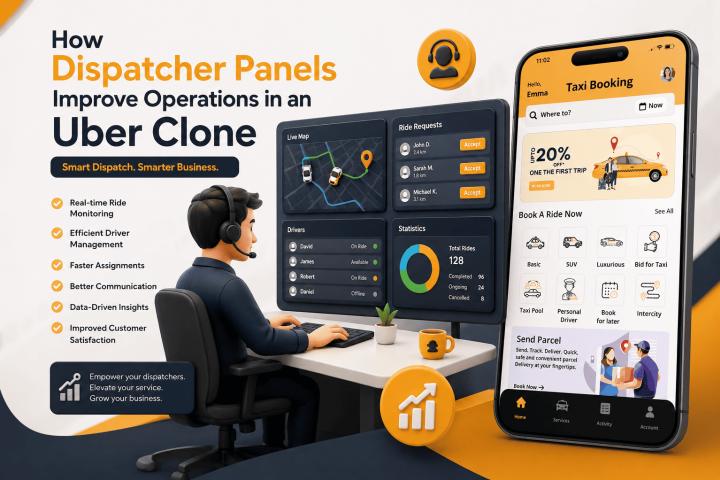
An uber clone app is a pre-built ride-hailing solution that replicates the core features and workflow of popular platforms like Uber. It includes passenger apps, driver apps, and an admin panel, enabling seamless interaction between users, drivers, and business owners. Choosing an uber clone app helps startups minimize development time while ensuring they offer a familiar and user-friendly experience to customers.
Why Nigeria is the Perfect Market for Ride-Hailing Apps
Nigeria presents a huge opportunity for ride-hailing startups due to its large population and rapidly growing urban centers. Traffic congestion, inconsistent public transport systems, and increased demand for safer travel options make digital mobility solutions highly attractive. By launching an uber clone app, entrepreneurs can address these challenges while building a scalable and profitable business model. Additionally, the rise of digital payments and mobile wallets in Nigeria further supports the success of an uber clone platform.
Key Features of a Successful Uber Clone App
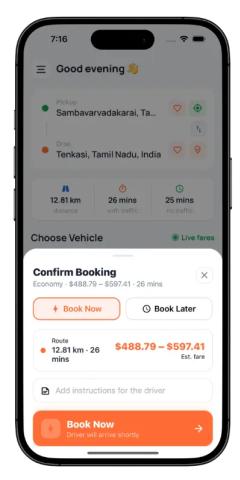
To stand out in the competitive Nigerian market, your uber clone app must include essential features that enhance user experience and operational efficiency. Real-time GPS tracking allows users to monitor rides accurately, while fare estimation ensures transparency before booking. Multiple payment options, including cash, cards, and mobile wallets, are crucial in Nigeria’s diverse payment landscape. Driver and passenger profiles, ratings, and reviews help build trust and accountability. Push notifications keep users informed about ride status, promotions, and updates. An intuitive admin dashboard enables business owners to manage rides, drivers, earnings, and analytics efficiently. Integrating these features into your uber clone ensures a seamless and competitive platform.
Benefits of Launching an Uber Clone App in Nigeria
One of the biggest advantages of using an uber clone app is faster time to market. Instead of spending months or years on development, you can launch your platform within weeks. Cost-effectiveness is another key benefit, as pre-built solutions are significantly more affordable than custom development. Scalability allows your business to expand into multiple cities or add new services such as bike taxis or delivery. With an uber clone, you also gain access to a proven business model that has already succeeded globally, reducing risks associated with startups.
Customization and Localization for the Nigerian Market
While an uber clone provides a ready-made framework, customization is essential for success in Nigeria. Localizing your app to support regional languages, payment preferences, and cultural nuances can significantly improve user adoption. For example, offering cash payments remains critical in many parts of Nigeria. Additionally, optimizing the app for low-bandwidth environments ensures accessibility for users with limited internet connectivity. By tailoring your uber clone to local needs, you can create a more relevant and engaging experience.
Technology Stack Behind an Uber Clone App
A robust technology stack is the backbone of any successful uber clone app. Technologies such as React Native or Flutter are commonly used for cross-platform mobile app development, while backend systems may rely on Node.js or Laravel. Cloud infrastructure ensures scalability and performance, while APIs like Google Maps enable accurate navigation and route optimization. Investing in the right technology ensures that your uber clone delivers high performance, reliability, and security for both users and drivers.
Cost of Developing an Uber Clone App in Nigeria
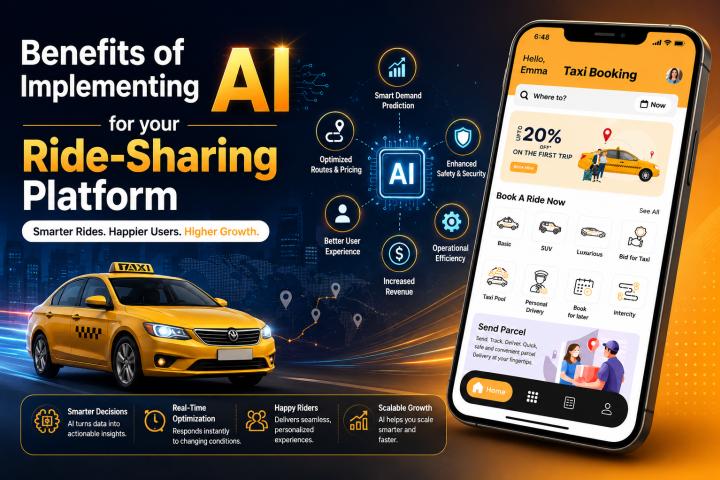
The cost of building an uber clone app in Nigeria depends on several factors, including features, customization level, and development approach. A basic version with essential features is more affordable, while advanced functionalities such as AI-based route optimization or analytics can increase the cost. However, compared to building an app from scratch, an uber clone significantly reduces development expenses while maintaining quality and performance. Entrepreneurs should also consider ongoing costs such as maintenance, updates, and marketing.
Marketing Strategies for Your Ride-Hailing Business
Launching your uber clone app is just the beginning; effective marketing is essential for growth. Digital marketing strategies such as social media campaigns, search engine optimization, and paid advertising can help attract users. Partnering with local businesses and offering promotions or referral programs can boost user acquisition. Building trust through excellent customer service and driver support is equally important. By implementing a strong marketing strategy, your uber clone can quickly gain traction in Nigeria’s competitive market.
Challenges and How to Overcome Them
Like any business, launching an uber clone app in Nigeria comes with challenges. Regulatory compliance, driver recruitment, and competition are common hurdles. To overcome these challenges, it’s important to stay updated with local laws and regulations, implement driver verification processes, and focus on delivering superior service quality. Continuous improvement and user feedback can help refine your uber clone and maintain a competitive edge.
Future of Ride-Hailing Apps in Nigeria
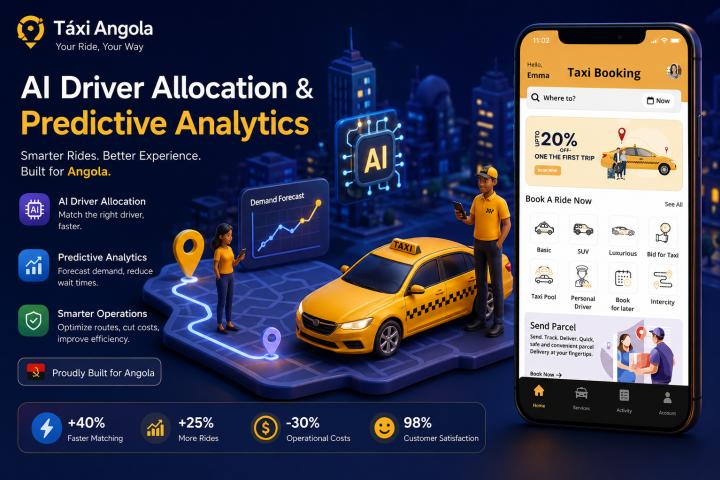
The future of ride-hailing in Nigeria looks promising, with increasing adoption of digital solutions and growing investment in mobility technology. Innovations such as electric vehicles, AI-based ride matching, and integration with public transport systems are expected to shape the industry. By investing in an uber clone app today, entrepreneurs can position themselves at the forefront of this evolving market and capitalize on emerging opportunities.
Conclusion
Launching a ride-hailing business in Nigeria has never been more accessible, thanks to the availability of advanced solutions like an uber clone app. With the right features, localization, and marketing strategies, entrepreneurs can build a successful and scalable platform that meets the needs of modern commuters. If you’re planning to enter the ride-hailing industry, partnering with an experienced development company can make all the difference. Mobility Infotech offers cutting-edge solutions to help you build and launch a powerful uber clone app tailored to your business goals.
FAQs
1. What is an uber clone app?
An uber clone app is a ready-made ride-hailing solution that replicates the core features of Uber, allowing businesses to launch quickly with minimal development time.
2. How much does it cost to develop an uber clone app in Nigeria?
The cost varies depending on features and customization, but it is generally more affordable than building a ride-hailing app from scratch.
3. Can I customize an uber clone for my business?
Yes, an uber clone can be fully customized to match your branding, features, and local market requirements.
4. Is the Nigerian market suitable for ride-hailing apps?
Absolutely. Nigeria’s large population, urbanization, and demand for convenient transportation make it an ideal market.
5. How long does it take to launch an uber clone app?
With a ready-made solution, you can launch your app within a few weeks, depending on customization and deployment requirements.