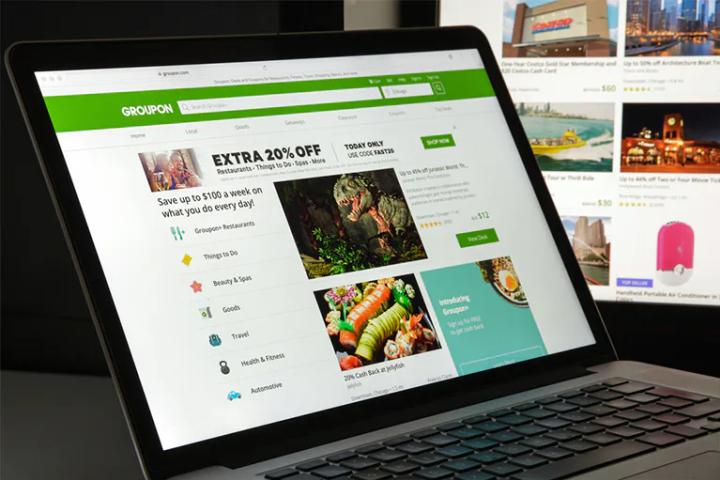
The digital commerce industry has changed the way customers discover products, services, discounts, and exclusive offers. Modern consumers no longer wait for seasonal sales or visit physical stores to find the best deals. Instead, they actively search online for coupons, limited-time discounts, cashback offers, and location-based promotions that help them save money while enjoying premium services. This shift in consumer behavior has created enormous opportunities for businesses to launch deal-based platforms that connect merchants with potential customers in real time.
Over the years, discount marketplace platforms have proven to be highly successful because they create value for both consumers and businesses. Customers get access to attractive offers, while merchants gain visibility, customer traffic, and increased sales. As this market continues to grow, startups and enterprises are looking for scalable solutions that allow them to launch their own deal marketplace quickly and efficiently.
Developing such a platform from scratch can be a complex process involving advanced backend architecture, user management systems, payment gateways, merchant dashboards, coupon engines, geolocation services, and analytics tools. This is why clone-based development has become one of the most preferred approaches for businesses entering the online deals market.
A clone-based solution provides a strong technological foundation that can be customized according to business requirements, branding goals, and market needs. It reduces development time, lowers technical risk, and helps businesses launch faster while maintaining complete flexibility for future growth.
The Growing Demand for Deal and Coupon Platforms
Today’s customers are more price-conscious than ever before. Whether booking a spa appointment, ordering food, joining a fitness class, purchasing fashion products, or planning a weekend trip, users actively search for deals before making purchasing decisions.
This growing demand has transformed coupon and deal platforms into powerful digital ecosystems. Businesses across industries including hospitality, healthcare, beauty, travel, entertainment, and retail are using promotional marketplaces to attract new customers and increase repeat purchases.
Mobile devices have further accelerated this trend. Customers now receive instant notifications about nearby discounts, flash sales, and personalized offers directly on their smartphones. This convenience has made deal-based applications an essential part of modern digital commerce.
For entrepreneurs, this creates a profitable business opportunity. By launching a dedicated deal marketplace, businesses can build a loyal customer base, partner with merchants, and generate multiple revenue streams.
Why Clone-Based Development Makes Business Sense
Creating a sophisticated coupon platform from the ground up requires months of development, extensive testing, infrastructure setup, and continuous optimization. Businesses must build systems for customer registration, merchant onboarding, coupon generation, inventory tracking, payment processing, location services, analytics, and customer engagement.
This process often demands significant investment in both time and resources.
Clone-based development simplifies this journey by offering a ready-made architecture built on proven business models. Instead of spending months developing basic features, businesses can focus on customization, branding, market expansion, and user acquisition.
This approach allows entrepreneurs to launch faster while maintaining the flexibility to add unique functionalities based on their target audience and industry requirements.
More importantly, clone solutions reduce technical uncertainty because the core functionality has already been tested in real-world environments.
Essential Features of a Modern Deal Marketplace
A successful deal platform must deliver a seamless experience for customers, merchants, and administrators. Every interaction should feel intuitive, engaging, and reliable.
Users should be able to register quickly, create personalized profiles, browse deals based on categories, search by location, and receive recommendations tailored to their interests. An intuitive user interface encourages longer engagement and repeat visits.
Location-based search functionality adds tremendous value by allowing users to discover nearby offers, restaurants, salons, gyms, and entertainment experiences.
Merchants also need dedicated dashboards where they can create campaigns, manage inventory, monitor coupon redemptions, track customer engagement, and analyze sales performance.
Secure payment integration is equally important. Customers should be able to purchase deals instantly using multiple payment methods while enjoying a safe and smooth checkout experience.
Push notifications and personalized alerts help businesses re-engage users with limited-time offers, special discounts, and exclusive promotions.
Advanced analytics provide valuable insights into customer behavior, helping businesses optimize campaigns and improve conversion rates.
Business Models Behind Deal Platforms
One of the reasons deal marketplaces are so attractive is their ability to generate revenue from multiple channels. Businesses are not dependent on a single monetization strategy.
Commission-based models are highly common, where the platform earns a percentage from every transaction completed through the app. This creates scalable revenue as merchant partnerships grow.
Featured listings offer merchants premium visibility in exchange for promotional fees. Businesses willing to appear at the top of search results often invest in sponsored placements.
Subscription plans can also be introduced for merchants who want access to advanced analytics, promotional tools, and customer insights.
Advertising partnerships create another source of income, allowing brands to promote products and services directly to highly targeted audiences.
Some platforms even implement loyalty programs and premium memberships for customers, unlocking exclusive deals and personalized rewards.
These monetization opportunities make deal platforms highly sustainable and profitable in the long term.
Technology Behind Modern Deal Applications
Building a scalable deal marketplace requires a strong technology stack capable of handling high user activity, merchant transactions, real-time notifications, and secure payment processing.
Frontend frameworks ensure smooth user experiences across web and mobile platforms. Responsive design allows customers to browse offers seamlessly across devices.
Backend systems manage user data, coupon generation, merchant operations, payment transactions, analytics, and notifications efficiently.
Cloud infrastructure ensures scalability, allowing the platform to handle increasing traffic as the business grows.
API integrations connect essential services such as payment gateways, maps, geolocation systems, SMS verification, email notifications, and CRM platforms.
Artificial intelligence can further enhance personalization by analyzing user behavior and recommending relevant deals based on browsing history, purchase patterns, and location.
This combination of technologies creates a high-performing platform capable of delivering exceptional user experiences.
Why Groupon Clone App Development Is a Powerful Investment
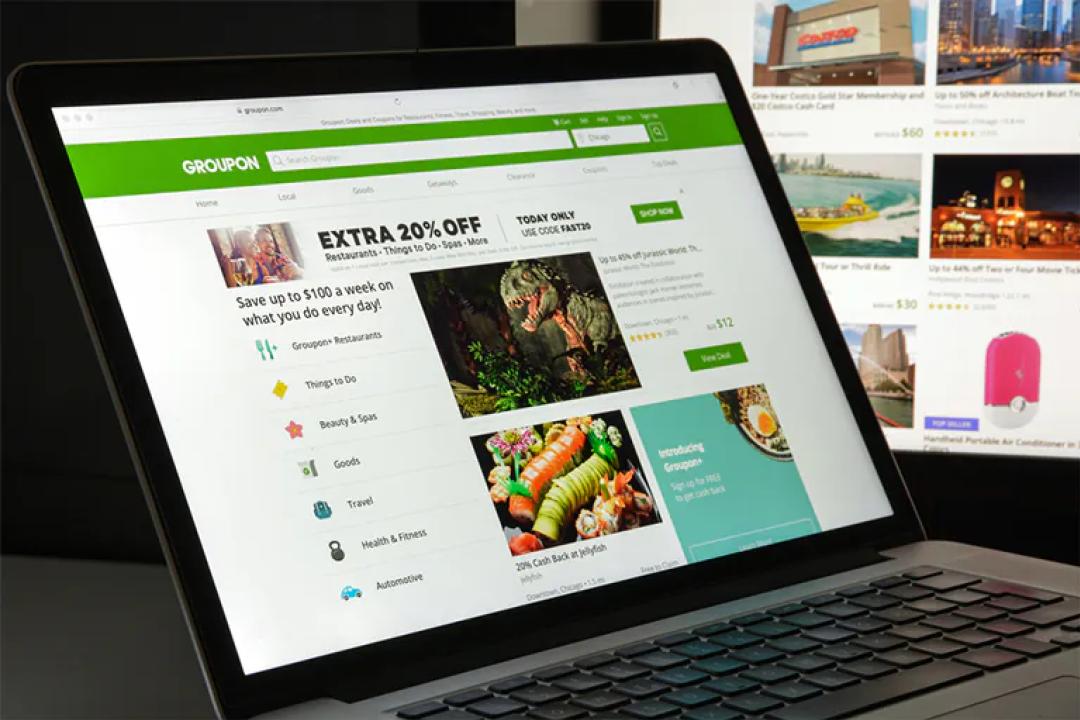
As digital commerce continues evolving, Groupon Clone App Development has become one of the most effective solutions for entrepreneurs and enterprises looking to enter the discount marketplace industry. It provides businesses with a ready foundation for building a scalable ecosystem where customers can discover attractive deals while merchants expand their reach.
With customizable features, businesses can create niche-specific platforms focused on food delivery, beauty services, healthcare, fitness memberships, local events, travel packages, educational programs, or retail promotions.
This flexibility allows companies to target specific audiences and build stronger customer loyalty.
By leveraging clone-based architecture, businesses can significantly reduce development costs while launching feature-rich applications that compete with established players in the market.
More importantly, full ownership of branding, customer data, and monetization strategies ensures long-term business independence and scalability.
Security and Scalability Considerations
As the platform grows, security becomes increasingly important. Customer payment information, merchant transactions, and sensitive business data must be protected through advanced security protocols.
Secure authentication systems, encrypted transactions, fraud detection mechanisms, and regular system updates help maintain platform integrity.
Scalable cloud infrastructure ensures the platform can handle thousands of concurrent users, merchant campaigns, and real-time notifications without performance issues.
Load balancing and automated resource allocation help maintain smooth performance during high-traffic promotional campaigns.
These technical foundations are essential for building customer trust and supporting sustainable business growth.
Future Trends in Deal Marketplace Platforms
The future of deal applications is becoming increasingly intelligent and personalized. Artificial intelligence is improving offer recommendations, customer segmentation, and predictive marketing.
Location-based targeting is becoming more accurate, allowing businesses to deliver highly relevant offers based on real-time user movement.
Social commerce integration is creating new opportunities where users can share deals directly through social networks and invite friends for group discounts.
Gamification elements such as reward points, referral bonuses, achievement badges, and loyalty programs are increasing user engagement and retention.
Voice search, chatbot support, and smart automation are also shaping the next generation of deal marketplaces.
Businesses that adopt these innovations early will gain a strong competitive advantage.
Conclusion
The online deals industry continues to create exciting opportunities for startups, enterprises, and local businesses. Consumers actively seek discounts, exclusive offers, and convenient digital experiences, making deal platforms more relevant than ever before.
Launching a customized deal marketplace allows businesses to connect merchants with customers, generate multiple revenue streams, and build long-term digital value.
With the right strategy, modern technology, and scalable infrastructure, clone-based solutions provide the fastest and most efficient path to market success.
Investing in a professionally built deal marketplace today can position your business as a powerful player in the rapidly growing digital commerce ecosystem.