
Advanced technologies are being increasingly adopted by the health and fitness industry to provide improved data security, transparency, and user trust. Since the handling of sensitive personal data, workout records, payments, and health insights characterizes the activity in fitness applications, data integrity has to be the top concern. That is where blockchain technology is emerging as a game changer.
It talks about various aspects, such as the benefits of the integration of blockchain in health and fitness apps, the impact of blockchain in the fitness industry, real-world use cases, and how businesses can leverage blockchain-powered solutions to their benefit for long-term success.
Understanding Blockchain in the Fitness Industry
Blockchain in the Fitness Industry is a means through which data is stored using a blockchain network to effectively verify and secure fitness industry-related information. This is different from a conventional database in that a blockchain stores information in a series of “blocks,” which cannot be altered without a consensus on a network.
In the context of fitness mobile apps, this would result in an improvement of data accuracy and security, as well as an increase in transparency, which is a factor why the implementation of Blockchain for Fitness is on the rise.
Why Blockchain Matters for Health and Fitness Apps
Contemporary fitness apps handle immensely personal and sensitive information such as workout history, personal characteristics, and transactions. With a central system, there are always chances of hacking and tampering. Blockchain Technology removes such threats as it allows the information to be stored on a secure network.
A professional company developing health and fitness apps can make use of blockchain technology to design trust-oriented and future-ready apps.
Key Benefits of Blockchain for Fitness Apps
1. Enhanced Data Security and Privacy
The biggest Advantage of Blockchain in Fitness Apps is its superior data security features. Data in Fitness Apps is encrypted and stored in decentralized nodes of Blockchain to prevent unauthorized entry.
This builds the users’ confidence as well as ensures their sensitive health information remains secure—it’s a crucial benefit for all firms that develop fitness applications.
2. Improved Transparency and Trust
With Blockchain, every transaction and any update in the data become visible and verifiable. A user can follow how their data is used, shared, or accessed.
This transparency explains the Impact of Blockchain in Fitness Industry, which develops trust between users, fitness providers, and app owners.
3. Immutable Fitness and Health Records
Data, once recorded on the blockchain, cannot be changed or deleted. The history of workouts, reports of progress, and achievements remain accurate and tamper-proof.
This ensures improved data reliability, as blockchain applies, and supports long-term tracking for fitness-a very capable tool in Blockchain for Fitness applications.
4. Secure Payment and Subscription Management
Most fitness apps generate revenue through subscriptions, in-app purchases, and commissions paid to trainers. Blockchain allows for secure, trackable, and fraud-resistant transactions via smart contracts.
With blockchain, a reliable fitness app development company may provide automation of billing, reduce disputes, and enhance payment transparency.
5. Decentralized Data Ownership for Users
Blockchain gives users ownership of their fitness data rather than storing it solely on company servers. Users can choose when and how to share their information with trainers, gyms, or healthcare providers.
This user-centric approach reflects the growing Impact of Blockchain in Fitness Industry on data empowerment.
6. Fraud Prevention and Data Authenticity
Faked activity data, fraudulent workout reports, and reward scams are some common issues found in fitness-related applications. It helps verify the authenticity of data at each level.
This feature is extremely helpful in reward systems and gamified fitness services that are created through custom fitness app development.
7. Smart Contracts for Automation
Smart contracts allow automation in several processes, such as membership renewal, paying trainers, and reward distribution. The contracts execute only under conditions that have been set.
Intelligent automation enhances operational effectiveness and increases the total fitness app development Solution.
8. Interoperability Across Fitness Platforms
Blockchain enables seamless data exchange between different fitness apps, wearables, and health platforms. Users can maintain a unified fitness record across multiple services without duplication.
9. Tokenization and Incentive-Based Fitness Models
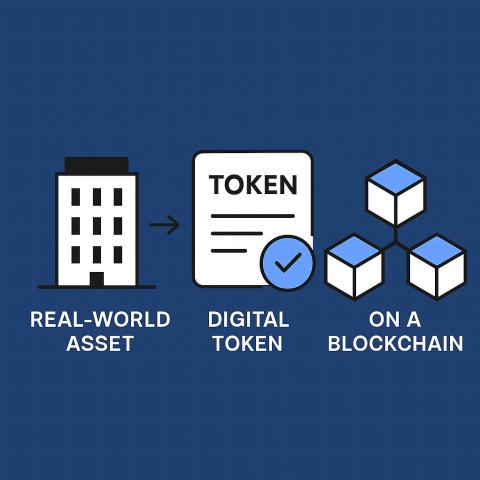
Blockchain allows the creation of token-based reward systems where users earn digital tokens for workouts, challenges, or milestones. These tokens can be redeemed for rewards or services.
10. Regulatory Compliance and Auditability
Blockchain maintains transparent records that simplify compliance with data protection and health regulations. Audit trails are easily accessible and verifiable.
Role of Professional Development Services
Blockchain integration requires specialized expertise. A skilled fitness application development company ensures secure architecture, seamless integration, and optimized performance.
With professional fitness app development services, businesses can implement blockchain without compromising usability or scalability.
Future of Blockchain in Fitness Apps
The future of Blockchain for Fitness lies in decentralized wellness ecosystems where users control their data, earn rewards transparently, and interact securely across platforms. As trust and data privacy become central to digital fitness, blockchain adoption will continue to grow.
Businesses investing in blockchain-powered fitness app development Solution today will gain a strong competitive edge tomorrow.
Conclusion
The Benefits of Blockchain Integration in Health and Fitness Apps are numerous and extend well beyond the realm of security. The uses of blockchain technology in health and fitness apps range from transparency to fraud protection, empowerment to automation.
With the ever-increasing Impact of Blockchain in the Fitness Industry, the best way to ensure this is by collaborating with a trustworthy health and fitness app development company and opting for custom fitness app development.