
Artificial Intelligence has become one of the most influential technologies in modern education. From personalized tutoring to instant homework assistance, AI-powered learning platforms are changing how students study, solve problems, and improve academic performance. As educational institutions continue to embrace digital transformation, students are increasingly turning to AI homework helpers to gain better understanding of complex subjects and complete assignments more efficiently.
The rise of AI-driven educational tools is not simply a trend. It represents a significant shift in the way learning resources are accessed and utilized. Students no longer need to wait for tutoring sessions or spend hours searching through textbooks to find answers. Instead, advanced AI systems can provide explanations, examples, and step-by-step guidance within seconds.
The Growing Demand for AI-Powered Learning Tools
Today's students face greater academic pressure than ever before. They are expected to master multiple subjects, manage extracurricular activities, and prepare for competitive examinations. Traditional study methods remain valuable, but they are often supplemented by technology-driven solutions that provide instant support.
AI homework assistants have emerged as practical learning companions because they are available 24/7. Whether a student needs help with algebra, chemistry, literature, economics, or computer science, AI tools can provide immediate assistance. This accessibility has made AI one of the fastest-growing sectors within educational technology.
Many students appreciate the convenience of being able to upload a question, receive an explanation, and continue studying without interruptions. Rather than replacing teachers, AI tools are increasingly functioning as supplementary learning resources that enhance educational outcomes.
How AI Homework Helpers Work
Modern AI homework platforms use sophisticated machine learning models and natural language processing technologies. These systems can understand questions, analyze educational content, and generate detailed responses tailored to student needs.
Most AI learning tools follow a simple workflow:
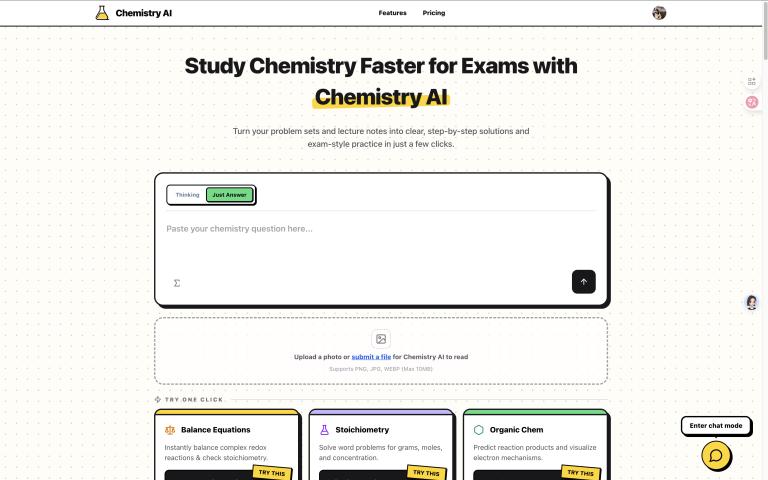
Students upload or type a question.
The AI analyzes the problem.
A detailed solution is generated.
Additional explanations are provided.
Follow-up questions can be answered instantly.
Some platforms also incorporate image recognition capabilities, allowing students to take photographs of handwritten or printed homework questions. This feature makes learning more convenient and accessible across different educational levels.
Benefits of AI Homework Assistance
1. Instant Academic Support
One of the biggest advantages of AI homework helpers is their availability. Students can access assistance anytime, regardless of their location or schedule. This on-demand support helps learners overcome obstacles without waiting for classroom instruction.
2. Personalized Learning Experiences
AI systems can adapt explanations based on student needs. Different learners require different approaches, and AI tools can present information in multiple formats to improve understanding.
3. Improved Conceptual Understanding
The most effective AI educational platforms focus on teaching rather than simply providing answers. By offering step-by-step solutions, students gain insight into the reasoning process behind each problem.
4. Multi-Subject Coverage
Unlike traditional tutoring services that may specialize in specific subjects, AI learning assistants often support a wide range of academic disciplines. This versatility makes them valuable resources for students pursuing diverse educational goals.
5. Increased Learning Efficiency
Students can spend less time searching for resources and more time focusing on actual learning. AI-powered explanations help streamline the study process while maintaining educational value.
AI and the Future of Education
Educational technology continues to evolve rapidly. AI is expected to play an even larger role in classrooms, online learning environments, and independent study programs. Future developments may include advanced personalization, predictive learning analytics, and enhanced interactive tutoring experiences.
Schools and universities are increasingly exploring ways to integrate AI responsibly into educational systems. The goal is not to replace educators but to provide additional resources that support student success.
As AI capabilities improve, students may benefit from more accurate feedback, customized study plans, and intelligent learning recommendations tailored to their strengths and weaknesses.
Challenges and Considerations
While AI homework helpers offer numerous advantages, they also present important challenges that students and educators must consider.
Academic Integrity
One of the primary concerns surrounding AI educational tools is academic honesty. Students should use AI to enhance understanding rather than bypass learning processes. Responsible usage ensures that educational objectives remain intact.
Accuracy of Information
Although AI systems are becoming increasingly sophisticated, they are not perfect. Students should verify important information and cross-reference AI-generated content with reliable educational sources.
Critical Thinking Skills
Learning requires more than obtaining answers. Students should engage actively with explanations, evaluate information critically, and apply concepts independently. AI should support thinking rather than replace it.
Dependence on Technology
Overreliance on AI tools can potentially limit the development of independent problem-solving abilities. Maintaining a balance between technological assistance and traditional study methods remains essential.
Best Practices for Students Using AI Learning Tools
To maximize educational benefits, students should follow several best practices when using AI homework assistants.
Focus on Learning
The primary objective should always be understanding concepts rather than simply completing assignments. Students should review explanations carefully and attempt problems independently whenever possible.
Ask Follow-Up Questions
AI platforms become more valuable when students engage in interactive learning. Asking clarifying questions helps deepen understanding and reinforces knowledge retention.
Verify Important Information
Students should compare AI-generated responses with textbooks, classroom materials, and instructor guidance to ensure accuracy.
Use AI as a Supplement
AI works best when combined with traditional educational resources. Teachers, textbooks, practice exercises, and classroom discussions remain essential components of effective learning.
Why Students Are Embracing AI in 2026
Several factors contribute to the increasing popularity of AI-powered educational tools. Convenience, accessibility, affordability, and improved technology have all accelerated adoption rates among students worldwide.
Unlike traditional tutoring, which may involve scheduling conflicts and significant costs, AI solutions provide immediate support at a fraction of the expense. This accessibility makes quality educational assistance available to a broader range of learners.
Additionally, modern students are comfortable using digital technologies. As a result, AI learning platforms align naturally with existing study habits and educational preferences.
The Role of Teachers in an AI-Enhanced Learning Environment
Educators continue to play an irreplaceable role in student development. While AI can explain concepts and answer questions, teachers provide mentorship, motivation, critical thinking guidance, and human interaction that technology cannot fully replicate.
The future of education will likely involve collaboration between human educators and intelligent technologies. Teachers can leverage AI tools to create more personalized learning experiences while focusing on higher-level instruction and student engagement.
Rather than viewing AI as a threat, many educators are exploring ways to incorporate these tools into modern teaching strategies.
Conclusion
Artificial Intelligence is transforming education by providing students with immediate access to knowledge, personalized assistance, and flexible learning opportunities. AI homework helpers are becoming valuable educational companions that support academic success across multiple subjects.
When used responsibly, these tools can improve understanding, increase study efficiency, and help students overcome learning challenges. However, maintaining a balance between technological assistance and independent thinking remains crucial.
As educational technology continues to evolve, AI will likely become an increasingly important part of the learning experience. Students who learn to use these tools effectively will be better positioned to succeed in an increasingly digital academic environment.
For readers interested in exploring how modern AI homework platforms are reshaping education, the original article on Goth AI provides additional insights into the latest developments in AI-powered student learning and academic support.