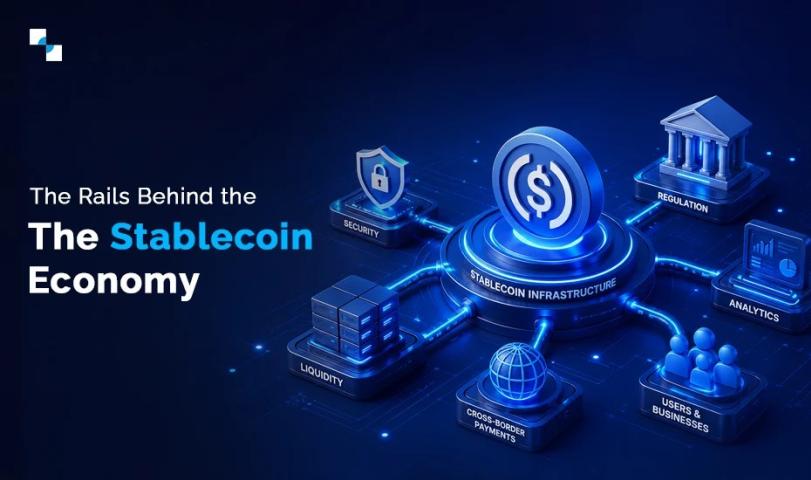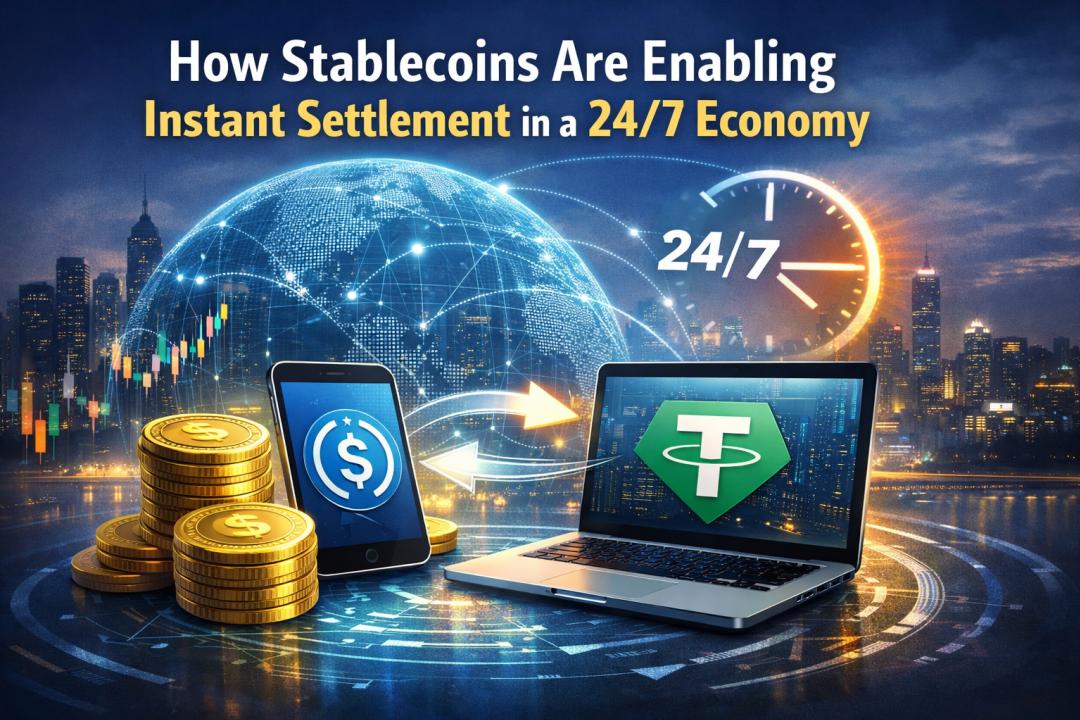
The modern economy no longer operates within traditional business hours. Digital commerce, cross-border transactions, decentralized finance, online marketplaces, and global supply chains function continuously across multiple time zones. Yet, despite this constant activity, many financial settlement systems still rely on legacy infrastructure that follows banking schedules, clearing windows, and regional operating hours. This disconnect creates inefficiencies that affect businesses, consumers, and financial institutions alike.
Stablecoins have emerged as a practical solution to this challenge. By combining blockchain-based transaction infrastructure with price stability mechanisms, stablecoins enable value transfer and settlement at any time of the day, regardless of geographic location or banking availability. As organizations increasingly seek faster and more efficient payment systems, stablecoins are becoming a critical component of the digital financial ecosystem.
The Settlement Problem in Traditional Financial Systems
Settlement represents the final transfer of funds between parties after a transaction is initiated. In conventional financial systems, settlement can take hours or even several days depending on the payment rail, intermediary institutions, and jurisdiction involved.
Traditional settlement processes often involve multiple layers of verification, reconciliation, clearing houses, correspondent banks, and regulatory checks. While these mechanisms provide security and compliance, they also introduce operational delays and increase transaction costs.
Some of the most common challenges include:
- Banking systems that operate only during designated business hours.
- Delays caused by weekends and public holidays.
- Cross-border payment dependencies on correspondent banking networks.
- Liquidity constraints during settlement waiting periods.
- Higher operational expenses associated with intermediary involvement.
These limitations become increasingly problematic in a global economy where businesses expect transactions to move as quickly as information.
Why Stablecoins Are Well-Suited for Real-Time Settlement
Stablecoins are digital assets designed to maintain a relatively stable value by being linked to reserve assets such as fiat currencies or other financial instruments. Unlike highly volatile cryptocurrencies, stablecoins offer predictability, making them suitable for payment and settlement activities.
The underlying blockchain infrastructure enables transactions to be validated and recorded continuously. This removes dependence on traditional clearing schedules and creates a settlement environment that operates around the clock.
Several characteristics make stablecoins particularly effective for instant settlement:
- Near real-time transaction finality on supported blockchain networks.
- Continuous availability without restrictions related to banking hours.
- Reduced reliance on intermediaries during transaction processing.
- Enhanced transparency through immutable ledger records.
- Improved liquidity management for businesses and institutions.
These features allow organizations to move capital more efficiently while reducing friction throughout the payment lifecycle.
The Rise of a True 24/7 Financial Environment
The concept of a 24/7 economy extends beyond online shopping and digital entertainment. Modern enterprises increasingly engage in activities that require uninterrupted financial operations. Global e-commerce platforms process orders continuously, digital asset markets operate without closure, and international businesses coordinate activities across numerous time zones.
Stablecoins support this always-on environment by providing a settlement mechanism that aligns with modern digital expectations. Instead of waiting for banking windows to open, businesses can complete transactions immediately, improving operational responsiveness and customer experience.
For example, a company purchasing inventory from an overseas supplier can settle payments instantly rather than waiting several business days for international wire transfers to clear. Similarly, freelancers, remote workers, and service providers can receive compensation without delays caused by banking schedules.
As digital ecosystems continue expanding, the demand for uninterrupted settlement infrastructure is expected to grow substantially.
Industry Applications Driving Stablecoin Adoption
The practical utility of stablecoins extends across multiple sectors. Organizations are increasingly exploring blockchain-powered settlement frameworks to improve efficiency and reduce transaction friction.
Cross-border payments remain one of the most significant use cases. Traditional international transfers often involve multiple intermediaries, each adding costs and processing delays. Stablecoins streamline this process by facilitating direct value exchange across borders.
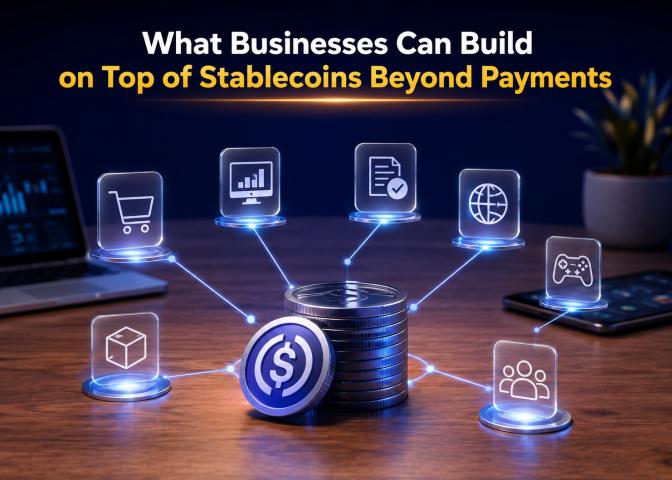
Additional applications include:
- Treasury and liquidity management.
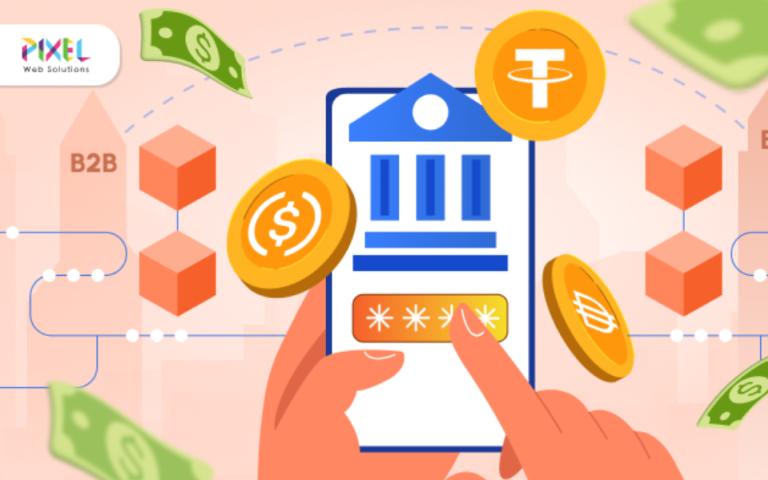
- Business-to-business settlement networks.
- Supply chain payment automation.
- Payroll distribution for global workforces.
- Merchant payment processing.
- Digital asset exchange settlement.
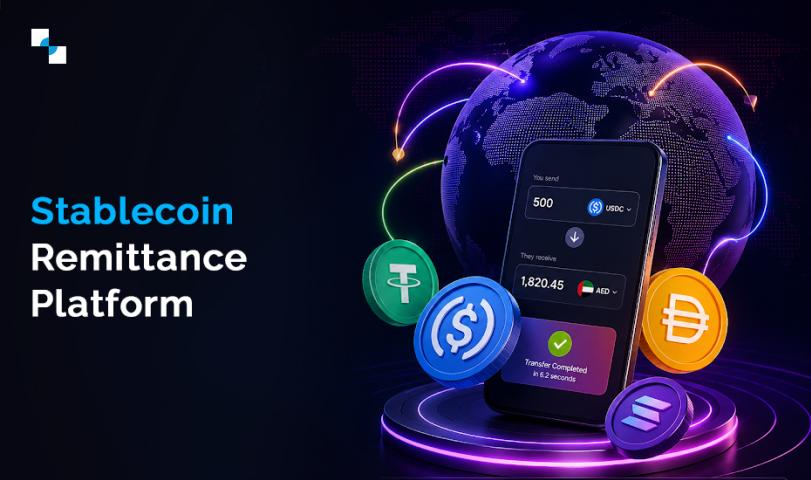
- Remittance services.
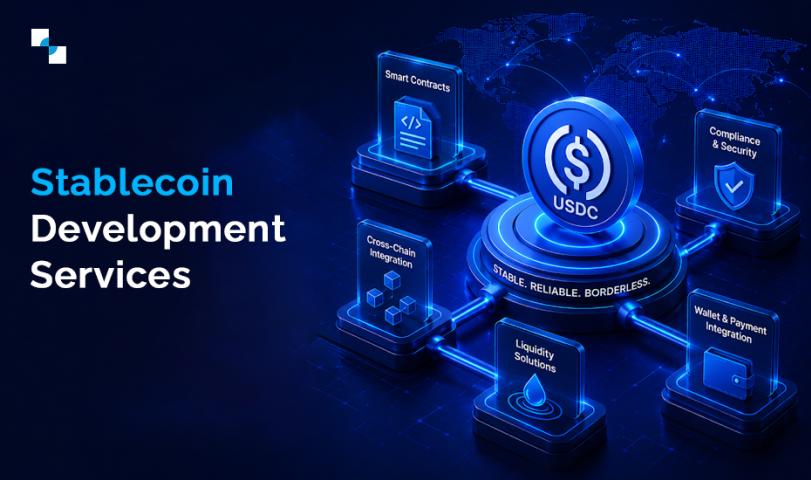
As adoption expands, demand for specialized technical expertise is increasing. Organizations seeking customized blockchain payment infrastructure frequently collaborate with providers offering stablecoin development Services to build secure, compliant, and scalable settlement solutions tailored to their operational requirements.
These implementations are helping enterprises modernize payment architecture while supporting greater transaction efficiency.
Challenges and the Future of Instant Stablecoin Settlement
Although stablecoins offer significant advantages, several challenges must still be addressed before large-scale adoption becomes universal. Regulatory frameworks continue evolving as governments and financial authorities seek to balance innovation with consumer protection and financial stability.
Reserve transparency remains a critical factor influencing trust. Market participants increasingly expect clear disclosure regarding reserve composition, redemption mechanisms, and governance structures. Additionally, interoperability between blockchain networks remains an important area of development, as fragmented ecosystems can limit seamless value transfer.
Infrastructure scalability also plays a major role. As transaction volumes increase, blockchain networks must maintain performance, security, and reliability without sacrificing settlement speed.
Despite these considerations, the long-term outlook remains highly favorable. Financial institutions, fintech companies, payment providers, and enterprise organizations are actively investing in blockchain-based settlement infrastructure. Many view stablecoins as a bridge between traditional finance and emerging digital financial systems.
The future may involve hybrid financial environments where conventional banking networks and blockchain-powered settlement systems coexist, each serving different operational requirements. In such a model, stablecoins could become a foundational layer supporting real-time payments, programmable finance, and global liquidity movement.
Conclusion
The transition toward a continuously operating digital economy is creating new expectations for payment speed, accessibility, and efficiency. Traditional settlement mechanisms, while reliable, often struggle to meet the demands of modern global commerce. Stablecoins address this gap by enabling value transfer and settlement without the constraints of banking hours, geographic boundaries, or lengthy clearing processes.
By delivering near-instant transaction finality, enhanced transparency, and improved liquidity efficiency, stablecoins are reshaping how businesses move capital in an increasingly interconnected world. As regulatory clarity improves and technological infrastructure matures, stablecoin-powered settlement networks are likely to play a central role in the evolution of financial services.
Rather than representing a temporary trend, stablecoins are emerging as a practical financial innovation capable of supporting the operational requirements of a true 24/7 economy.