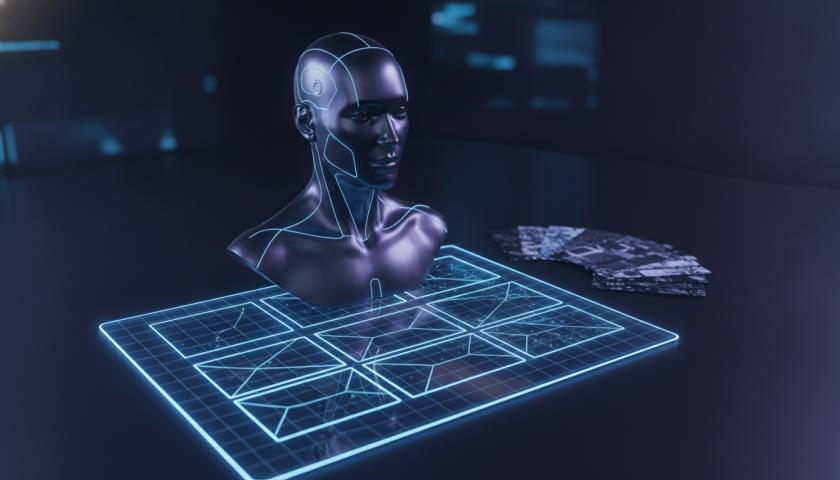
There is something different about a 3D object.
A photo can capture a memory. An AI image can re>
You can rotate it. View it from behind. Place it in a digital scene. Print it. Put it on a desk. Use it as a character, avatar, gift, mascot, or collectible.
That is why the idea of creating a custom 3D figurine from a photo feels more interesting than another image filter.
It turns a flat memory into an object.
The difference between a toy->
Many AI trends around “figurines” are still image-based.
You upload a portrait, and the AI returns a cute toy-like render. It may look like a PVC collectible. It may be perfect for social media. But it is still a flat image.
You cannot rotate it.
You cannot inspect the back.
You cannot open it in Blender.
You cannot send it to a 3D printer.
You cannot use it inside a game engine.
A real custom 3D figurine from photo should produce a mesh file. That means formats like GLB, OBJ, FBX, or STL.
This is the important difference.
A figurine->A real 3D figurine model is usable.
Why people want photo-to-figurine tools
The appeal is easy to understand.
People want personal objects.
A mini version of a child.
A chibi->A pet wearing a scarf.
A desk collectible of a team mascot.
A stylized avatar for a game or social profile.
A toy-like version of an original character.
A small prototype before commissioning a professional sculptor.
These are not abstract 3D assets. They are emotional objects.
They sit between memory, identity, and play.
That is why this category has potential beyond technical users. It can appeal to parents, pet owners, couples, creators, streamers, small brands, 3D printing hobbyists, and indie designers.
The photo is the starting material
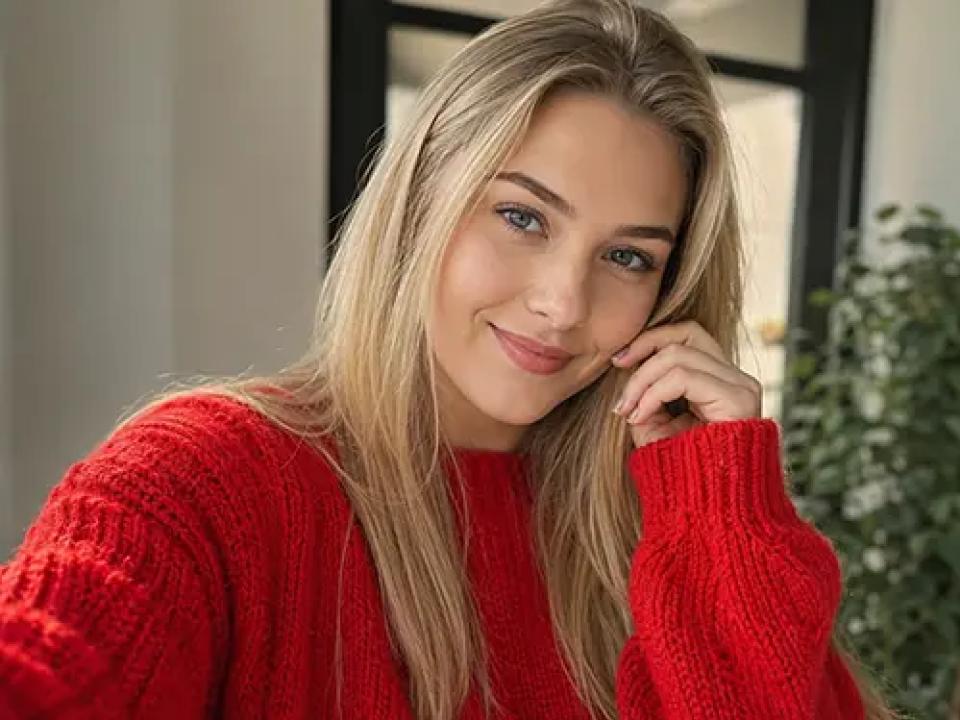
The quality of the input photo matters a lot.
AI can infer missing shape, but it cannot truly see what is hidden. If a hand is cropped out, the AI has to guess. If a dog’s tail is hidden behind a chair, the AI invents it. If the background is noisy, it may confuse the subject with the environment.
The best photos usually have one clear subject, simple background, even lighting, and visible body shape.
For a person, the face, hair, clothing, pose, shoes, and accessories should be readable.
For a pet, the head, body, ears, paws, tail, and any clothing or collar should be visible.
This sounds basic, but it has a major effect on the result. In AI 3D generation, the photo is not just a reference. It is the source material.
Why >
A custom 3D figurine does not have to be perfectly realistic.
In many cases, stylization makes it better.
A chibi figure can make a person or pet feel cute and collectible. Larger heads and simplified proportions can also be easier to read when printed at a small size.
A realistic collectible >
An anime->
The right >
A wedding cake topper does not need forensic accuracy.
A desk mascot needs personality.
A game prototype needs a usable base.
A 3D printed gift needs strong shapes and printable details.
The model still needs a destination
One of the biggest mistakes in AI 3D workflows is stopping at the preview.
A 3D model should be judged by what you want to do with it next.
For web preview, GLB is often a good choice.
For editing, OBJ can be flexible.
For game pipelines, FBX may be useful.
For 3D printing, STL is usually the common format, although it does not preserve color texture.
This is why the export step matters. A cute figurine preview is not enough if the file cannot move into the next workflow.
If the final goal is printing, the model should be checked in a slicer. Thin details may need thickening. The figure may need a base. Overhangs may require supports. Glasses, fingers, hair, tails, and straps may be fragile.
If the final goal is digital use, the model may need texture checks, polygon optimization, UV review, and format conversion.
AI can generate the first version, but the final use case still decides the standard.
A more accessible 3D workflow
What makes this trend interesting is not that AI can create a perfect figurine from one photo. It cannot always do that.
The interesting part is that it makes the first step easier.
Before, creating a personal 3D figurine usually required a sculptor, a 3D artist, a scanning setup, or a lot of Blender practice.
Now, someone can start with a normal photo, generate a stylized 3D model, preview it, export it, and decide whether to refine, print, or share it.
That changes the creative threshold.
It does not replace artists. It gives more people a starting point.
Final thoughts
The future of AI-generated keepsakes may not be limited to images.
As photo-to-3D tools improve, more personal memories will become objects: printable figures, digital avatars, collectible characters, AR mascots, and game-ready starting assets.
A custom 3D figurine from photo is not just a novelty. It is a small example of a bigger shift from flat content to usable 3D assets.
The best way to think about it is simple:
AI gives you the first draft.
The photo gives it identity.
The export format gives it a future.